5 Fabrics That Don’t Shrink and Stay Size-Safe
If you’ve ever pulled your favorite shirt from the wash only to find it’s suddenly too small, you’re not alone. Many people struggle with fabric shrinkage, which can ruin wardrobe staples and lead to constant replacements. That’s why knowing which fabrics don’t shrink and stay size-safe is a game changer for anyone who wants their clothes to last.
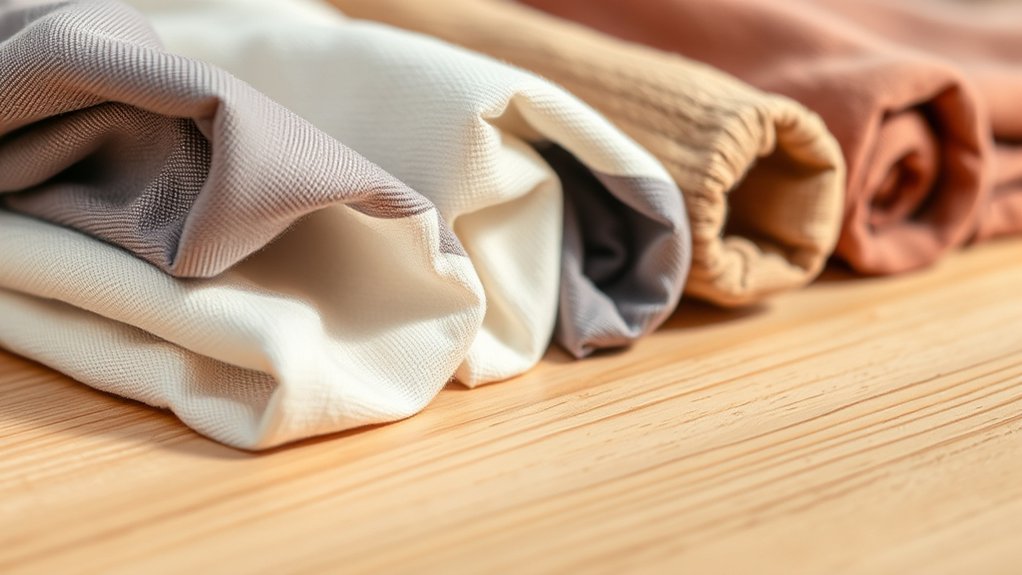
To avoid shrinkage, choose fabrics made from long, tightly spun fibers like pre-shrunk cotton or wool, which resist changing size. Synthetic fabrics such as polyester hold their shape well thanks to heat-set fibers. Linen’s natural fiber structure also prevents shrinkage, while blended fabrics combine the best of both worlds for durability and size stability.
Stick to cold washes and proper care for the best results. Keep exploring to find out how these fabrics work and how to pick the right ones for you.
Key Takeaways
- Polyester and nylon fabrics are heat-set during manufacturing, making them highly resistant to shrinking and shape changes.
- Blended fabrics combine natural and synthetic fibers to reduce shrinkage while maintaining comfort and durability.
- Pre-shrunk cotton or wool fabrics undergo treatment to minimize size changes after washing.
- Linen’s long fibers and loose weave naturally resist shrinking and help maintain fabric size.
- Choosing tightly woven fabrics with long fibers and following care instructions helps keep garments size-stable.
Why Do Some Fabrics Shrink Less?
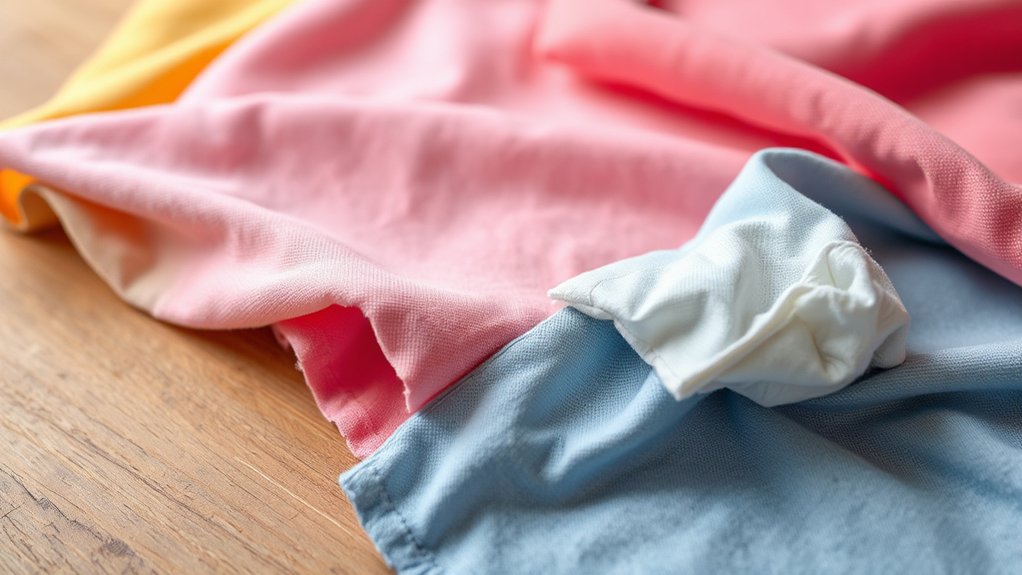
Although many fabrics shrink when washed, some shrink less because of their fiber composition and how they’re woven. When you choose fabrics made from long, tightly spun fibers, you reduce the risk of shrinkage. Natural fibers like cotton or wool tend to shrink more because their fibers swell and relax during washing. However, if the fabric is tightly woven or treated during manufacturing, it resists shrinking better.
To maintain fabric size, you need to practice proper fabric care. Always follow washing instructions, use cold water, and avoid high heat in dryers. These steps are essential for shrink prevention. You can also look for pre-shrunk fabrics, which manufacturers treat to minimize changes after washing. By understanding the link between fiber types, weaving methods, and fabric care, you can keep your clothes fitting well longer. Taking these precautions guarantees you get the most out of your wardrobe without worrying about unwanted shrinkage.
How Synthetic Fabrics Like Polyester Resist Shrinking
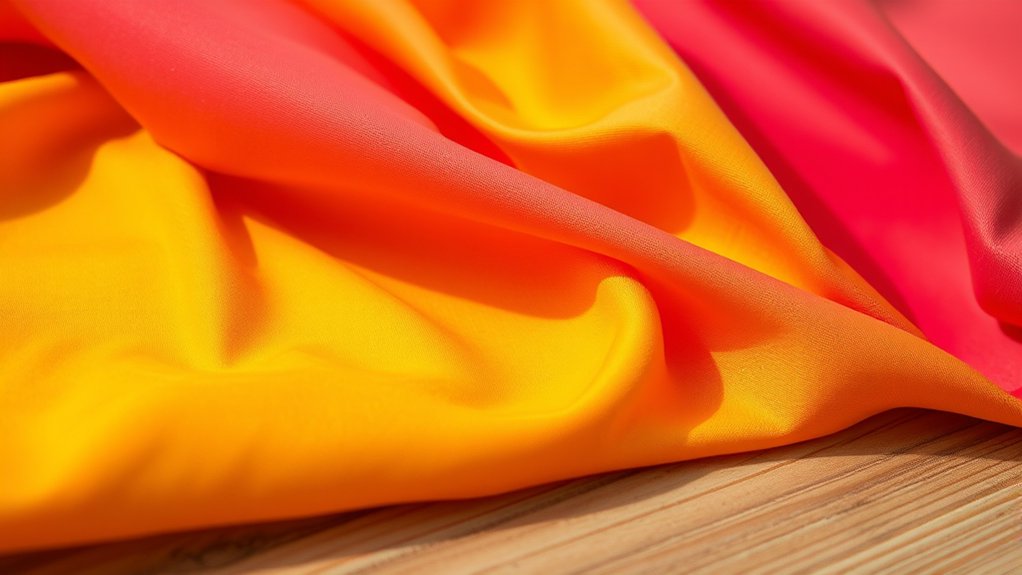
While natural fibers like cotton and wool can shrink due to their structure and how they’re treated, synthetic fabrics such as polyester behave quite differently. Polyester is made from polymers that are heat-set during manufacturing, locking in their shape and size. This process makes polyester highly resistant to shrinking, even after multiple washes.
However, you should still be aware of colorfastness issues. Polyester holds dye well, but harsh detergents or bleach can affect the color. Following proper fabric care tips, like washing in cool water and avoiding high heat drying, helps maintain both size and color.
| Feature | Polyester Characteristics |
|---|---|
| Shrink Resistance | High – heat-set fibers maintain size |
| Colorfastness | Good, but avoid harsh chemicals |
| Fabric Care Tips | Wash cool, tumble dry low or air dry |
How Natural Fibers Like Linen Resist Shrinking
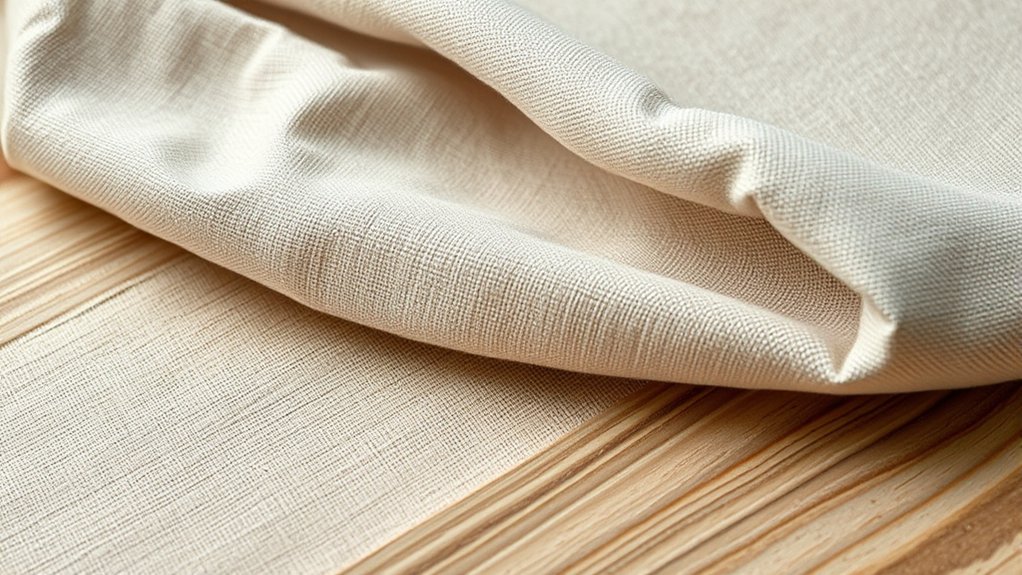
Because linen fibers come from flax plants, they have a unique structure that naturally resists shrinking. When you wear linen, you benefit from its long, strong fibers that don’t easily contract like cotton or wool.
Plus, the fabric weave density plays a key role. Linen is often woven loosely, allowing air to flow and reducing tension that causes shrinkage. You’ll also find that many linen fabrics undergo natural fiber treatments designed to stabilize the fibers further.
These treatments help maintain the fabric’s shape, even after multiple washes. When caring for linen, following recommended washing instructions preserves these benefits, keeping your garments size-safe.
Why Blended Fabrics Are Great for Shrink Resistance
When you choose blended fabrics, you get the best of both worlds, combining the strengths of different fibers to boost shrink resistance. Fabric blending lets manufacturers balance natural fibers, which offer comfort, with synthetic ones that maintain shape and size.
This mix reduces the risk of your clothes shrinking after washing or drying. For example, blending cotton with polyester creates a fabric that’s breathable yet less prone to shrinking. You’ll notice your garments keep their size and fit longer, saving you time and frustration.
Plus, blended fabrics often dry faster and resist wrinkles, adding practical benefits beyond shrink resistance. By opting for blends, you don’t have to sacrifice softness or durability. Instead, you get a reliable fabric that adapts better to everyday wear and care.
How to Choose Shrink-Resistant Fabrics When Shopping
If you want your clothes to last and keep their size, you need to pay close attention to the fabric type when shopping. Look for fabrics known for shrink resistance, like polyester, nylon, or cotton blends treated to minimize shrinkage. Always check the label for fabric care instructions to ensure you can maintain the garment properly without risking size changes. Avoid 100% natural fibers like wool or untreated cotton if shrinkage worries you.
Besides durability, consider the environmental impact of your fabric choice. Opt for materials produced with sustainable practices or recycled fibers, which reduce waste and resource use. By choosing fabrics that resist shrinking and require less intensive care, like cold washes and air drying, you also lower your carbon footprint. Paying attention to these factors helps you pick garments that stay size-safe while supporting eco-friendly fashion. With the right knowledge, you’ll build a wardrobe that’s both practical and responsible.
Frequently Asked Questions
Can Washing Temperature Affect Fabric Shrinkage?
Yes, washing temperature can affect fabric shrinkage. When you use higher temperatures, fibers tend to contract, especially if the fabric composition includes natural fibers like cotton or wool.
Washing frequency also plays a role; frequent hot washes can increase shrinkage over time. To keep your clothes size-safe, you should check the fabric composition and opt for cooler temperatures when washing, reducing the risk of unwanted shrinking and preserving the garment’s fit.
Do Certain Detergents Prevent Fabric Shrinking?
You know what they say, “A stitch in time saves nine.” Certain detergents with special detergent additives can help protect your clothes from shrinking by gently cleaning fibers without harsh chemicals.
Fabric softeners also play a role by relaxing fibers, reducing tension that causes shrinkage. While no detergent can completely prevent shrinking, choosing ones with these additives and pairing them with fabric softeners can definitely keep your clothes size-safe longer.
How Does Fabric Shrinkage Impact Garment Durability?
Fabric shrinkage can weaken your garment’s durability because it reduces fabric elasticity, making the material less flexible and more prone to damage. When fabric shrinks, thread strength often suffers too, causing seams to loosen or break.
This means your clothes won’t hold up as well over time, especially with frequent wear and washing. Taking care to prevent shrinkage helps maintain both elasticity and thread strength, so your garments last longer.
Are There Special Care Tips for Shrink-Resistant Fabrics?
Yes, you do need special care tips for shrink-resistant fabrics. Even with fabric treatment that prevents shrinkage, you should wash them in cold water and avoid high heat when drying.
Pay attention to the fiber composition. Synthetic blends often handle gentle cycles better. Don’t over-dry or use harsh detergents, as they can break down the treatment. Following these steps helps keep your garments size-safe and looking great longer.
Can Ironing Cause Shrinkage in Shrink-Resistant Fabrics?
Ironing rarely causes shrinkage in shrink-resistant fabrics, but you should watch out for ironing effects like fabric deformation. When heat and pressure combine, you might see slight changes in texture or shape, which can feel like shrinking.
To avoid this, use the appropriate temperature setting and avoid prolonged ironing in one spot. If you care for your clothes properly, you’ll keep them looking just right without worrying about unwanted shrinkage or damage.
Conclusion
Now that you know why some fabrics shrink less, you can shop smarter and keep your clothes fitting like they did the day you bought them. No time machines needed! Synthetic fibers like polyester and natural ones like linen are your best friends for size-safe wear.
Blended fabrics add extra durability, making shrinkage a thing of the past. So next time you’re picking out clothes, choose wisely and enjoy garments that stay true to size, wash after wash. Fabrics that don’t shrink help you keep your wardrobe looking fresh and size-safe every time.