Cotton Vs Flannel: 3 Key Differences
Choosing the right fabric for your clothes or bedding can be confusing, especially when deciding between cotton and flannel. If you’ve ever felt overwhelmed by all the options or worried about picking something that won’t keep you comfortable, you’re not alone.
Many people struggle with understanding which material works best for different seasons and uses.
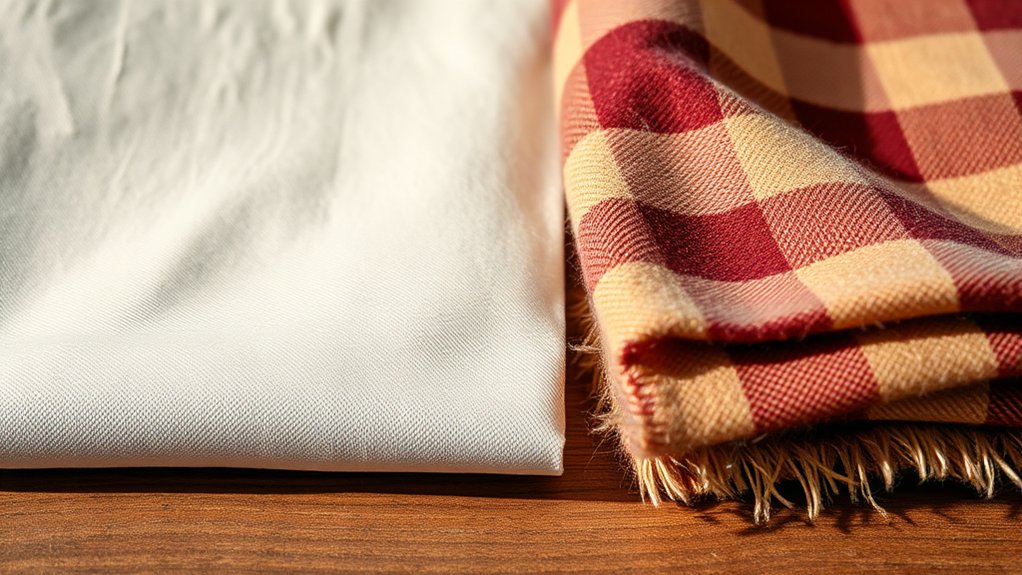
Cotton and flannel differ in three main ways: weave, warmth, and feel. You’ll usually find cotton as a smooth, breathable fiber that stays light and works well year-round.
Flannel is a brushed finish, often made from cotton, that feels softer, heavier, and warmer. That makes cotton better for hot weather and easy care, while flannel shines in cold months and cozy shirts or sheets.
Keep going, and you’ll see how each one fits your needs.
Key Takeaways
- Cotton is a natural fiber; flannel is a brushed fabric finish that can be made from cotton, wool, or synthetics.
- Cotton is more breathable and lighter, while flannel feels thicker, softer, and warmer.
- Flannel traps more air, making it better for cold weather; cotton suits year-round wear.
- Cotton is easier to wash and dries faster. Flannel needs gentler care to preserve texture.
- Cotton shirts and sheets feel crisp and versatile, while flannel versions feel cozy and insulating.
Cotton Vs Flannel: Key Differences
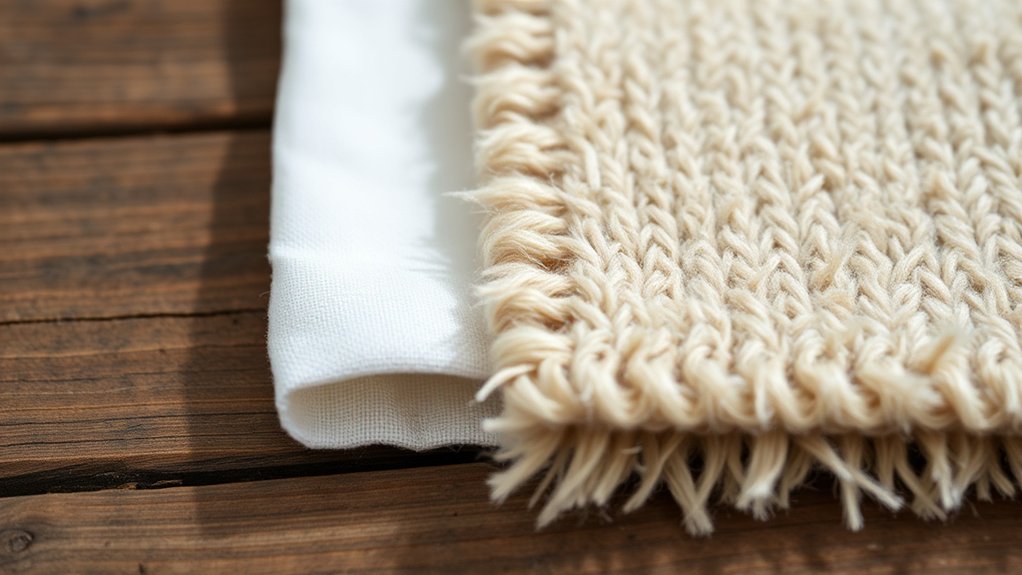
Cotton and flannel often get grouped together, but they’re not the same thing: cotton is a fiber, while flannel is a fabric finish or weave that can be made from cotton, wool, or synthetic blends. You choose cotton when you want a natural fiber that feels simple, versatile, and easy to wear year-round.
You choose flannel when you want a brushed surface that changes how the fabric performs and looks. That means the two differ in structure, appearance, and fabric breathability. Cotton usually lets air pass through more freely, while flannel’s construction can feel less open, depending on the fiber content and weave.
You’ll also notice maintenance differences: cotton often washes easily and dries quickly, while flannel may need a bit more care to preserve its texture and reduce pilling. So, when you compare them, focus on what each fabric is made from and how it’s finished, not just the name.
Which Fabric Is Warmer And Softer?
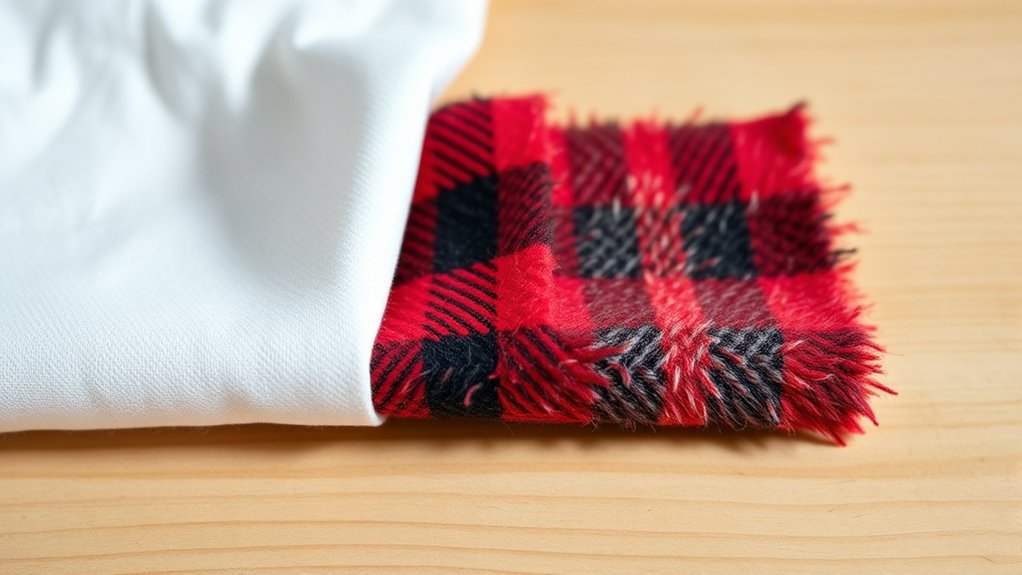
If warmth and softness are your top priorities, flannel usually comes out ahead because its brushed surface traps more air and creates a cozier feel against your skin. You’ll notice that this extra loft makes flannel feel plush and insulating, especially in cooler conditions.
Cotton can still feel soft, but it often feels smoother and lighter rather than fuzzy or cuddly. In a breathability comparison, cotton usually wins because it lets air move more freely, so you may prefer it when you don’t want to feel overheated.
Flannel, though warmer, can hold more heat, which helps you stay comfortable when temperatures drop. For a durability analysis, both fabrics can last well, but tightly woven cotton often resists wear better over time.
Still, brushing can make flannel feel softer sooner, so your choice depends on whether you value cozy warmth or crisp, airy comfort most.
Cotton Vs Flannel For Shirts And Bedding

When you’re choosing fabric for shirts or bedding, cotton and flannel each shine in different ways. For shirts, cotton usually feels lighter, crisper, and more polished, so you can wear it comfortably in warm weather or layer it under jackets. Its breathability helps you stay cool, especially if you run warm during the day. Flannel, by contrast, feels softer and cozier, making it a great choice when you want extra warmth and a relaxed look.
For bedding, cotton sheets work well year-round because they’re airy and versatile. Flannel sheets trap more heat, so you’ll appreciate them in colder months or drafty rooms. You should also consider washing care: cotton often handles frequent laundering easily, while flannel may pill if you wash it too aggressively. If you want everyday comfort and easy upkeep, cotton fits best. If warmth and softness matter most, flannel can make your bed or shirt feel more inviting.
Frequently Asked Questions
How Do Cotton and Flannel Differ in Fabric Weave?
Cotton and flannel differ mainly in weave and finish. You’ll find cotton can use many weaves, like plain or twill, while flannel usually starts as cotton or wool in a plain or twill weave. Then it gets brushed for a softer fabric texture.
That brushing raises fibers, so flannel boosts warmth retention better than regular cotton. You can wear cotton for lighter, crisper comfort and flannel for cozier, thicker warmth.
Which Fabric Is More Wrinkle-Resistant, Cotton or Flannel?
Flannel usually stays a bit more wrinkle-resistant than plain cotton, so you’ll often look less rumpled with less effort. Its brushed surface helps hide creases, and that can feel almost magical after a long day.
Still, you’ll want to think about fabric durability and your comfort level, since cotton can wrinkle fast but breathe better. If you hate ironing, flannel’s your easier, cozier pick for everyday wear.
How Should Cotton and Flannel Be Washed Differently?
You should wash cotton and flannel a bit differently. Use cool or warm washing temperatures for cotton to help prevent shrinkage, and you can usually tumble dry it on medium.
For flannel, you should use gentler washing temperatures, like cold or lukewarm, to protect softness and reduce pilling. Air-drying works best, but low-heat drying methods are safer if you’re short on time. Always check care labels first.
Are Cotton and Flannel Suitable for Sensitive Skin?
Yes, you can usually wear both if your skin tolerates them, but you should check how they feel first. Cotton often works better for sensitive skin because it’s soft and breathable. Flannel can feel cozier but may irritate you if its texture bothers you.
For a breathability comparison, cotton usually wins. If you notice texture sensitivity, choose tightly woven, hypoallergenic cotton and avoid rougher finishes or heavy fabric treatments.
Which Fabric Lasts Longer With Regular Use?
Cotton usually lasts longer with regular use, especially if you choose a tightly woven fabric. You’ll find that its durability comparison with flannel often favors cotton because it resists wear better over time.
In fact, one textile study found cotton can keep its strength through hundreds of washes. Flannel feels softer, but its maintenance requirements are stricter, and it can pill or thin faster, so you’ll need gentler care to preserve it.
Conclusion
When you compare cotton vs flannel, you’ll see why 64% of shoppers choose flannel for winter bedding: it traps warmth better and feels softer right away. Cotton, though, still wins if you want a cooler, smoother fabric for everyday wear or year-round sheets.
So, if you’re deciding between the two, think about your comfort needs first. You’ll make the best choice when you match the fabric to the season and how you’ll use it. In the end, cotton vs flannel comes down to what feels right for your lifestyle and climate.