How Are Woven Fabrics Made?
Struggling to find fabrics that are both strong and flexible enough for your projects? You’re not alone. Many people face the challenge of understanding what makes woven fabrics so reliable and versatile. Knowing how are woven fabrics made can help you choose the right material with confidence.
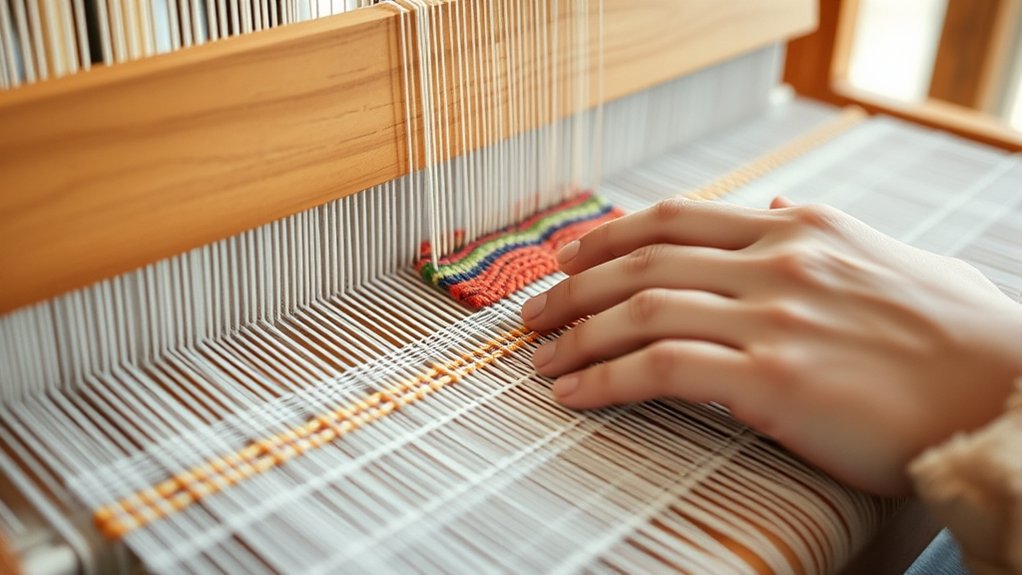
You make woven fabrics by interlacing two sets of yarns: warp running lengthwise and weft crossing them on a loom, carefully controlling tension for strength and flexibility.
You start by spinning fibers, natural or synthetic, into yarns, then weave them using tools like heddles and shuttles.
After weaving, dyeing and finishing processes add color and smoothness. This creates durable, textured fabrics used everywhere.
Keep exploring to uncover how materials, patterns, and innovations shape these textiles.
Key Takeaways
- Woven fabrics are made by interlacing warp (lengthwise) and weft (crosswise) yarns at right angles on a loom.
- Fibers, natural or synthetic, are first spun into yarn before being arranged as warp and weft.
- The loom holds warp threads while a shuttle passes weft yarn through, creating the fabric structure.
- After weaving, fabrics go through dyeing, printing, and finishing processes like washing and heat-setting.
- Proper warp tension and weaving techniques make sure the fabric has strength, texture, and good quality.
What Are Woven Fabrics?
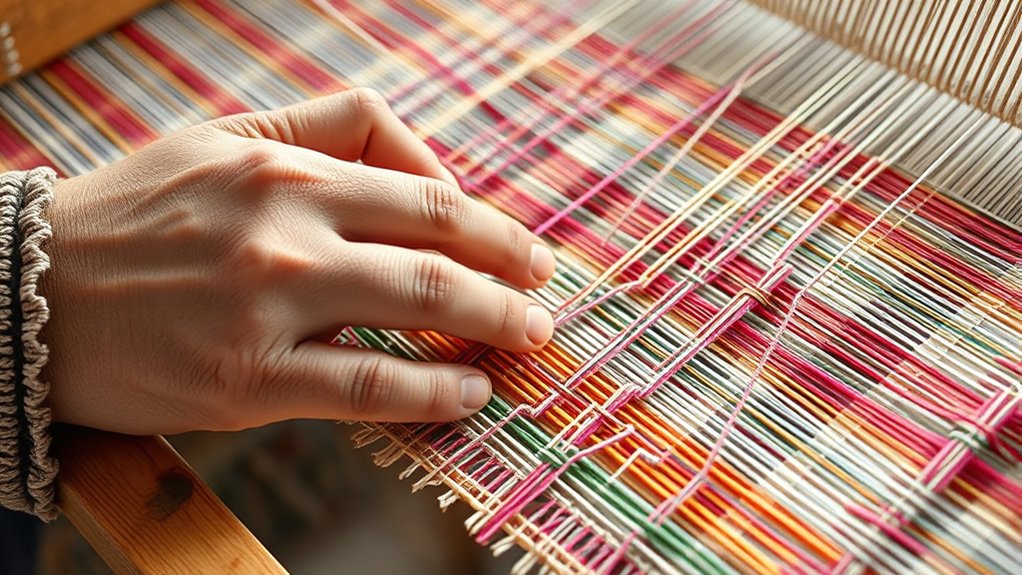
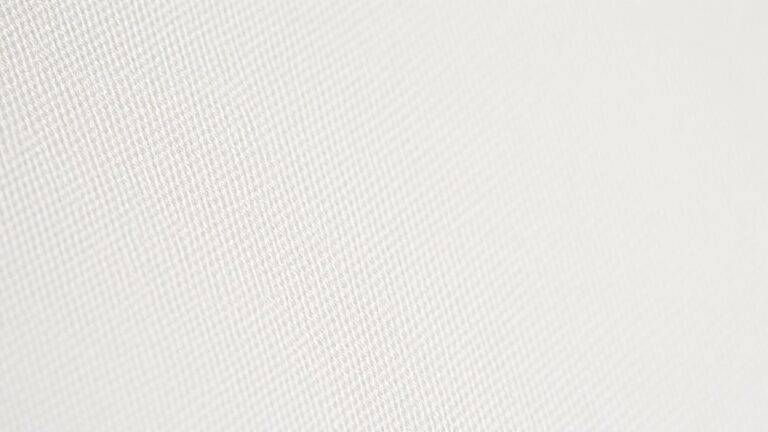
Although you might not notice them every day, woven fabrics form the foundation of many textiles you use. These fabrics are created by interlacing two sets of yarns at right angles, resulting in a sturdy and versatile material.
When you see vibrant colors or intricate patterns on woven fabrics, fabric dyeing and textile printing are usually involved. Fabric dyeing adds color to the yarns before weaving or to the finished fabric, while textile printing applies designs directly onto the fabric surface after weaving.
Both techniques improve the aesthetic appeal of woven fabrics, allowing you to enjoy everything from plain cotton shirts to patterned upholstery. By understanding woven fabrics, you get a glimpse into how raw threads transform into the textiles you encounter daily, all thanks to precise weaving combined with creative dyeing and printing methods.
This makes woven fabrics a vital part of the textile world you interact with constantly.
Warp and Weft: Building Fabric Structure
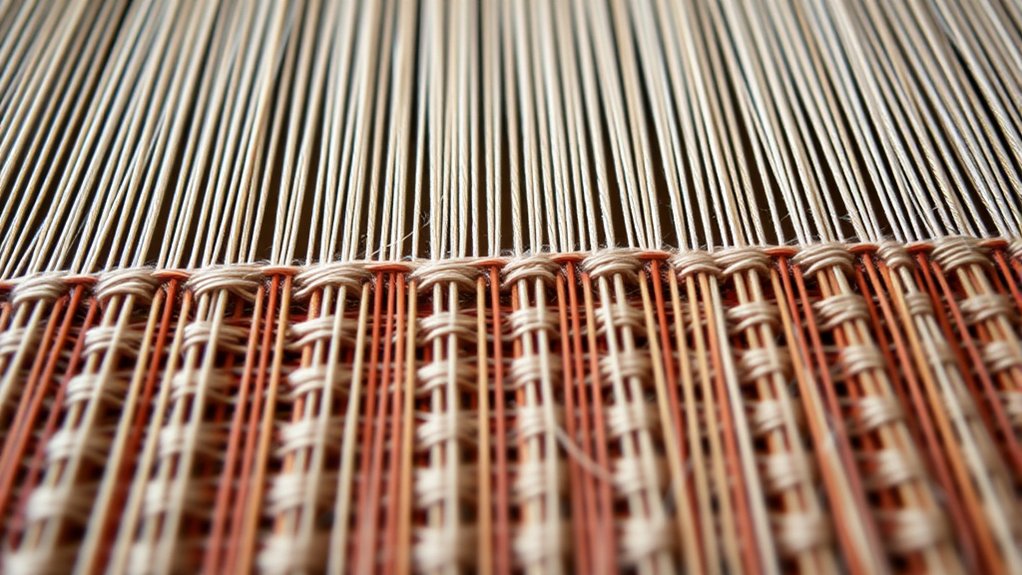
You’ll notice that warp yarns run lengthwise and provide strength to the fabric. At the same time, weft yarns cross the warp, adding flexibility and texture. When you understand how these yarns work together, it’s easier to see how fabric holds its shape.
Warp Yarn Characteristics
How does warp yarn influence the strength and appearance of fabric? You’ll find that warp yarn plays an essential role because it runs lengthwise and carries most of the fabric’s tension during weaving.
Maintaining proper warp tension is critical. You need it tight enough to hold the structure but not so tight that it strains the yarn. Yarn elasticity also matters. If the warp yarn stretches too much, it can distort the fabric’s shape and weaken its durability.
When you select warp yarn, choose ones with low elasticity and high strength to guarantee the fabric holds up well under stress. This balance helps create a stable, smooth fabric surface and contributes considerably to the overall quality and performance of woven textiles.
Weft Yarn Functions
While warp yarn provides the lengthwise strength and structure, the weft yarn plays a key role in filling the fabric crosswise, weaving in and out of the warp threads. You’ll find that the weft yarn influences fabric durability and flexibility, helping the fabric hold together under stress.
It also affects the texture and appearance, giving fabrics their unique feel and pattern. When working with woven fabrics, understanding the weft yarn’s function helps you appreciate the craftsmanship behind each piece.
Here’s what the weft yarn does for you:
- Connects warp yarns to form the fabric body
- Adds crosswise strength and support
- Influences the fabric’s flexibility and drape
- Affects fabric durability over time
- Contributes to texture and design patterns
Knowing this helps you choose fabrics that suit your needs perfectly.
Materials and Fibers in Woven Fabrics
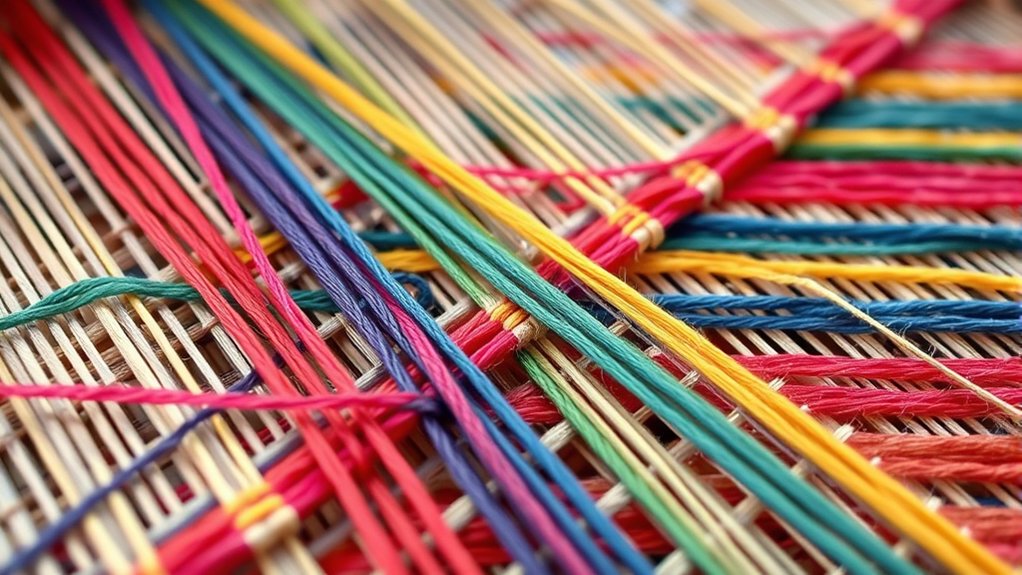
You’ll find woven fabrics made from all sorts of natural and synthetic fibers, each bringing its own special qualities. Knowing the differences between these fiber types makes it easier to pick the perfect material for your project. And here’s the thing—mixing fibers can actually boost fabric performance in ways that just one fiber alone can’t.
Natural Fiber Varieties
Although synthetic fibers have gained popularity, natural fibers remain essential in woven fabrics because of their comfort, breathability, and sustainability. When you choose natural fibers, you’re tapping into materials that often pair beautifully with natural dyes, enhancing both aesthetic and eco-friendliness.
Fiber sustainability is a growing concern, and natural fibers usually have a smaller environmental footprint. Here are some popular natural fiber varieties you’ll encounter:
- Cotton: Soft, breathable, and versatile for many fabric types
- Linen: Made from flax, known for its strength and cool feel
- Wool: Warm and insulating, perfect for colder climates
- Silk: Luxuriously smooth with a natural sheen
- Hemp: Durable and eco-friendly, gaining popularity for sustainable fashion
Using these fibers helps you welcome sustainability while enjoying quality and comfort.
Synthetic Fiber Types
Because synthetic fibers are engineered for specific properties, they offer durability, elasticity, and resistance to wrinkles and stains that natural fibers sometimes lack. When you investigate synthetic fiber types, you’ll encounter polyester, nylon, acrylic, and spandex, each designed for unique uses.
Polyester stands out for its strength and moisture resistance, while nylon excels in elasticity and abrasion resistance. Acrylic mimics wool’s warmth but dries faster, and spandex provides exceptional stretch for activewear.
You should also know that fiber recycling plays a growing role in synthetic fiber production. Recycled polyester made from plastic bottles reduces waste and energy use. By choosing fabrics with recycled synthetic fibers, you support sustainability without sacrificing performance.
Understanding these options helps you select woven fabrics that fit your needs and values.
Fiber Blending Benefits
When different fibers come together in a fabric, they combine their strengths to create materials that perform better than any single fiber alone. Blending fibers lets you enjoy improved durability, comfort, and appearance while opening up new possibilities in textile dyeing and fabric recycling.
Here’s what fiber blending brings to your fabrics:
- Improved strength and resilience for longer-lasting wear
- Augmented moisture management and breathability
- Greater color vibrancy and consistency during textile dyeing
- Increased flexibility for various fabric recycling processes
- Balanced cost-effectiveness by mixing natural and synthetic fibers
How Woven Fabrics Are Made: Step by Step
Before you can enjoy the final woven fabric, you need to understand the key steps involved in its creation. First, fibers are spun into yarn, which forms the foundation of the fabric. Then, yarns are arranged lengthwise (warp) and crosswise (weft) on a loom. You’ll see the weaving process interlaces these yarns tightly, creating the fabric’s structure.
Once woven, the fabric undergoes textile dyeing to add color and patterns, enhancing its appearance. This step requires precision to guarantee even dye absorption and vibrant results. Furthermore, fabric recycling plays a vital role here. Scraps or old textiles can be reprocessed into new yarns, promoting sustainability.
Finally, the fabric is finished by washing, drying, and sometimes heat-setting to improve texture and durability. By following these steps, you’ll appreciate how woven fabrics blend craftsmanship and innovation before reaching your hands.
Weaving Tools and Machines
Though weaving might seem straightforward, it relies on specialized tools and machines to turn yarn into fabric efficiently and accurately. When you investigate weaving, you’ll quickly see that each tool plays an essential role, from preparing the yarn to making sure the loom stays in top shape. Proper loom maintenance is key to avoid disruptions and keep your weaving consistent.
Weaving depends on specialized tools and proper loom care to create fabric efficiently and without interruption.
Plus, understanding textile dyeing helps you appreciate how colors and patterns come alive after weaving.
Here are key weaving tools and machines you’ll encounter:
- Loom: The main machine that holds warp threads tight while you weave.
- Shuttle: Carries the weft thread through the warp threads.
- Warping Board: Organizes and measures warp threads before weaving.
- Reed: Spaces warp threads evenly and helps beat the weft into place.
- Heddles: Lift specific warp threads to create the fabric’s structure.
Mastering these tools guarantees your woven fabrics come out just right every time.
Common Weaving Techniques and Patterns
You’ll find that basic weave types like plain, twill, and satin create the foundation for many fabrics. Each technique produces distinct textures and strengths that suit different uses. So, let’s take a closer look at some popular pattern designs and see how they bring fabric to life.
Basic Weave Types
How do different weave patterns affect the look and feel of fabric? They shape texture, strength, and drape, influencing how fabric reacts to fabric dyeing techniques and colorfastness testing. Understanding basic weave types helps you choose the right fabric for your project.
Here are five common basic weave types:
- Plain Weave: Simple crisscross, durable, smooth surface.
- Twill Weave: Diagonal rib pattern, strong, often used in denim.
- Satin Weave: Shiny, smooth surface, fewer interlacings.
- Basket Weave: Groups of yarns woven together, textured, breathable.
- Leno Weave: Twisted yarns create open, lace-like fabric.
Each weave interacts differently with dyes and affects how well colors hold up in colorfastness testing. This helps you pick fabrics that look great and last.
Popular Pattern Designs
When you examine popular pattern designs, you’ll notice how different weaving techniques create distinct visual effects and textures that bring fabrics to life. Common patterns like twill, satin, and herringbone each use unique interlacing methods to shape the fabric’s appearance and feel.
You’ll often see textile dyeing combined with these woven patterns to improve colors and add depth. Sometimes, pattern embroidery is added afterward, giving extra detail and dimension to the fabric surface.
These techniques let you customize fabrics not just in structure but also in artistic expression. Whether you’re crafting a bold plaid or a subtle jacquard, understanding these patterns helps you appreciate how skilled weaving transforms simple threads into dynamic, beautiful textiles.
Quality Checks and Finishing Touches
Although the weaving and dyeing processes set the foundation, quality checks and finishing touches guarantee the fabric meets your expectations. After dyeing techniques add color and style, inspecting the fabric ensures vibrant hues and consistent shades without flaws.
Quality checks and finishing ensure vibrant, flawless fabric that meets your highest expectations.
You’ll want to verify fabric durability, making sure it can withstand wear and tear over time. Finishing touches improve texture, feel, and appearance, preparing the fabric for its final use.
Here’s what you can expect during quality checks and finishing:
Visual inspection for color consistency and defects
Testing fabric strength and tear resistance
Removing loose threads and imperfections
Applying treatments for softness or water resistance
Pressing or calendaring to smooth and stabilize fabric
Everyday Uses of Woven Fabrics
Since woven fabrics combine strength and versatility, you’ll find them in countless everyday items. From the clothes you wear to the upholstery on your furniture, woven fabrics serve practical and aesthetic purposes. They provide durability in workwear, comfort in casual clothing, and elegance in home décor.
You might not realize it, but these fabrics have a rich historical significance, tracing back centuries as essential materials for human civilization.
When choosing woven fabrics, you also impact the environment. Many natural woven fabrics like cotton and linen are biodegradable, but their cultivation and production can have varying environmental impacts.
Synthetic woven fabrics may offer durability but can contribute to pollution. By understanding the origins and uses of woven fabrics, you can make informed decisions that balance tradition, utility, and environmental responsibility.
Next time you pick out your outfit or decorate your space, remember the woven fabric’s past and its role in your daily life.
Innovations Shaping the Future of Woven Fabrics
As technology advances, woven fabrics are evolving to meet new demands for performance, sustainability, and style. You’ll notice how eco friendly innovations and smart textile developments are transforming how fabrics function and impact the environment. These changes improve durability and comfort, and they also reduce waste and energy use.
Woven fabrics are advancing with eco-friendly innovations that enhance durability, comfort, and environmental impact.
Here are some exciting innovations shaping the future of woven fabrics:
- Incorporation of biodegradable fibers to minimize environmental footprint
- Integration of sensors for health monitoring or temperature regulation
- Use of recycled materials without compromising fabric quality
- Development of water-repellent and stain-resistant finishes without harmful chemicals
- Implementation of 3D weaving techniques to create complex, lightweight structures
Choosing the Right Woven Fabric for Your Needs
How do you pick the perfect woven fabric for your project? Start by considering fabric durability. Think about how much wear and tear your fabric will face. If you need something for everyday use, choose tightly woven fabrics like twill or canvas, which hold up well over time.
Next, consider dyeing techniques. Some fabrics absorb dye better, offering vibrant colors that last longer, while others may fade quickly. For instance, natural fibers like cotton work well with reactive dyes, ensuring bright, durable colors.
Also, match the fabric’s texture and weight to your project’s needs. Lightweight fabrics suit delicate garments, while heavier ones fit upholstery or outerwear.
Finally, don’t overlook care requirements. Some fabrics need special handling to maintain their durability and color. By weighing these factors, you’ll confidently select a woven fabric that fits your needs perfectly, balancing appearance, strength, and color retention.
Frequently Asked Questions
How Does Fabric Weaving Differ From Knitting?
You’ll notice fabric weaving differs from knitting mainly in fiber tension and method. In weaving, you use different loom types to interlace fibers at right angles under consistent fiber tension, creating a stable, structured fabric.
Knitting loops fibers together using needles, allowing more stretch and flexibility. So, while weaving relies on tension and loom types to hold fibers tightly, knitting forms interconnected loops, giving you softer, stretchier fabric.
What Environmental Impacts Are Associated With Woven Fabric Production?
Woven fabric production can be a double-edged sword for the environment. You’ll face challenges like water pollution from dyes and significant energy use.
However, sustainable dyeing techniques help reduce harmful chemical runoff, and effective waste management prevents fabric scraps from piling up in landfills. By choosing eco-friendly processes, you can turn the tide and make fabric production kinder to the planet, weaving sustainability into every thread.
Can Woven Fabrics Be Recycled or Upcycled Effectively?
Yes, you can recycle and upcycle woven fabrics effectively. Recycling processes break down old fabrics into fibers to create new textiles, reducing waste and saving resources.
Upcycling techniques let you transform worn or leftover woven fabrics into stylish, useful items like bags or cushions, giving them a second life. By choosing these methods, you help reduce environmental impact while enjoying unique, sustainable creations.
How Do Cultural Traditions Influence Weaving Styles Worldwide?
You’ll notice cultural traditions shape weaving styles deeply by embedding cultural symbolism into every thread. Traditional patterns tell stories, represent beliefs, or mark social status, making each fabric unique to its origin.
When you delve into weaving worldwide, you see how artisans use colors and motifs to honor heritage, celebrate rituals, or convey identity. This connection keeps traditions alive and lets you appreciate the rich diversity in woven art across cultures.
What Safety Precautions Are Needed When Operating Weaving Machines?
You might think weaving machines are harmless, but they can be dangerous without proper safety gear like gloves and eye protection. You should always wear these to protect yourself from sharp parts and flying debris.
Regular machine maintenance is vital too. It prevents malfunctions that could cause injury. Never bypass safety guards or rush the operation.
Staying cautious and keeping equipment in top shape keeps you safe while working efficiently.
Conclusion
Now that you know how woven fabrics come to life, it’s fascinating to realize that over 70% of all textiles worldwide are woven. This shows just how essential weaving is in our daily lives.
Whether you’re picking fabric for clothes or home decor, understanding the process helps you make smarter choices. So next time you touch a woven fabric, remember the intricate dance of warp and weft threads that creates woven fabrics just for you.