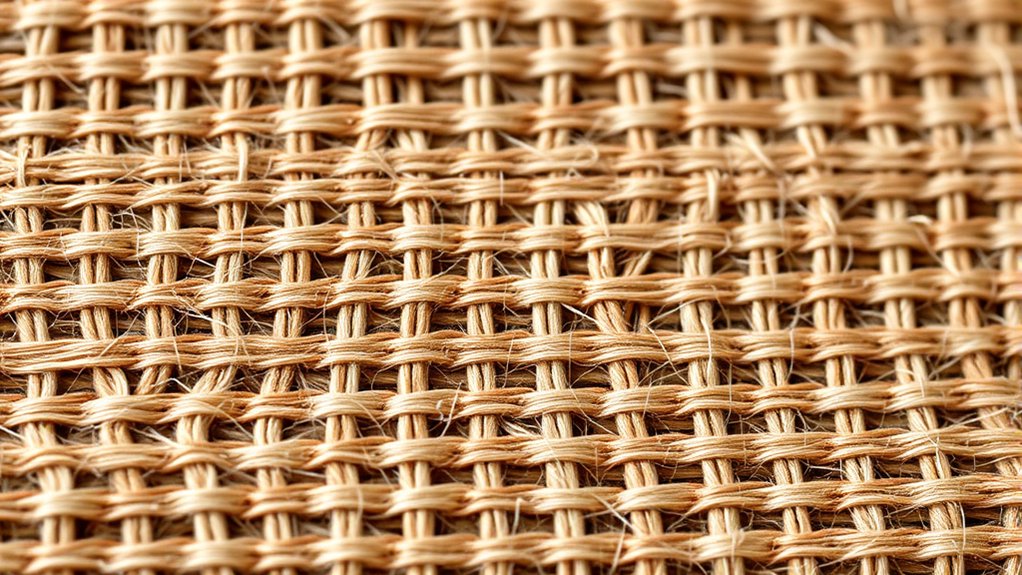
What Are Woven Fabrics?
Finding the perfect fabric can be frustrating, especially when you want something durable but also comfortable and stylish. You’re not alone—many people struggle to understand what makes fabrics different and which ones will hold up best for their needs.
Woven fabrics are textiles you get by interlacing two sets of yarns at right angles: warp runs lengthwise, and weft crosses it. This structure gives the fabric strength, stability, and a crisp hand, so it keeps its shape better than knits.
You’ll find woven cloth in shirts, pants, jackets, upholstery, and more. Different weaves like plain, twill, and satin change the feel, drape, and look, and the details only get more interesting from here.
Key Takeaways
- Woven fabrics are textiles made by interlacing warp and weft yarns at right angles. They are generally stable, durable, and less stretchy than knit fabrics.
- Their structure gives them a crisp hand, clean edges, and good drape. Common woven types include plain weave, twill, satin, basket weave, and jacquard.
- Woven fabrics are used in clothing, upholstery, and decorative textiles, with care depending on fiber and weave.
What Are Woven Fabrics
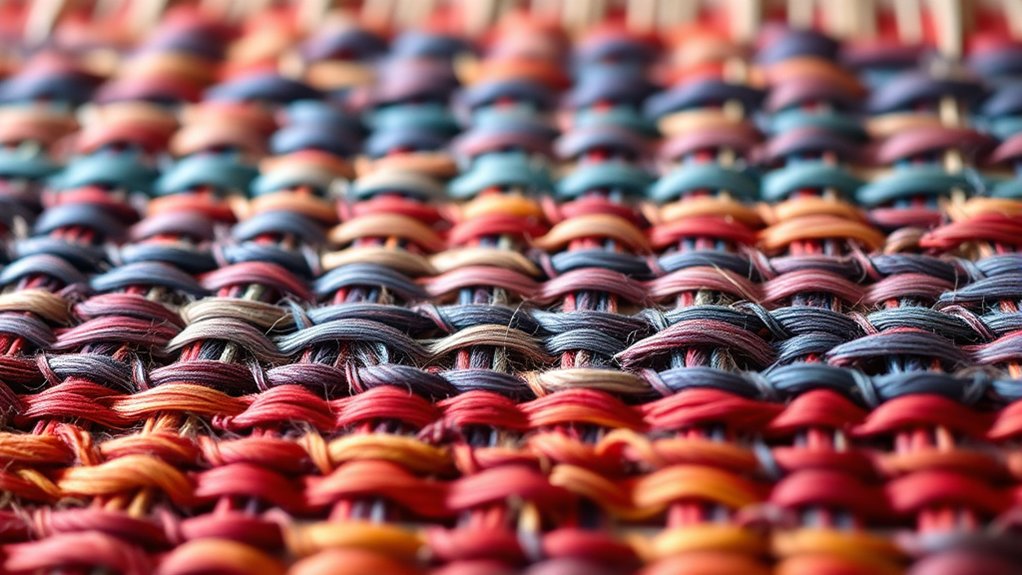
Woven fabrics are textiles made by interlacing two sets of yarns or threads at right angles: the warp runs lengthwise, and the weft crosses over and under it. When you choose woven fabric, you get a material that’s usually stable, durable, and less likely to stretch out of shape than knits.
You’ll also notice crisp structure, clean edges, and good drape, depending on the fiber and weave. These woven fabric benefits make the material useful for clothing, upholstery, linens, and accessories.
Beyond practicality, woven fabrics have historical significance because people have used them for centuries to create garments, shelter, and trade goods. Their long history shows how essential weaving has been to everyday life and cultural identity.
When you understand what woven fabrics are, you can better appreciate their role in both traditional crafts and modern design, where function and appearance often work together.
How Woven Fabrics Are Made
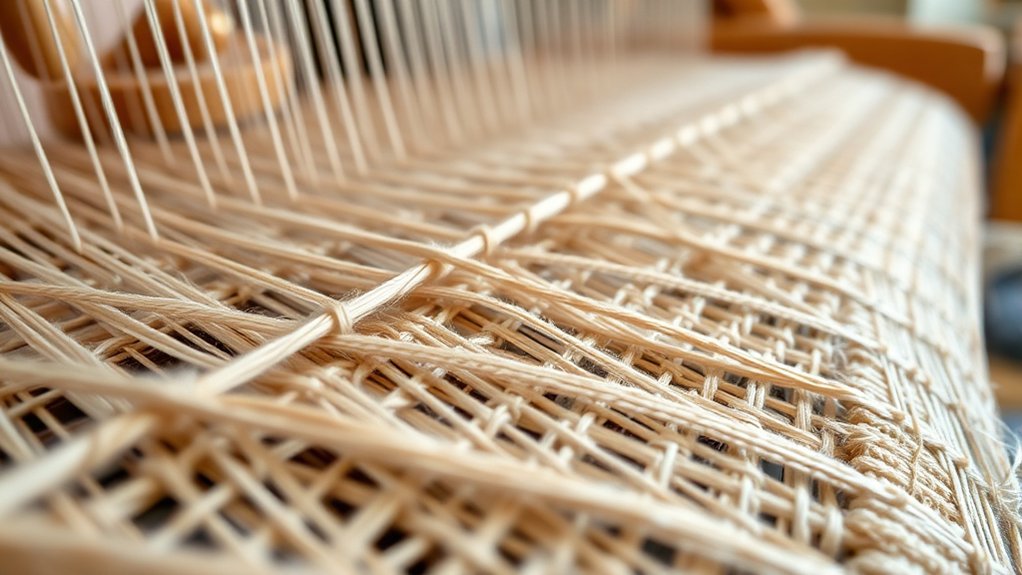
To make woven fabrics, yarns are first arranged on a loom as the warp. Then a second set of yarns, called the weft, is passed over and under them in a repeated pattern.
You guide fabric production by choosing yarn type, tension, and pattern. Each choice shapes the cloth’s look and feel.
Skilled weaving techniques help you create everything from crisp cotton shirting to sturdy upholstery. The loom keeps the yarns steady while the repeated motion builds a balanced structure that resists stretching and fraying.
As you watch the fabric form, you can feel the satisfaction of turning simple strands into something useful and lasting.
- You may feel pride when the pattern aligns perfectly.
- You may feel calm as the rhythm of weaving settles in.
- You may feel excitement when a plain thread becomes a finished textile.
Warp and Weft Yarns Explained
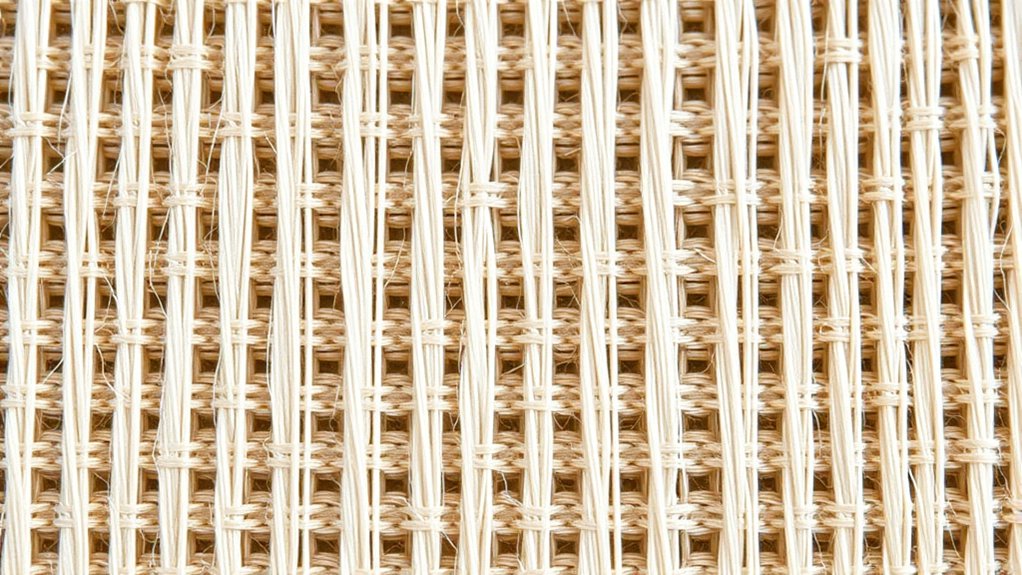
Warp and weft are the two yarn systems that give woven fabric its strength and structure. You’ll find warp yarns running lengthwise on the loom, held under tension so they stay straight and stable. Their warp characteristics usually include higher strength, smoother surfaces, and lower stretch, which helps the fabric keep its shape during weaving and use.
The weft yarns travel crosswise, weaving over and under the warp threads to bind everything together. Because you insert them row by row, you can change weft variations, like thickness, twist, or fiber content, to alter feel and appearance.
When you understand both systems, you can read a fabric more clearly: the warp supports, while the weft adds flexibility and texture. Together, they create the grid that makes woven cloth durable, balanced, and dependable for everyday wear and home use.
Common Types of Woven Fabrics
When you look at woven fabrics, you’ll usually come across plain weave, twill weave, and satin weave. Each type uses warp and weft yarns in a different pattern. This changes the fabric’s texture, strength, and appearance.
You can spot these differences pretty quickly once you know what to look for. It’s all about getting familiar with the patterns and how they affect the fabric’s feel and look.
Plain Weave Fabrics
Plain weave fabrics are the simplest and most common woven textiles, and you’ll recognize them by their tight, balanced over-under structure. You get a fabric that feels steady, looks clean, and handles everyday use with ease.
These plain weave characteristics make the material dependable, breathable, and easy to care for. Plain weave applications range from shirts and bedding to curtains and craft projects.
- You feel confidence when a fabric stays crisp and reliable.
- You enjoy comfort because the weave lets air move through.
- You appreciate versatility when one textile fits many needs.
Because every yarn crosses evenly, you’ll find plain weaves practical, familiar, and accessible.
Twill Weave Fabrics
Twill weave fabrics stand out because their diagonal rib pattern gives them a distinct look, a smoother drape, and extra durability. You’ll notice twill characteristics in the way the yarns shift over and under each other, creating a strong, flexible cloth that resists wear.
This structure helps the fabric handle frequent use while still feeling comfortable against your skin. You can find twill applications in jeans, chinos, jackets, uniforms, and upholstery, where strength matters and appearance counts.
Because it drapes well, you can also use it for skirts, bags, and tailored garments. If you want a fabric that balances toughness with style, twill gives you a reliable option that works well in both casual and structured clothing.
Satin Weave Fabrics
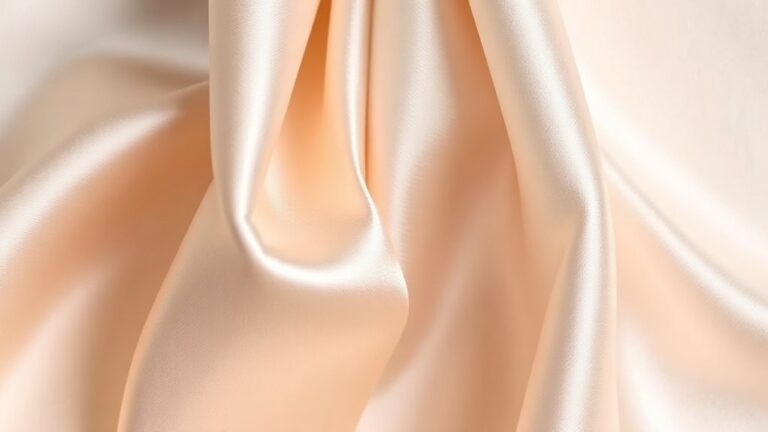
Satin weave fabrics catch the eye with their smooth, glossy surface and soft hand. You’ll notice how satin characteristics create a luxurious drape, a subtle sheen, and a feel that glides against the skin. Because the yarns float over several others, the fabric reflects light beautifully and gives your project a polished look.
You can use it when you want elegance without heavy texture. You feel instant sophistication in eveningwear. You notice comfort in linings and sleepwear. You enhance decor with rich satin applications.
Choose satin when you want drama, fluid movement, and a refined finish. It works well for dresses, scarves, lingerie, and home accents, but you should handle it carefully because snags can show quickly.
Strength, Texture, and Breathability
When you choose a woven fabric, you’ll notice how its tight structure really impacts both strength and durability. Plus, you can feel how the weave changes the texture. And it’s pretty interesting to see how easily air moves through the material, too. All these qualities come together to help you pick the right fabric for comfort, wear, and everyday use.
Strength And Durability
Woven fabrics owe much of their strength and durability to the way their yarns interlace. This creates a stable structure that can resist wear and hold its shape over time. You’ll notice this toughness when you choose garments or home textiles that keep performing after repeated use.
Strong fiber strength supports the weave, while tight construction improves tear resistance and helps the fabric endure strain without failing. That reliability gives you confidence in everyday settings.
- You feel secure when fabric lasts.
- You save time by replacing items less often.
- You trust pieces that stay dependable through challenges.
Because the yarns lock together, the fabric resists stretching and damage better than looser structures. That’s why you can count on it for demanding use, season after season.
Texture And Breathability
The surface feel of woven fabrics often comes from the yarn type, weave pattern, and finishing treatments, so you can choose options that feel crisp, smooth, soft, or textured depending on the job. You’ll notice texture variations when you compare plain weave, twill, and satin structures, because each one shapes the hand and appearance differently.
Tighter weaves usually feel firmer, while looser constructions can seem softer and more open. That openness also affects breathability, letting air move through the cloth more easily. If you need comfort in warm conditions, pick weaves that support moisture control and don’t trap heat.
Woven Fabrics vs. Knitted Fabrics
Although woven and knitted fabrics can both be made from the same fibers, they’re built in very different ways. That changes how they feel, stretch, drape, and wear over time. When you compare woven fabric characteristics with knitted fabric properties, you’ll notice woven cloth usually holds its shape, resists distortion, and feels crisper. Knit fabric stretches more and flexes with your body.
You may prefer woven when you want structure and a polished edge. You may choose knit when comfort and movement matter most.
- You can feel confident in woven fabric’s firm, stable hand.
- You can enjoy the ease and softness that knit fabrics bring.
- You can choose the one that matches how you want to move and feel.
In short, woven fabrics often give you precision, while knits give you ease.
Where Woven Fabrics Are Used
Because woven fabrics hold their shape and resist stretching, you’ll find them in places where structure, durability, and a clean finish matter most. In fashion applications, you rely on them for shirts, suits, skirts, jeans, and jackets that need crisp lines and dependable wear.
In home decor, they show up in curtains, upholstery, tablecloths, and bedding where a polished look matters. You’ll also see them in workwear, bags, and accessories that must handle daily use without sagging.
| Use | Why it works |
|---|---|
| Apparel | Keeps garments structured |
| Home decor | Adds texture and polish |
| Accessories | Stands up to regular wear |
When you want fabric that looks neat and stays steady, woven options often fit the job. Their strength and versatility make them a practical choice across everyday products and more refined pieces alike.
How to Choose the Right Woven Fabric
When you’re picking out a woven fabric, the first thing to look at is the fiber content. This really makes a difference in how the fabric feels, how breathable it is, and how you’ll need to care for it.
You’ll also want to consider the type of weave. That’s important because it affects the texture, strength, and how the fabric drapes.
Try to match both the fiber and the weave to what you need in terms of durability. That way, your fabric will hold up just the way you want it to.
Fiber Content
Fiber content is the first clue to how a woven fabric will look, feel, and perform, so you should match the fibers to the job. Natural fibers like cotton, wool, and linen often offer better moisture absorption and thermal insulation. Synthetic fibers can add strength, quick drying, and easier care.
Fiber blends let you balance fiber properties, elasticity factors, and comfort without sacrificing durability. Consider dyeing techniques too, because some fibers take color more richly than others. If you care about sustainability concerns and environmental impact, choose materials that fit your values and use case.
- Feel confident in your choice.
- Avoid buyer’s remorse.
- Enjoy fabric that works for you.
Weave Type
Weave is the next major clue in choosing the right woven fabric, because it shapes drape, texture, stretch, durability, and breathability. When you compare woven patterns, look at how the yarns cross and how that changes feel and appearance.
Plain weave gives you crisp structure, twill adds diagonal movement, and satin creates a smoother surface. These fabric variations suit different projects.
| Weave type | Best for |
|---|---|
| Plain | Shirts, linings |
| Twill | Pants, jackets |
| Satin | Dresses, evening wear |
| Basket | Casual upholstery |
| Jacquard | Decorative textiles |
You should match the weave to your project’s look and hand. If you want clean lines, choose tighter woven patterns. If you want softness and flow, pick looser fabric variations.
Durability Needs
Durability should guide your choice whenever the fabric has to stand up to regular use, repeated washing, or heavy wear. You need a weave that matches the job, whether you’re making clothing, upholstery, or workwear. Check thread density, fiber strength, and finish, then look for durability testing results that prove the fabric can resist tearing, pilling, and fading.
Stronger construction often means better fabric longevity, so you won’t replace items as often.
- Feel confident when the fabric keeps its shape.
- Avoid frustration from fast wear and constant repairs.
- Enjoy peace of mind when your choice lasts longer.
Care Tips for Woven Fabrics
To keep woven fabrics looking their best, you’ll want to treat them gently from the start. Good fabric maintenance begins with checking labels, sorting by color, and choosing washing techniques that match the weave.
For stain removal, dab spills quickly instead of rubbing, and test any cleaner on a hidden spot first. Skip harsh fabric softeners unless the care tag allows them, since they can affect texture.
Use low-heat drying methods or air-dry flat to help preserve shape and reduce shrinkage. For storage solutions, fold clean pieces neatly and keep them in a cool, dry place away from sunlight to prevent fading.
When you need ironing tips, press on the reverse side with the right heat setting.
| Task | Best Practice | Why It Helps |
|---|---|---|
| Washing | Gentle cycle | Protects fibers |
| Drying | Air-dry flat | Maintains shape |
| Storage | Breathable bin | Limits damage |
Why Woven Fabrics Are Essential
Woven fabrics are essential because they balance strength, structure, and versatility in a way that suits everyday life. You rely on them for clothes that hold shape, home textiles that last, and products that stay dependable through repeated use.
Their tight construction helps you feel confident in pieces that resist stretching and keep a polished look. They also support sustainability impact by lasting longer, which can reduce waste and the need for frequent replacement.
In fashion trends, woven fabrics let you move from casual to formal without losing comfort or style.
- You feel secure in durable garments that protect your investment.
- You enjoy timeless textures that make outfits feel more personal.
- You appreciate fabrics that support smarter, more mindful choices.
When you choose woven fabrics, you choose reliability, beauty, and purpose.
Frequently Asked Questions
Can Woven Fabrics Be Stretchy Without Elastane?
Yes, you can get stretch from woven fabrics without elastane. You’ll see it when the woven structure uses yarns, finishes, or a looser construction that lets the fabric move.
You won’t get the same fabric elasticity as spandex, but you can still enjoy comfort and give in garments like denim, shirting, or tailored pants. You should look for bias cuts, mechanical stretch, or natural fiber blends for more flexibility.
Do Woven Fabrics Shrink After Washing?
Yes, you can expect some woven fabrics to shrink after washing, like a shirt drawing in on itself after a rainstorm. You’ll see shrinkage depending on factors such as fiber type, weave, heat, and agitation.
If you follow proper fabric care, you can limit the change. Wash in cool water, avoid high heat, and air-dry when possible. That way, you’ll help your fabric keep its shape and size.
Are Woven Fabrics More Expensive Than Knits?
Usually, you’ll pay more for woven fabrics than for knits, but it depends on the woven fabric types you choose. You might spend extra for stronger yarns, tighter construction, or special finishes that boost woven fabric durability.
Knits can cost less because they’re faster to produce and often use less structure. Still, premium knits can beat some basic wovens, so you’ll want to compare material, quality, and intended use.
Which Woven Fabric Is Best for Hot Weather?
For hot weather, you’ll usually do best with linen or lightweight cotton. Both are breathable materials, so they let air move and help you stay cooler when the sun’s out.
If you want something that feels easy and light, choose lightweight options with a loose weave. You’ll notice the difference fast: less cling, less sweat, more comfort. When heat rises, these fabrics often become your best everyday pick.
How Can I Tell if Fabric Is Woven by Touch?
You can often tell a fabric’s woven by feeling its structure: it usually has a firmer, more stable texture than knit fabric. Run your fingers across it and notice tiny ridges, crisscross patterns, or slight grain lines from the weaving techniques.
It won’t stretch much side to side unless blended with elastane. If you pinch it, you’ll feel a tighter, more grid-like surface than you’d get with knits.
Conclusion
When you choose woven fabrics, you’re picking materials built to last, breathe, and hold their shape. Think of a favorite cotton shirt that still looks sharp after years of wear. That’s the quiet strength of weaving at work.
With warp and weft threads locked together, these fabrics offer the balance you need for clothing, upholstery, and home goods. Once you understand their structure, you’ll see why woven fabrics are such a dependable foundation in everyday life. Woven fabrics truly stand out for their durability and versatility.