Types of Fabric Material
Choosing the perfect fabric material for your clothes or home textiles can be overwhelming. You’re not alone—many people struggle with finding the right balance of comfort, durability, and care. Understanding the different types of fabric materials can make this decision much easier and help you get the most out of your purchases.
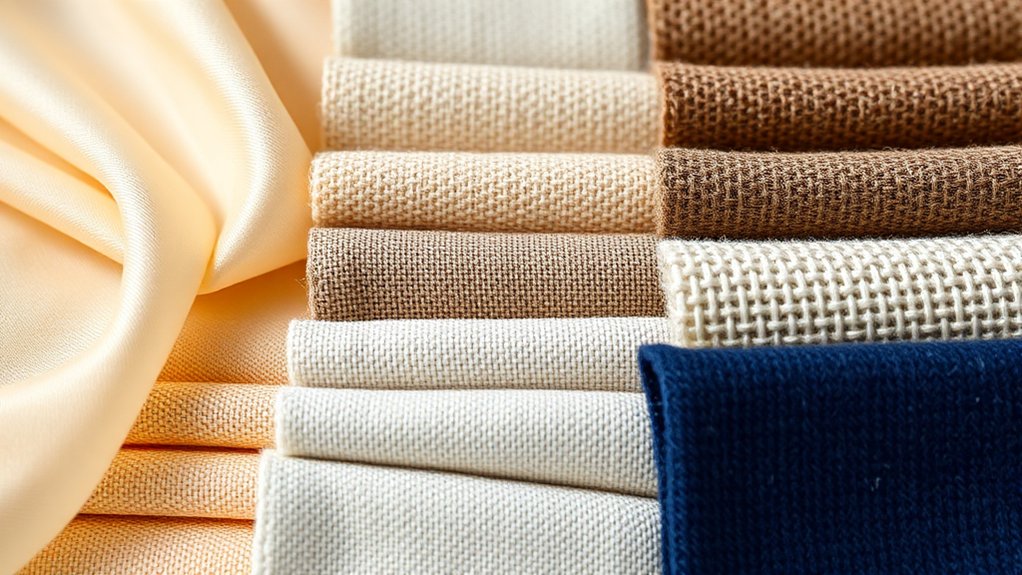
Fabric materials usually fall into three main groups: natural, synthetic, and blended. You’ll find cotton, wool, and silk in natural fabrics, and they’re breathable, soft, and comfortable.
Polyester, nylon, and acrylic are synthetic options that dry quickly, resist wear, and need less care. Blended fabrics mix fibers for better stretch, durability, and easy maintenance.
When you choose the right fabric, you improve comfort, appearance, and performance, and there’s more to compare as you investigate further.
Key Takeaways
- Fabrics are mainly natural, synthetic, or blended. Each type offers different levels of comfort, durability, and maintenance.
- Natural fabrics like cotton, wool, and silk are breathable and comfortable. They’re suited to different climates and uses.
- Synthetic fabrics such as polyester, nylon, and acrylic are durable, quick-drying, and easy to care for.
- Blended fabrics combine fibers to improve strength, wrinkle resistance, shape retention, and overall versatility.
- Choosing fabric depends on breathability, texture, drape, durability, season, and care requirements.
What Are the Main Fabric Types?
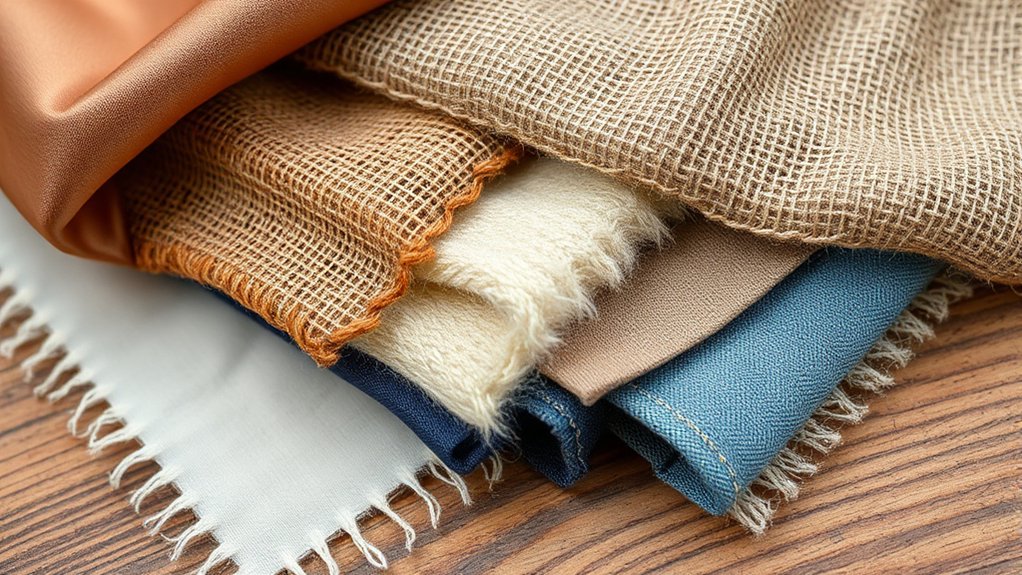
When you’re choosing fabric, the main types usually fall into three broad groups: natural, synthetic, and blended. You’ll notice each group behaves differently, so you can match the material to the job.
Natural fabrics come from plants or animals, while synthetic fabrics are man-made from chemicals. Blended fabrics combine both to balance comfort, strength, and easy care.
Natural fabrics come from plants or animals; synthetics are man-made, and blends balance comfort, strength, and easy care.
As you compare options, look at fabric characteristics like breathability, stretch, texture, drape, and durability. These traits affect how clothing feels and performs in daily use.
You can also spot textile trends in finishes, performance coatings, and eco-focused blends that aim to improve wearability. By understanding the main fabric types, you’ll make smarter choices for style, function, and maintenance without guessing.
Start with the fabric’s source, then compare how it handles heat, moisture, and movement before you buy.
Natural Fabrics: Cotton, Wool, and Silk
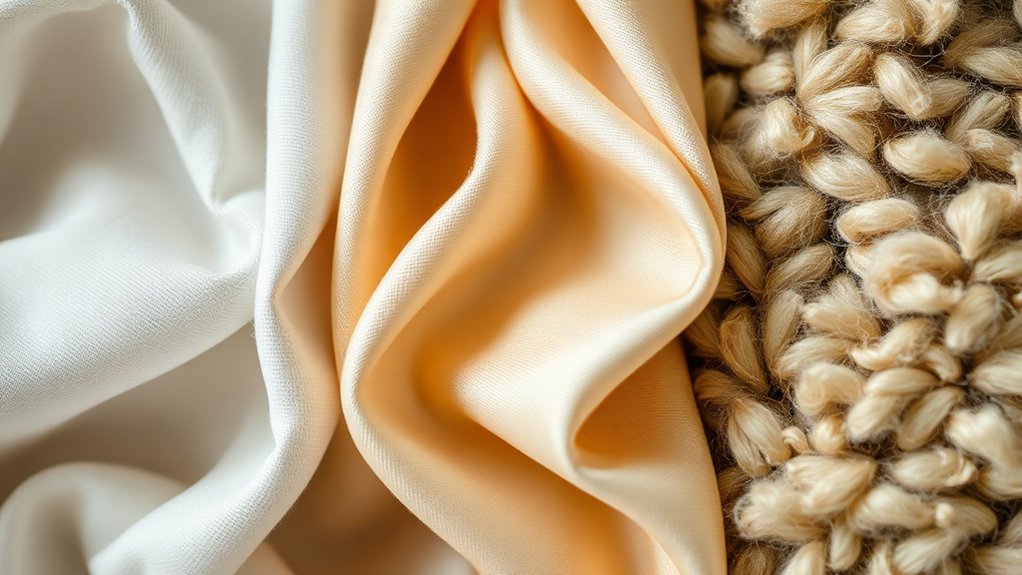
When you choose natural fabrics, cotton gives you a soft, breathable feel that’s perfect for everyday wear and home textiles. It’s super comfortable and lets your skin breathe.
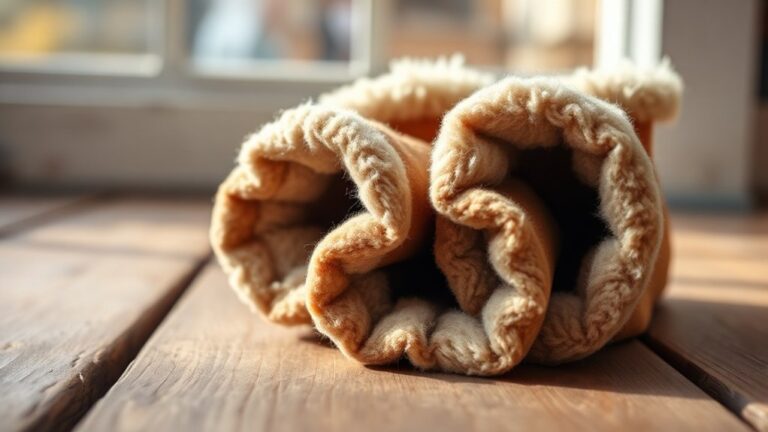
Wool, on the other hand, keeps you warm and does a great job at insulating. So, if you need something cozy for cooler days, wool has got you covered.
And then there’s silk. It adds a smooth, lustrous finish that’s just right for special garments and those elegant touches.
Put them all together, and you’ve got versatile options that balance comfort, warmth, and style.
Cotton Fiber Qualities
Cotton’s soft, breathable fibers make it one of the most comfortable and versatile natural fabrics you can choose. You’ll notice how well it lets air move through your clothing, helping you stay cooler in warm weather and more comfortable all day.
Its natural strength means it can handle regular wear, repeated washing, and everyday use without losing its shape too quickly. When you look at cotton sustainability, you’ll also find that better farming and lower-impact cotton processing can reduce environmental strain.
Cotton absorbs moisture well, so you get a dry, pleasant feel against your skin. Because it dyes easily and feels gentle, you can rely on cotton for clothing, bedding, and other items that need comfort, durability, and easy care.
Wool And Silk Uses
Wool and silk bring different strengths to natural fabrics, giving you options for both warmth and elegance. You can rely on wool for sweaters, coats, socks, and blankets because it traps heat, resists wrinkles, and wicks moisture well. These wool benefits make it practical for cold weather and active wear.
You can choose silk for blouses, scarves, dresses, and linings when you want a smooth drape and a refined finish. Its silk properties include lightweight comfort, natural shine, and a soft feel against your skin. If you need everyday durability, wool works hard; if you want a polished look, silk stands out.
Together, they help you dress for comfort, function, and style in many seasons.
Synthetic Fabrics: Polyester, Nylon, and Acrylic
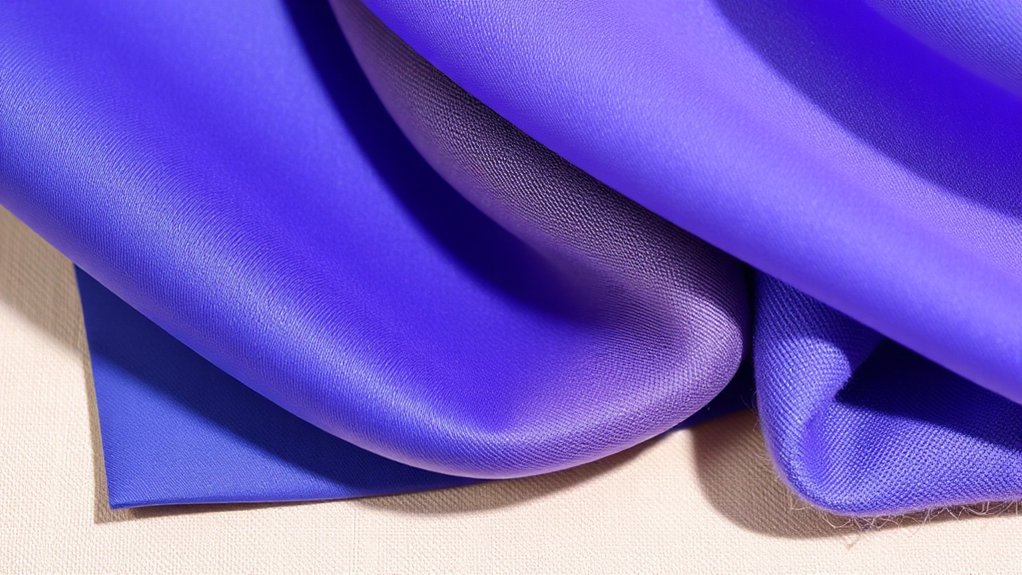
Synthetic fabrics like polyester, nylon, and acrylic offer durability, wrinkle resistance, and easy care, which makes them popular for everyday clothing and home textiles. You’ll notice their synthetic advantages right away: they dry fast, hold color well, and resist stretching better than many natural fibers.
Polyester works well in activewear, nylon adds strength to stockings and outdoor gear, and acrylic can mimic wool in sweaters and blankets.
- Polyester: low maintenance and fade resistant
- Nylon: tough, lightweight, and abrasion resistant
- Acrylic: soft, warm, and budget friendly
If you want practical fabrics, these choices give you reliable performance without much fuss. You can also look for eco friendly alternatives, like recycled polyester, when you want a smaller environmental footprint. While each fiber has tradeoffs, you’ll find them useful when you need function, affordability, and consistent results in your wardrobe or home.
What Makes Blended Fabrics Useful?
Blended fabrics combine two or more fibers to give you a balance of comfort, strength, and easy care in one material. You get blended fabric benefits because each fiber adds something useful, such as better shape retention, less wrinkling, or simpler laundering.
That makes them practical for clothing you wear often, from work shirts to pants and knit tops. You’ll also notice fabric versatility since one blend can work in casual, dressy, or active settings without needing a different material for every purpose.
Manufacturers can tune blends to improve durability, reduce shrinkage, and create a smoother finish, so you enjoy reliable performance day after day. If you want fabrics that adapt to your routine, blended options give you flexibility without sacrificing everyday usability.
They’re a smart choice when you need material that looks good, handles wear, and keeps your wardrobe easy to manage.
How Fabric Affects Comfort and Breathability?
When you choose fabric, comfort often comes down to how the fibers feel against your skin and how well they let air move through the material. Softer surfaces can reduce irritation, while open structures help moisture escape and keep you cooler. You’ll notice that weight, weave, and fiber type all shape fabric breathability factors, so a lightweight cloth usually feels less stifling than a dense one.
- Airflow: Looser weaves let heat leave faster.
- Moisture control: Absorbent fibers can pull sweat away.
- Fit and movement: Flexible fabric supports comfort temperature regulation.
If a fabric traps heat or holds dampness, you may feel sticky and restricted. When it breathes well, you stay drier, and your skin can maintain a steadier temperature. That balance matters most when you wear the material for long periods or stay active indoors and outdoors.
Which Fabrics Work Best for Clothing?
When you’re picking fabrics for your clothes, natural fibers like cotton, linen, wool, and silk usually give you the best balance of comfort and performance. You can wear cotton and linen for everyday breathability — they keep you cool and comfy.
On the other hand, wool and silk are great when you need something warmer, with a nice drape or a softer feel. Choosing the right fabric for the right purpose really helps your clothes look better, feel better, and last longer. It’s all about matching the fabric to what you need.
Natural Fiber Choices
Natural fibers often feel like the easiest starting point when you’re choosing clothing materials because they bring comfort, breathability, and a more natural drape. You can compare hemp fabric, bamboo textiles, and organic cotton by checking fabric properties like softness, airflow, and durability.
These sustainable fibers often suit everyday wear because they’re gentle and adaptable. Consider these points:
- Linen advantages include coolness, crisp texture, and quick drying.
- Organic cotton feels soft, works well for sensitive skin, and supports eco friendly materials.
- Hemp fabric offers strength, while natural dyeing can add color with a lower-impact finish.
When you want clothes that feel light and honest, natural fibers help you choose with confidence and less guesswork.
Best Fabric Uses
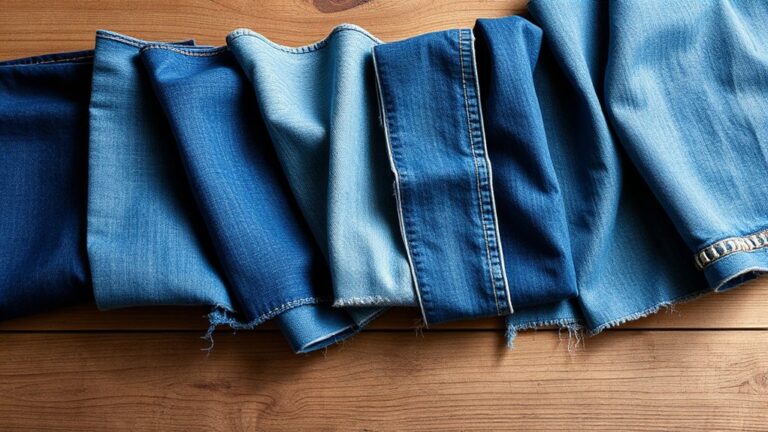
Choosing the right fabric for clothing starts with how you plan to wear it: cotton works well for everyday basics, linen suits hot weather and relaxed pieces, wool adds warmth, and silk brings a smooth, polished feel. You can choose denim for durable pants and jackets, jersey for comfy tees, and polyester blends when you need wrinkle resistance and easy care.
If you want outfits that last longer and feel better to wear, look for sustainable fabrics like organic cotton, hemp, and Tencel. Match seasonal fabrics to the weather: lighter weaves keep you cool in summer, while heavier knits and wools help you stay warm in winter.
When you compare drape, breathability, and stretch, you’ll pick clothing fabrics that fit your lifestyle and routine.
Best Fabrics for Home Décor and Upholstery
For home décor and upholstery, you want fabrics that balance durability, comfort, and style, since these pieces have to handle daily use while still looking good. Cotton blends give you a soft, versatile option for cushions and slipcovers, while linen adds a crisp, relaxed look that suits modern interiors.
Choose fabrics that balance durability, comfort, and style for upholstery that looks good and works hard.
If you follow current upholstery trends, velvet can bring rich texture and a polished feel to chairs or sofas. For busy rooms, microfiber gives you a smooth surface that resists stains and fits many styles.
- Cotton blends: practical and adaptable
- Linen: airy and refined
- Velvet or microfiber: stylish and inviting
You should also think about fabric maintenance, since your choices affect how easily you can refresh a room. Pick colors and textures that match your lighting, furniture, and lifestyle, so your space feels cohesive and comfortable.
Fabric Durability, Stretch, and Care Guide
When you choose fabric for a project, durability, stretch, and care all play a big role in how well it performs over time. You should check how tightly the fibers hold together because stronger weaves usually resist wear, pilling, and tearing better.
If you need movement, look for fabrics with natural or added stretch since they’ll bend and recover more easily without losing shape. For fabric care, always read the label before washing or ironing.
Some materials need cold water, gentle cycles, or air drying to protect texture and color. Others can handle frequent cleaning with little damage. Durability testing helps you compare options by showing how a fabric stands up to rubbing, pulling, and repeated washing.
You can also test a small sample at home to see how it behaves in real use. By paying attention to these details, you’ll keep your fabric looking good and lasting longer.
How to Choose Fabric Material for Your Needs?
Now that you know how durability, stretch, and care affect performance, you can narrow down fabric choices based on your project’s needs. Start by matching the material to how you’ll use it. If you’re sewing clothes, choose a fabric weight that suits the season and the drape you want. For home décor, you may need sturdier fibers that hold shape and resist wear. For crafts, look for easy handling and clean edges.
Match the fabric to the project—choose weight, drape, and durability based on how it will be used.
- Check function first: Pick fabric that supports movement, structure, or softness as needed.
- Compare texture and feel: Touch samples so you can judge comfort, shine, and flexibility.
- Review fabric patterns: Choose prints or solids that fit your style and hide or highlight details.
You’ll make better choices when you consider both appearance and performance together. Test a small swatch if you can, and let your project guide the final decision.
Common Fabric Mistakes to Avoid
A few common fabric mistakes can derail a project before you even cut the first piece. You might choose a beautiful textile, then ignore stretch, drape, or shrinkage and end up frustrated. Always test a swatch, read the label, and match the cloth to the pattern and purpose.
Don’t skip fabric care instructions, because washing or pressing the wrong way can ruin fibers fast. You should also consider seasonal fabrics; heavy wool won’t suit summer, and airy linen won’t keep you warm in winter.
| Mistake | Why it matters | Better choice |
|---|---|---|
| Ignoring stretch | Fit changes | Measure first |
| Skipping care labels | Damage risk | Follow instructions |
| Wrong seasonal fabrics | Comfort drops | Match climate |
When you buy fabric, touch it, hold it to light, and imagine how it’ll sew. Careful choices save time, money, and repairs.
Frequently Asked Questions
How Do Fabric Weaves Affect Texture and Performance?
Fabric weaves change how your cloth feels and performs by controlling yarn placement, surface depth, and breathability. Tighter weave patterns usually give you smoother texture variations, more durability, and better wind resistance. Looser weaves can feel softer, drape easily, and let air move through.
You’ll notice that different weaves also affect stretch, moisture handling, and wrinkle resistance. So the structure you choose directly shapes comfort, appearance, and everyday use.
What Fabrics Are Best for People With Sensitive Skin?
You’ll likely love the gentlest fabrics: cotton, silk, bamboo, and linen. Ironically, the thing touching you all day can be the quietest troublemaker, so choose natural fibers with soothing textures and breathable materials.
These hypoallergenic options help reduce irritation, wick moisture, and let your skin breathe. You can also try organic cotton or Tencel for extra comfort.
Avoid scratchy synthetics, and you’ll feel calmer, cooler, and far less itchy.
Which Fabrics Resist Wrinkles the Most?
Polyester, nylon, and polyester blends resist wrinkles best, and you’ll notice they keep their shape after washing and wearing. You can also look for wrinkle-free technology and special fabric finishes that help fabrics stay smooth longer.
Cotton blends wrinkle more than synthetics, but performance-treated cotton can do better. If you want easy care, choose tightly woven, textured fabrics since they naturally hide creases and need less ironing.
How Can You Identify Fabric Quality by Touch?
Like judging a fruit, you can tell fabric quality by touch. You’ll feel fabric weight first: better cloth often feels substantial, not flimsy. Then use texture analysis. Run your fingers across it to check for smoothness, evenness, and consistency.
High-quality fabric usually feels soft yet firm, with a tight weave, little fuzz, and good drape. If it feels scratchy, uneven, or overly thin, it’s probably lower quality.
Are Sustainable Fabrics More Expensive Than Regular Ones?
Yes, sustainable fabrics often cost more than regular ones, but it’s not always the case. You’ll usually see a higher cost comparison because eco-friendly materials, ethical labor, and smaller production runs raise prices.
Still, market trends are shifting, and some sustainable options are becoming more affordable as demand grows. You can also save money long-term if you buy durable, high-quality fabrics that last longer and need less replacement.
Conclusion
So, what’s the real story behind fabric choices? The truth is, the best material isn’t always the fanciest one. It’s the one that fits your life.
You’ll stay cooler in breathable cotton, get more durability from polyester blends, and enjoy luxury with silk when it suits the occasion.
If you match fabric to comfort, use, and care, you’ll avoid costly mistakes and choose pieces that truly work for you every time. Understanding types of fabric material helps you make smarter choices that last.