Types of Woven Fabric: Quick Guide
Choosing the right woven fabric can feel overwhelming, especially when you want something that looks great, lasts long, and suits your project perfectly. You’re not alone—many people struggle to understand the differences and what works best for their needs.
Let’s break it down together so you can make confident choices.
Woven fabric is made by crossing two yarn sets, giving you a stable textile with a clean surface and reliable strength.
Plain weave is simple and breathable, twill adds diagonal lines and a softer drape, satin feels smooth and lustrous, and basket weave looks textured and sturdy. Jacquard weaves patterns into the cloth itself.
Choose the weave based on use, weight, and care needs, and you’ll see how each type changes the final result in useful ways.
Key Takeaways
- Woven fabric is made by crossing two yarn sets, creating a stable, durable structure with varied texture and drape.
- Plain weave uses a simple over-under pattern, offering balance, breathability, and versatility for shirts and home textiles.
- Twill weave has diagonal ribs, giving fabrics like denim stronger durability, softer drape, and wrinkle resistance.
- Satin weave produces a smooth, lustrous surface with fluid drape, commonly used for eveningwear and lingerie.
- Jacquard and basket weaves add woven-in patterns or textured strength, suited to upholstery, décor, and decorative fabrics.
What Is Woven Fabric?
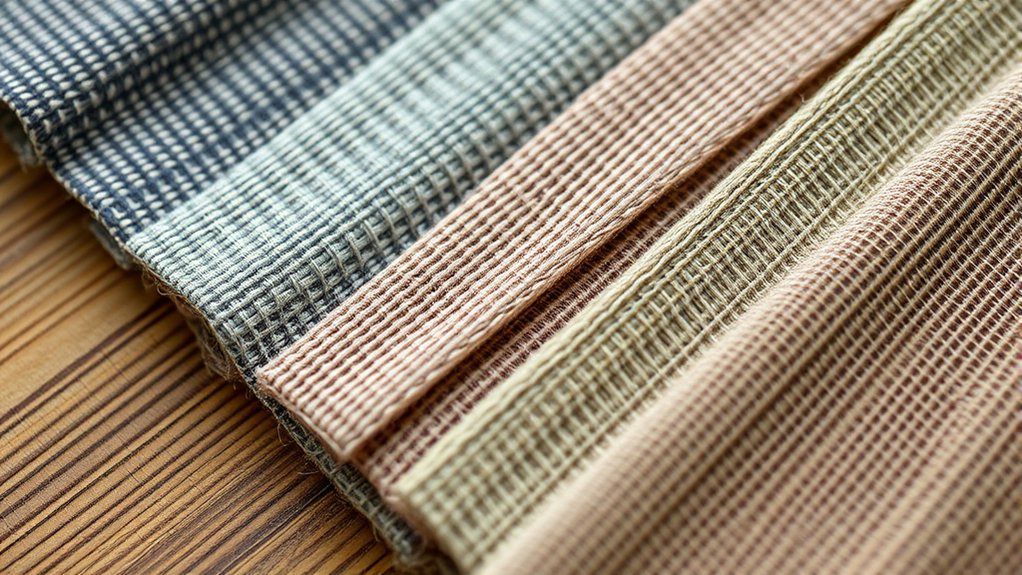
Woven fabric is the kind of textile you get when two sets of yarns cross over and under each other in a structured pattern. You can recognize it by its stable structure, clean surface, and dependable strength.
Because the yarns lock together, the cloth usually keeps its shape better than many other textiles. These woven fabric characteristics make it useful for clothing, home goods, and industrial uses.
Yarns lock together, helping woven cloth hold its shape and serve clothing, home, and industrial needs.
You’ll also find that woven fabric can vary widely in texture, weight, and drape, depending on the yarns and the way they’re arranged. Across cultures, historical woven techniques have shaped how people make fabric, from hand-loom traditions to more advanced production methods.
When you understand this basic construction, you can see why woven textiles often feel crisp, durable, and versatile. They’re built through interlacement, not knitting, which gives them a distinct identity and a wide range of practical uses.
Plain Weave Basics
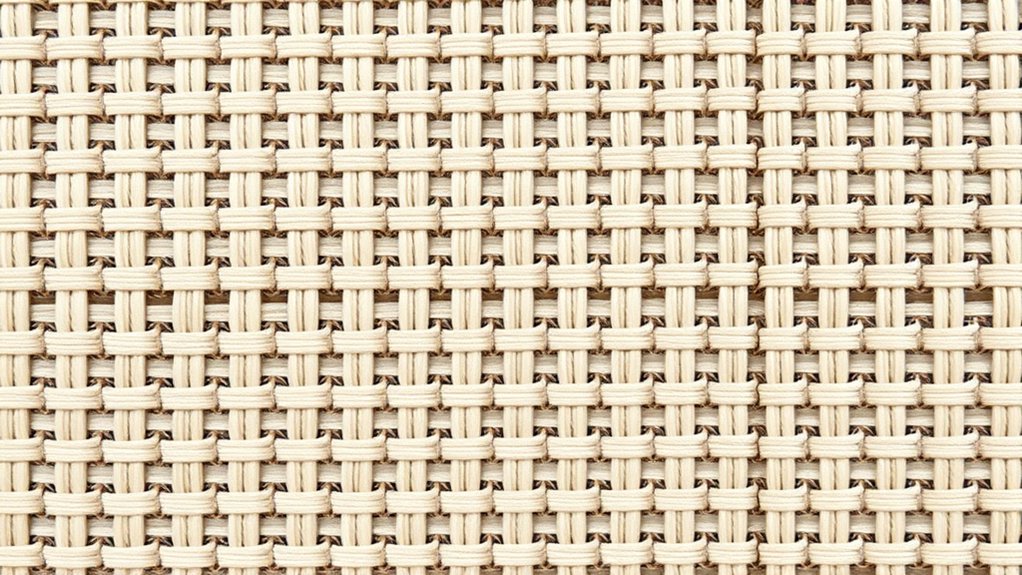
Plain weave uses a simple over-and-under pattern, which means you end up with a balanced, sturdy fabric that has a smooth surface. You’ll find it in lots of everyday textiles, like cotton shirts, linen, quilting fabrics, and even home décor. Because of this basic structure, plain weave is super versatile, durable, and easy to work with.
Plain Weave Structure
If you look closely at this foundational weave, you’ll see the warp and weft threads crossing over and under one another in a simple, repeating pattern. You get a balanced grid that’s easy to recognize and helps define key woven fabric characteristics. Because each yarn interlocks at regular intervals, the structure stays steady and lies flat.
- warp thread over one weft
- weft thread over one warp
- equal spacing across the cloth
- consistent texture throughout
This simplicity explains many plain weave advantages: it’s dependable, easy to inspect, and naturally stable. You’ll notice a firm surface with minimal distortion, since the repeated intersections keep the fabric uniform. That straightforward structure also supports clear, crisp edges and a neat overall appearance.
Common Plain Weave Uses
Because of its simple, stable structure, plain weave shows up in fabrics you use every day, from crisp shirts and bed linens to lightweight curtains and basic upholstery. You’ll also find it in cotton canvas, which gives bags, shoes, and utility items the durability they need.
When you want breathable comfort, linen blends work well for summer clothing, tablecloths, and drapery because they drape nicely and resist heavy texture.
In home decor, plain weave helps you choose fabrics that handle frequent washing and everyday wear without fuss. For sewing projects, you can count on it for easy cutting, clean seams, and reliable results.
If you need a fabric that’s versatile, affordable, and easy to style, plain weave is often the smart choice.
Twill Weave and Its Uses
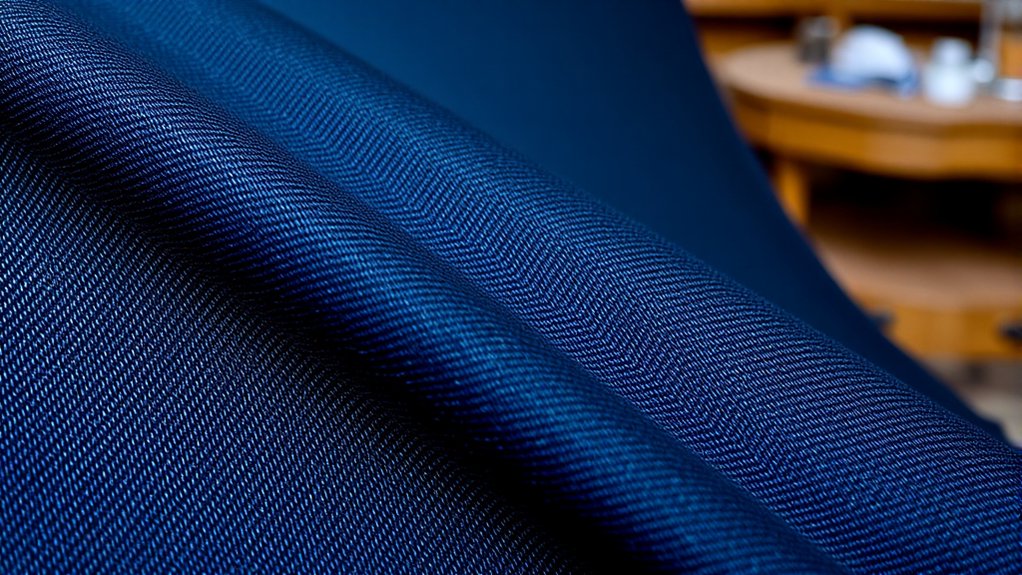
You can spot a twill weave by its diagonal rib pattern. This pattern gives the fabric more drape and durability compared to a plain weave. That’s why twill works so well in denim, chinos, and other hard-wearing textiles. It’s a pretty versatile weave that balances strength, texture, and everyday use.
Twill Weave Structure
Twill weave stands out for its diagonal rib pattern, created when warp and weft threads cross over and under each other in a staggered sequence. You’ll notice this structure gives fabric a softer drape and more texture than plain weave.
By shifting the float length and repeat count, you can create twill variations that change surface depth and durability. Different twill patterns also affect how light hits the cloth, making the diagonal lines more or less visible.
- Diagonal ribs
- Flexible drape
- Distinct texture
- Variable repeat
You can spot the weave by looking for the slanting lines that move steadily across the fabric. This structure lets you balance strength, comfort, and visual interest without adding complexity to your project.
Common Twill Uses
Twill’s hardwearing structure makes it a go-to choice for fabrics that need strength, flexibility, and a polished look. You’ll see it in jeans, chinos, workwear, and jackets because its diagonal ribs hide wear and help the fabric drape well.
Tailors also use twill for skirts, suits, and coats when they want cleaner lines and more body. In home goods, you’ll find it in upholstery, curtains, and blankets, where durability matters.
The twill characteristics you notice most are resilience, softness after use, and resistance to creasing. Different twill variations, like herringbone and houndstooth, add visual interest while keeping the same sturdy base.
When you choose twill, you’re picking a fabric that balances function, comfort, and style in everyday clothing and interiors.
Satin Weave for a Smooth Finish
Satin weave creates one of the smoothest, most lustrous surfaces in woven fabric by floating warp or weft yarns over several others before interlacing. You notice its shine right away, and that polished face can enhance garments and décor.
Satin weave’s floating yarns create a smooth, lustrous surface that instantly elevates garments and décor.
Its satin characteristics include a sleek drape, soft hand, and subtle sheen that catches light beautifully. You’ll often choose it when you want elegance without heavy texture.
- Smooth surface
- High sheen
- Fluid drape
- Luxurious feel
Common satin applications include eveningwear, lining, lingerie, ribbons, and decorative accents. Because the long floats can snag, you should handle and sew it carefully, using sharp tools and gentle pressing.
You can rely on satin when you need visual richness and a refined finish that feels comfortable against skin.
Basket Weave Fabric Explained
Basket weave fabric is made by weaving pairs of yarns over and under each other. This creates a look that’s both sturdy and textured. It’s pretty common to see it in things like upholstery, baskets, and casual clothing. Why? Because it holds up well and has a relaxed feel.
Once you get the basics, it’s easy to see why this weave is so popular for everyday use. It’s simple but strong, making it a great choice for all kinds of stuff you use every day.
Basket Weave Basics
At first glance, this weave looks a lot like a checkerboard: two or more yarns run side by side and then interlace over and under matching groups of yarns in the opposite direction. You’ll notice the effect in basket weave patterns, where larger yarn bundles create a balanced, textured grid.
Because the structure repeats cleanly, you can spot basket weave applications in fabrics that need a stable, matte surface without extra sheen.
- paired yarns move together
- over and under units stay even
- texture feels firm yet flexible
- pattern reads bold and simple
You get a fabric that’s easy to recognize and straightforward to describe. The open, blocky look makes this weave distinct from tighter plain weaves, and its symmetry gives you a clear visual rhythm.
Common Fabric Uses
In upholstery, tote bags, and casual apparel, you’ll often see basket weave chosen for its sturdy feel and relaxed texture. You can rely on it as upholstery fabric because it resists wear while adding visual depth.
In cotton blends, it works well for shirts, skirts, and jackets that follow current fashion trends without feeling stiff. You’ll also find it in decorative uses like pillows, table linens, and wall accents, where the pattern adds subtle interest.
For sustainable textiles, basket weave pairs nicely with recycled fibers and natural yarns. It’s useful in outdoor applications too, since the structure handles frequent use. Textile innovations keep improving its comfort, while seasonal fabrics in heavier or lighter versions help you choose the right weight year-round.
What Makes Jacquard Fabrics Unique
Jacquard fabrics stand out because their patterns are woven directly into the cloth rather than printed on top, giving them depth, texture, and lasting detail. You’ll notice Jacquard patterns can range from floral motifs to geometric layouts, all created with precise loom control.
Jacquard patterns are woven into the fabric itself, creating depth, texture, and lasting detail.
That’s what gives these fabrics their signature look and makes them ideal when you want intricate designs that feel refined, not flat. You also get strong textile versatility, since you can use Jacquard for upholstery, apparel, and decorative pieces.
Because the design is built into the weave, you’ll often see better fabric durability than with surface-printed options.
- Woven-in pattern detail
- Rich visual complexity
- Broad design applications
- Long-lasting structure
How Weave Changes Texture and Drape
Beyond pattern, a fabric’s weave also shapes how it feels and hangs. When you look closely, you’ll notice texture variations created by yarn crossings, floats, and tightness.
A plain weave usually gives you a smooth, balanced hand feel, while twills add diagonal surface patterns and a softer drape. Satin weaves reduce interlacing, so light reflection becomes stronger and the cloth often feels slicker, but they can also show snags more easily.
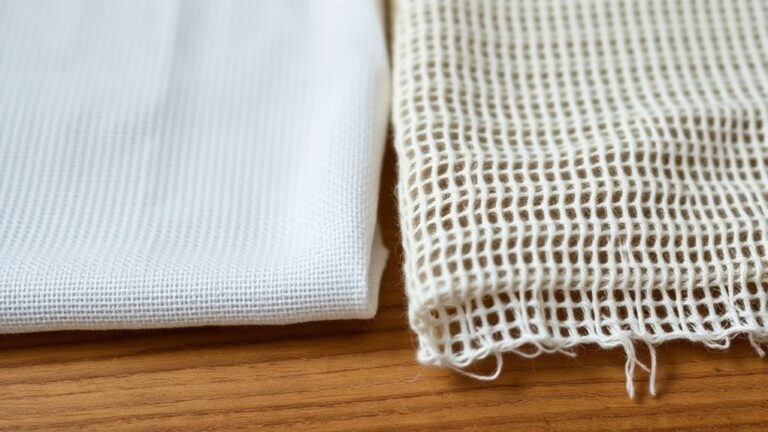
If you want structure, tighter constructions increase fabric stiffness and sharpen drape characteristics. Looser weaves move more freely, giving you better movement flexibility and a more relaxed fall.
The yarn type matters too, but the weave often decides whether a textile feels crisp, supple, or flowing. You’ll also notice that denser weaves tend to improve wear resistance, especially when the surface locks yarns in place and limits abrasion.
Woven Fabrics by Use
When you choose a woven fabric, its end use often matters more than the weave name alone. You’ll find that cotton canvas works hard in bags, workwear, and durable home projects, while silk organza adds crisp structure to formal fashion textiles.
For seating and heavy traffic, upholstery fabrics need abrasion resistance and stable construction. In sportswear or outdoor gear, performance fabrics and technical textiles help you balance strength, breathability, and function.
Decorative weaves can enhance curtains, cushions, and table accents without sacrificing style.
- Apparel: silk organza, shirting, suiting
- Home: upholstery fabrics, drapery, bedding
- Industrial: technical textiles, filters, reinforcement
- Sustainable: eco-friendly options, recycled blends
You can also match fiber choice to purpose, since cotton, silk, wool, and synthetics each serve different roles. By focusing on use first, you narrow options fast and keep your fabric choice practical, attractive, and fit for the job.
How to Choose the Right Weave
To choose the right weave, start by matching the fabric to its job, then narrow your options by drape, durability, texture, and care. If you want crisp structure, look for a tighter weave pattern like poplin or twill.
Match fabric to function first, then refine by drape, durability, texture, and care.
For flowing garments, choose something with softer drape, such as satin or gauze. Check fabric weight too: lighter cloth feels airy and suits linings or shirts, while heavier cloth handles jackets, bags, and upholstery better.
Feel the surface as well. A smooth weave works for polished looks, while a textured one adds interest and grip. If you need breathability, leave room between yarns; if you need strength, favor denser construction.
Always compare the weave pattern against your project’s movement, opacity, and wear. When you pick with purpose, you’ll end up with fabric that looks right, performs well, and supports the finished piece.
Caring for Woven Fabrics
Caring for woven fabrics starts with reading the care label, since the weave, fiber content, and finish all affect how you should wash, dry, and press the material. For best results, use gentle fabric maintenance tips and match your washing techniques to the cloth’s needs.
Crisp cotton can usually handle warmer water, while silk, linen, and wool need cooler settings and less agitation. You should also avoid overloading the machine, because crowded loads cause friction and wear.
- Wash similar weights together.
- Turn garments inside out.
- Use mild detergent only.
- Press with the right heat.
After washing, reshape items and dry them flat or hang them as directed. Don’t wring woven pieces, since that can distort the threads. When you iron, test a hidden spot first and use steam carefully.
With consistent care, you’ll keep woven fabrics looking sharp, feeling comfortable, and lasting longer.
Frequently Asked Questions
Which Woven Fabric Resists Wrinkles Best?
Polyester woven fabric usually resists wrinkles best, so you’ll get the highest wrinkle resistance from it. You can also look for tightly woven blends with polyester or nylon if you want easier fabric care.
Cotton wrinkles more, while wool and some synthetics hold their shape better. If you wash, hang, and store it well, you’ll keep the fabric looking smooth longer and cut down on ironing time.
Are Woven Fabrics Breathable in Hot Weather?
Yes, you can wear many woven fabrics comfortably in hot weather, but breathability depends on the weave and fiber. You’ll stay cooler in breathable materials like cotton, linen, or lightweight blends because air can move through them.
Tighter weaves trap more heat, so you’ll feel warmer. Pick loose, airy weaves and natural fibers, and you’ll usually get better comfort, better airflow, and less sweating.
Can Woven Fabric Stretch Without Spandex?
Yes, you can get a little give from woven fabric without spandex, though it won’t do a full-on limber dance. You’ll see woven elasticity in fabrics like denim, twill, or bias-cut cloth, especially when the weave, yarn twist, or finishing helps.
If you care for it well, fabric maintenance matters too, because washing and wear can either soften the fabric or let it lose its subtle stretch.
Which Weave Is Strongest for Upholstery?
Twill weave usually gives you the strongest choice for upholstery because you get great durability and better resistance to wear than plain weave. You’ll also find it handles heavy upholstery applications well, especially on sofas and chairs that see daily use.
In a durability comparison, twill often beats looser constructions, though tightly woven plain weaves can still work. If you want long-lasting fabric, pick a dense twill or basket weave.
How Do Woven and Knitted Fabrics Differ?
Woven fabrics interlace yarns at right angles, while you create knitted fabrics by looping yarns together. Don’t you want to know why that matters?
You get better woven durability because the structure resists stretching and fraying, but knits feel softer and stretchier. With different knitting techniques, you can build fabrics for sweaters, sportswear, or upholstery.
Conclusion
Now you know how woven fabrics work, from plain weave to satin and basket styles, and how each one changes texture, drape, and use. When you choose fabric, think about the look you want, the feel you need, and how you’ll care for it. That simple habit can save you time and money.
So pick wisely, enjoy the process, and keep your wardrobe in fighting trim, like a trusty knight’s armor made from the best woven fabric.