Types of Linen Fabric: Quick Guide
Choosing the perfect linen fabric can feel overwhelming, especially with so many options out there.
If you’ve ever struggled to find a balance between comfort, durability, and style, you’re not alone. Many people want linen that looks great and feels just right, but aren’t sure which type to pick.
Linen fabric comes in a few main types, and you can choose based on feel and use.
Pure linen gives you the most breathability, crisp texture, and durability, while linen blends add softness and easier care.
You’ll also find plain weave linen for everyday strength, loosely woven linen for airy drape, and damask for elegant patterns.
For bedding, towels, or upholstery, the right weave makes a big difference, and there’s more to discover.
Key Takeaways
- Linen is a flax-based natural fabric valued for breathability, strength, and cool comfort in warm weather.
- Pure linen offers maximum airflow and a crisp texture, while linen blends are smoother and easier to care for.
- Common linen weaves include plain weave, loosely woven linen, and damask, each creating a different look and feel.
- Linen should be washed gently, air-dried or low-heat dried, and pressed damp to help preserve its quality.
- Heavier or tightly woven linen works best for bedding, towels, upholstery, and elegant home textiles.
What Is Linen Fabric
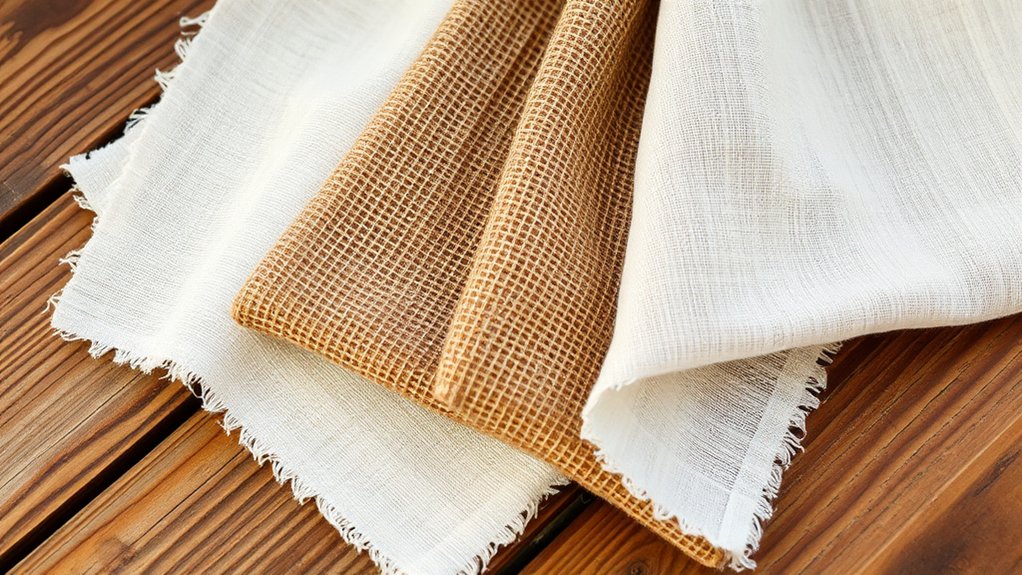
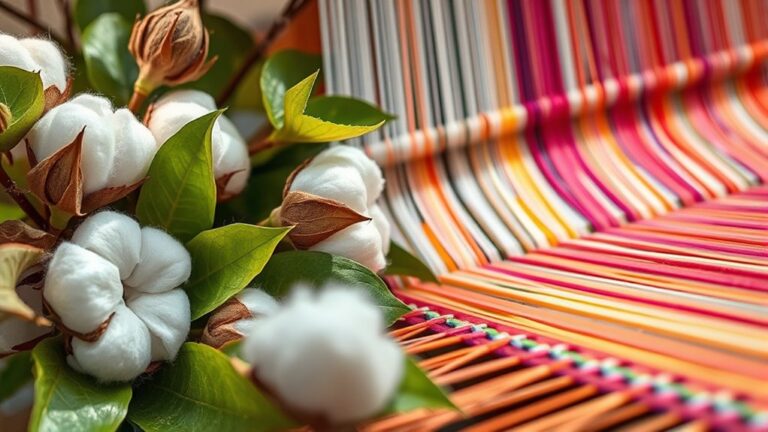
Linen is a natural fabric made from the fibers of the flax plant, and it’s known for being strong, breathable, and lightweight. You’ll often choose it when you want a crisp, cool feel that works well in warm weather.
Linen has a long linen history, stretching back thousands of years, and people have valued it for clothing, home textiles, and practical use. Its texture can feel slightly textured at first, but it softens with wear and washing.
Because it absorbs moisture well and lets air flow easily, you can stay comfortable without feeling weighed down. Good linen care helps preserve its look and strength: wash it gently, avoid harsh bleach, and dry it with low heat or air drying.
Linen keeps you cool by absorbing moisture and allowing air to flow freely.
If you press it while slightly damp, you’ll reduce wrinkles more easily. Understanding what linen is helps you choose it confidently for everyday use and long-lasting style, too.
Pure Linen vs. Linen Blends
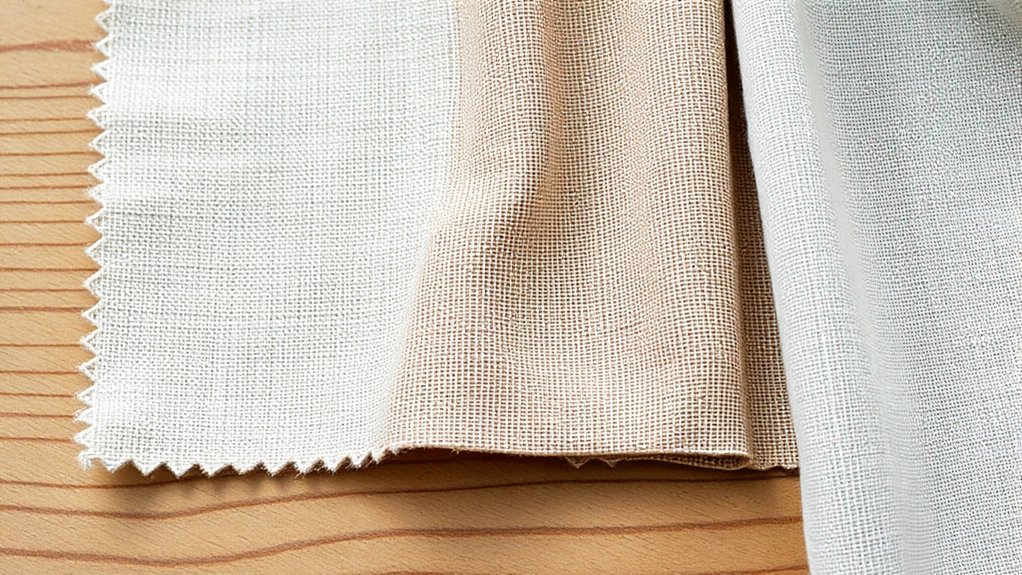
When you choose pure linen, you’re getting a fabric that feels crisp and breathes really well. Plus, it softens beautifully over time, which is a nice bonus. On the other hand, linen blends mix linen with other fibers like cotton or rayon. Because of that, you’ll notice some differences in texture, drape, and durability. Knowing these contrasts can really help you pick the option that fits your comfort and care needs best.
Pure Linen Benefits
Pure linen brings a crisp, natural feel that blended fabrics often can’t quite match. You get excellent breathability, so your skin stays cooler on warm days and more comfortable throughout long wear.
Because linen fibers are strong, your fabric holds up well over time, and it softens beautifully with each wash. That makes it a smart choice if you want sustainable linen that supports a more eco-conscious wardrobe.
You’ll also appreciate how linen resists pilling and dries quickly after cleaning, which simplifies linen care. Its texture adds relaxed elegance to shirts, dresses, bedding, and table linens.
When you choose pure linen, you invest in a fabric that feels refined, performs reliably, and ages with character rather than losing appeal.
Linen Blend Differences
Blends can change how linen feels, looks, and performs, so it helps to know what you’re getting before you buy. Pure linen gives you maximum breathability, a crisp texture, and that signature relaxed drape, but it wrinkles fast and can feel a bit stiff at first.
When you choose a linen blend, you trade some purity for easier care, smoother handfeel, and better shape retention. These linen blend characteristics often make the fabric softer and less prone to heavy creasing.
You’ll also notice different linen blend durability levels depending on whether the fiber is mixed with cotton, viscose, or polyester. If you want a more casual, low-maintenance option, blends can work well. But if you love natural texture and cooling comfort, pure linen stays hard to beat.
How Linen Fabric Is Woven
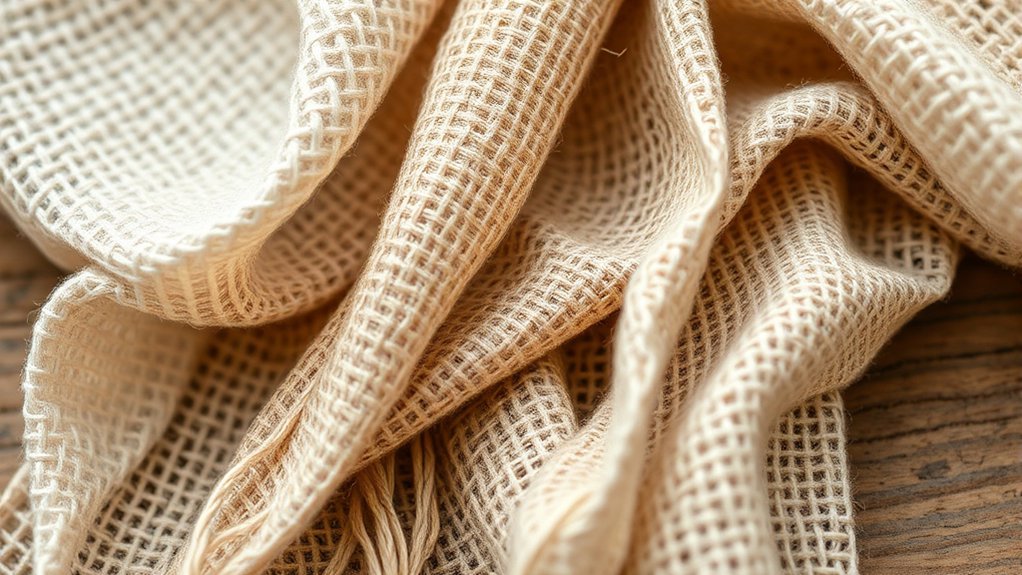
When you look at linen, you’ll notice warp and weft threads crossing each other in a tight plain weave structure. It’s a pretty simple setup, but that’s what gives the fabric its strength, texture, and breathable feel.
As the linen weaving process happens, those threads lock together, creating the crisp fabric you’re familiar with. It’s this neat interlocking that makes linen so durable and comfortable to wear.
Warp And Weft
Linen gets its signature strength and texture from the way the warp and weft threads interlace on the loom. You’ll notice that the warp runs lengthwise, holding steady tension, while the weft crosses through to build the cloth.
Those warp characteristics help linen stay firm and durable, even after repeated use. You can also spot subtle weft variations, which let makers adjust feel, drape, and surface character without losing linen’s natural crispness.
As the threads meet, they create a balanced fabric that breathes well and wears beautifully. You don’t just get structure; you get a textile that softens over time while keeping its integrity. This interplay gives linen its familiar look, touch, and reliable performance across many uses.
Plain Weave Structure
This balanced thread arrangement leads straight into linen’s plain weave structure, where the warp and weft cross over and under each other in a simple, regular pattern. You get a fabric that feels steady, looks crisp, and resists distortion because each thread supports the next.
That even interlacing creates plain weave advantages like strength, breathability, and a clean surface. You’ll also notice how the structure lets light pass through slightly while still holding its shape.
Those qualities explain many plain weave applications, from shirts and table linens to curtains and summer fabrics. When you choose linen with this weave, you’re choosing a dependable construction that balances texture, durability, and comfort without extra complexity.
Linen Weaving Process
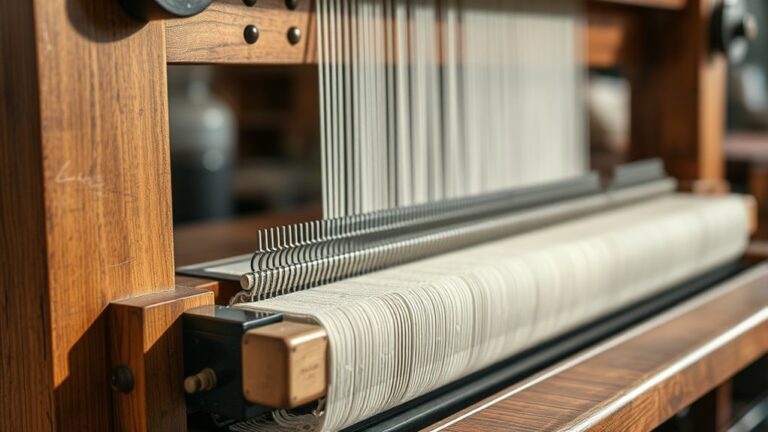
To weave linen fabric, manufacturers first prepare the flax fibers into yarn, then stretch the warp threads onto a loom and interlace them with the weft at right angles. You’ll usually see a plain weave, which gives linen its crisp feel and durable structure.
During weaving, the loom keeps tension steady so the yarns stay aligned and the fabric develops an even surface. Because flax fibers are long and strong, you get a cloth that resists wear while still breathing well.
This process connects directly to linen history, since artisans have used similar methods for centuries. It also supports linen sustainability, because flax grows with less water and fewer chemicals than many crops, making the finished fabric practical and eco-friendly.
Plain Weave Linen
Plain weave linen uses a simple over-under pattern that gives the fabric a balanced structure, crisp hand, and dependable durability. You’ll notice its plain weave characteristics right away: the surface looks clean, the weave stays even, and the cloth holds its shape well.
This makes it easy for you to sew, press, and care for in everyday use. Because of that stability, plain weave applications include shirts, summer dresses, napkins, tablecloths, and lightweight curtains. You can rely on it when you want a fabric that feels neat without appearing stiff.
It also pairs well with dyeing and printing, so you’ll find many colors and patterns in this category. If you need linen that balances comfort and polish, plain weave linen is a practical choice that works beautifully in clothing and home textiles alike.
Loosely Woven Linen
Loosely woven linen has a more open structure, with visible spaces between the yarns that give the fabric a breezier feel. You’ll notice its breathable texture right away, especially on warm days when you want fabric that lets air move freely.
Because the weave sits lightly on the body, it drapes with an easy, relaxed look that supports a casual style without trying too hard. You can wear it for shirts, summer dresses, light scarves, or laid-back home textiles when comfort matters most.
Lightly woven linen drapes with ease, creating a relaxed look perfect for casual, comfortable everyday style.
It’s a smart choice if you prefer materials that feel airy and informal rather than dense or rigid. Keep in mind that the open weave can snag more easily, so you’ll want to handle it gently and follow care instructions closely.
If you like linen that feels cool, soft, and uncomplicated, loosely woven linen offers a simple, comfortable option for everyday wear and relaxed interiors.
Damask Linen
Damask linen really stands out because you can see those intricate weave patterns that create a subtle, elegant look. It’s the kind of fabric that catches your eye without being too flashy. You’ll often find it used for fine tablecloths, napkins, and bedding—places where style really matters.
The woven designs give you a refined fabric that feels both decorative and timeless. So, whether it’s for a special dinner or just adding a touch of class to your home, damask linen does the job beautifully.
Damask Weave Patterns
With its elegant contrast of matte and lustrous threads, this linen weave brings decorative depth to fabric without relying on printed designs. When you look closely, you’ll see how a damask design repeats across the cloth, often forming graceful decorative motifs that seem to shift as light moves.
Because the pattern comes from weaving, not surface treatment, you get a refined look that stays woven into the linen itself.
You can spot mirrored patterns that add balance. You’ll notice subtle sheen that highlights raised areas. You get texture that feels rich without extra embellishment.
Damask weave patterns often use florals, scrolls, or geometric shapes, and they give your textile a classic, polished character.
Elegant Linen Uses
In elegant settings, damask linen adds a refined touch that feels both classic and purposeful. You can use it to create elegant tablecloths that enhance dinners, weddings, and holiday gatherings without looking overdone. Its patterned surface catches light softly, so your dining room feels richer and more inviting.
You can also hang it as sophisticated drapery when you want privacy, texture, and a tailored look in formal spaces. Because damask linen drapes smoothly, you’ll get clean lines and a polished finish. It works beautifully for accent pillows, runners, and upholstery details too.
Choose neutral tones for timeless appeal, or try deeper shades when you want drama. With damask linen, you bring understated luxury into everyday spaces and special occasions alike.
Best Linen Fabric for Bedding
When you’re choosing linen for bedding, look for a soft, medium-weight weave made from long-staple fibers, since it gives you the best mix of durability, breathability, and comfort. You’ll sleep cooler, and the fabric’ll soften with every wash. For the best fit, compare bedding threadcount with fiber quality, since linen’s performance depends more on yarn length and weave than a high number alone.
Also, check linen color options that suit your room, from crisp white to muted natural tones.
- Pick pre-washed linen for a gentler feel.
- Choose percale-like linen weaves for a smoother surface.
- Go for tightly woven sheets if you want extra longevity.
If you want bedding that feels relaxed yet polished, linen delivers. It drapes well, resists pilling, and gives you that lived-in look without sacrificing comfort. Stick with quality fabric, and you’ll enjoy sheets that keep improving over time.
Best Linen Fabric for Towels and Everyday Use
For towels and everyday use, you’ll want a linen fabric that’s absorbent, durable, and fairly heavy. A closer weave and thicker yarns help it handle frequent washing while still drying quickly.
You should look for medium-to-heavy linen with a smooth finish because it gives you better towel absorbency without feeling rough on your skin. This type of linen also keeps its shape, so you won’t see it sag or thin out as fast with regular use.
If you want kitchen towels, hand towels, or napkins, choose fabric that feels substantial but not stiff. You’ll get better everyday durability when the weave is tight and the fibers are well spun. Linen blends can work too, but pure linen usually performs best if you care about long-term use. Wash it gently, and it’ll soften over time while staying practical for daily tasks.
Heavyweight Linen for Upholstery
If you want linen that can stand up to daily wear, heavyweight linen is a strong choice for upholstery. You’ll appreciate its dense weave, which helps furniture keep its shape and resist scuffs better than lighter linens. Its natural texture also brings warmth and character to sofas, chairs, and benches without looking fussy.
Because it handles frequent use well, it suits busy homes and many upholstery styles. You get solid fabric durability for seating that sees constant use. You can pair it with modern, rustic, or classic interiors. You’ll notice it drapes smoothly while still feeling substantial.
Heavyweight linen can also soften with time, adding a relaxed look that many people love. If you want a fabric that feels sturdy and stylish, this option gives you both without sacrificing comfort.
How to Choose the Right Linen Fabric
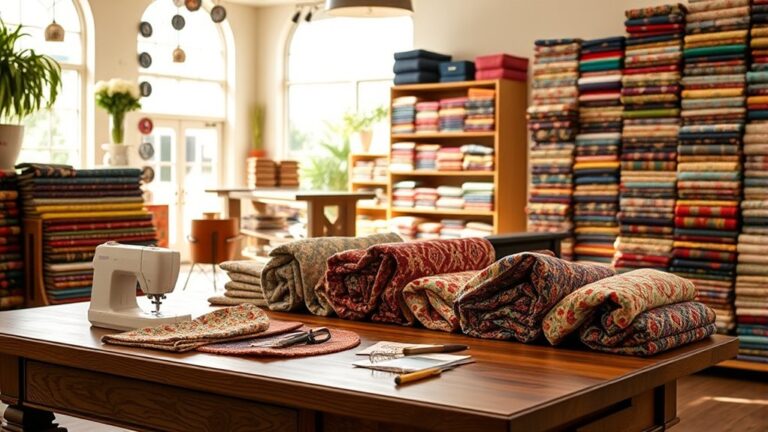
Choosing the right linen fabric starts with how you plan to use it, because the best option for a shirt, curtain, or sofa cover won’t be the same. For clothing, pick a softer, finer weave that drapes well and feels comfortable against your skin.
Choose linen based on use: softer, finer weaves suit clothing, while structure matters for décor.
For home décor, choose a medium or heavyweight fabric if you want more structure, opacity, and durability. Check the weave, thread count, and finish so you can match texture to performance.
If you care about the environment, look for sustainable linen made from flax grown with fewer inputs and processed responsibly. Also, think about maintenance before you buy. Some linens wrinkle easily, while others need more careful linen care, so choose a fabric that fits your routine.
Finally, request swatches when possible, since color, hand feel, and thickness can change in real use and help you avoid costly mistakes.
Frequently Asked Questions
How Do You Care for Linen Fabric Properly?
You care for linen by washing it gently in cool or lukewarm water, using mild detergent, and avoiding bleach. Follow smart linen washing techniques: skip high heat, choose a gentle cycle, and air-dry when you can.
For better linen maintenance tips, iron while it’s slightly damp, store it in a breathable spot, and don’t overcrowd the washer. Treat linen kindly, and you’ll keep it soft, strong, and beautiful for years.
Does Linen Fabric Shrink After Washing?
Yes, linen fabric can shrink after washing, especially if you use hot water or high heat drying. You’ll notice more shrinkage when the fibers relax and tighten during aggressive washing techniques.
To reduce shrinkage factors, wash linen in cool or lukewarm water, use a gentle cycle, and air-dry it when you can. If you handle it carefully, you’ll keep your linen looking great and fitting well.
Is Linen Fabric Suitable for Summer Clothing?
Yes, linen fabric is suitable for summer clothing, like a cool breeze on a hot day. You’ll stay comfortable because it has breathable properties that let air circulate freely.
It also offers strong moisture absorption, so it helps you feel drier when temperatures rise. You can wear linen shirts, dresses, or pants for a light, relaxed fit.
If you want easy summer style, linen’s one of your best choices.
How Can You Remove Wrinkles From Linen?
You can remove wrinkles from linen by lightly misting it with water and pressing it with a warm iron while it’s still slightly damp. For quick wrinkle removal, use steaming techniques on the garment while it hangs, holding the steamer a few inches away.
You can also smooth the fabric by hand after washing and line drying. Don’t over-dry it, and you’ll keep linen looking crisp with less effort.
Is Linen Fabric Eco-Friendly?
Yes, linen fabric can be eco-friendly when you choose it wisely. You’re supporting linen sustainability because flax uses less water and fewer pesticides than many crops, and the whole plant can be used.
Organic linen goes further by avoiding synthetic chemicals and often reducing environmental impact even more. You should look for certifications and responsible processing, since dyeing and finishing can still affect how green the fabric really is.
Conclusion
Now that you’ve examined the different types of linen fabric, you can choose the one that fits your life best. Whether you want breathable bedding, everyday towels, or upholstery tough enough to last ages, there’s a linen weave for you.
Pure linen gives you timeless quality, while blends offer easier care and added durability. With the right linen, you’re not just buying fabric; you’re bringing home comfort that feels almost magical. Choosing the perfect linen fabric means investing in style and lasting comfort.