What Is a Fabric Weight Chart?
Choosing the perfect fabric for your project can feel overwhelming, especially when you’re faced with so many options and unclear details. You’re not alone—many people struggle to understand fabric weights and how they impact the final look and feel. That’s where a fabric weight chart can make all the difference.
A fabric weight chart helps you compare fabrics by weight, usually in GSM or ounces per square yard, so you can pick the right material for your project.
You use it to see whether a fabric will feel light, medium, or heavy, and how that affects drape, warmth, opacity, and durability. It also helps you avoid guesswork when choosing fabric.
Once you know the basics, you’ll spot which numbers matter most for your needs.
Key Takeaways
- A fabric weight chart is a quick reference that compares fabrics by weight, usually in GSM or ounces per square yard. It helps you choose the right fabric by showing how weight affects drape, warmth, durability, and opacity.
- Fabric weight is measured in GSM or oz/yd², with higher numbers indicating heavier, denser fabric. Fabrics are commonly grouped as lightweight, medium-weight, or heavyweight based on their weight range.
- Reading the chart correctly requires checking units and considering fiber type, weave, and stretch for accurate comparisons.
What Is a Fabric Weight Chart?
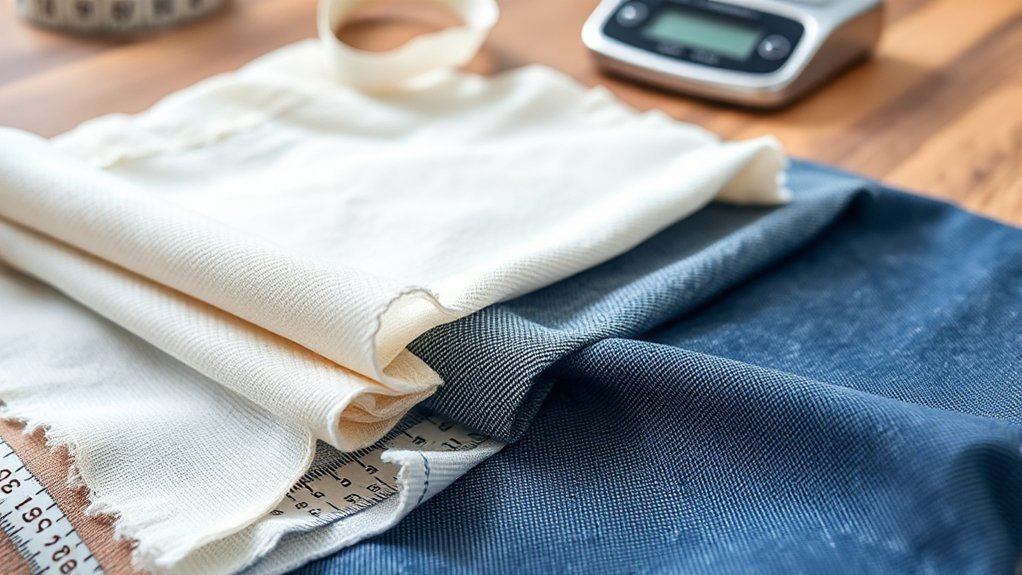
A fabric weight chart is a quick reference that shows how much different fabrics weigh, usually measured in grams per square meter (GSM) or ounces per square yard. You use it to compare fabric characteristics at a glance, so you can judge whether a material feels light, medium, or heavy before you buy or sew with it.
The chart helps you match fabric applications to the right cloth, whether you need airy fabric for summer shirts, sturdy material for jackets, or dense textile for upholstery. It also gives you a clearer sense of drape, warmth, durability, and opacity, which affect how your finished project looks and performs.
When you understand the chart, you can choose fabrics more confidently and avoid guessing. In short, it’s a practical guide that connects weight with real-world use, helping you pick the best fabric for your needs.
How Fabric Weight Is Measured
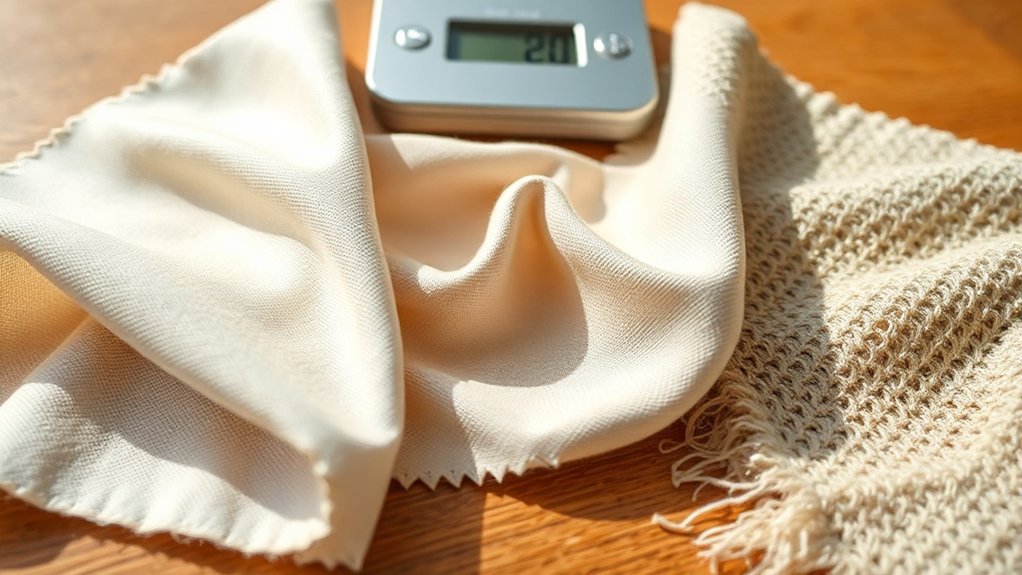
You can measure fabric weight in grams per square meter (GSM) or ounces per yard, depending on which system you prefer. To get an accurate result, you simply weigh a fabric sample and then compare it to its area. These measurements help you figure out how light or heavy a fabric really is.
Grams Per Square Meter
Grams per square meter, or GSM, measures how much a fabric weighs over a one-meter by one-meter area, giving you a quick way to compare material density and thickness. You can use it to judge whether a cloth feels light, medium, or substantial before you buy.
Higher GSM often means more body and durability, while lower GSM feels airy and flexible.
- Check labels for GSM.
- Match fabric thickness to your project.
- Compare similar fibers fairly.
- Notice how drape changes with weight.
- Choose comfort based on use.
When you understand GSM, you make smarter choices for shirts, curtains, towels, and upholstery. It helps you balance comfort, coverage, and performance without guessing.
Ounces Per Yard
Ounces per yard is another common way to describe fabric weight, especially in the textile and upholstery trade. You’ll usually see it written as oz/yd², which tells you how much one square yard of fabric weighs.
A higher number means the material is heavier, denser, and often more durable. That can affect fabric characteristics like drape, stiffness, opacity, and warmth. Lighter fabrics feel airier and work well for shirts, linings, and summer garments, while heavier fabrics suit jackets, denim, curtains, and upholstery.
When you compare fabrics, ounces per yard helps you match the right material to your fabric applications. It’s a practical measurement because it gives you a quick sense of performance, comfort, and structure before you choose a fabric for sewing or manufacturing.
Weighing Fabric Samples
To measure fabric weight accurately, you weigh a sample of known size and then calculate how much it weighs per unit area. You’ll get the most reliable result when you control sample preparation, because folded edges, stretch, and moisture can distort the reading.
Cut a flat swatch, trim loose threads, and use the same size each time. Then place it on a calibrated scale and note the weight. This tells you more about fabric density than guesswork ever could.
- Choose a clean, flat sample
- Keep the dimensions exact
- Zero the scale first
- Record the measurement right away
- Compare results across batches
When you repeat the process, you can judge consistency and compare fabrics confidently, whether you’re buying, sewing, or testing production lots.
Fabric Weight Units: GSM, Oz, and Yardage
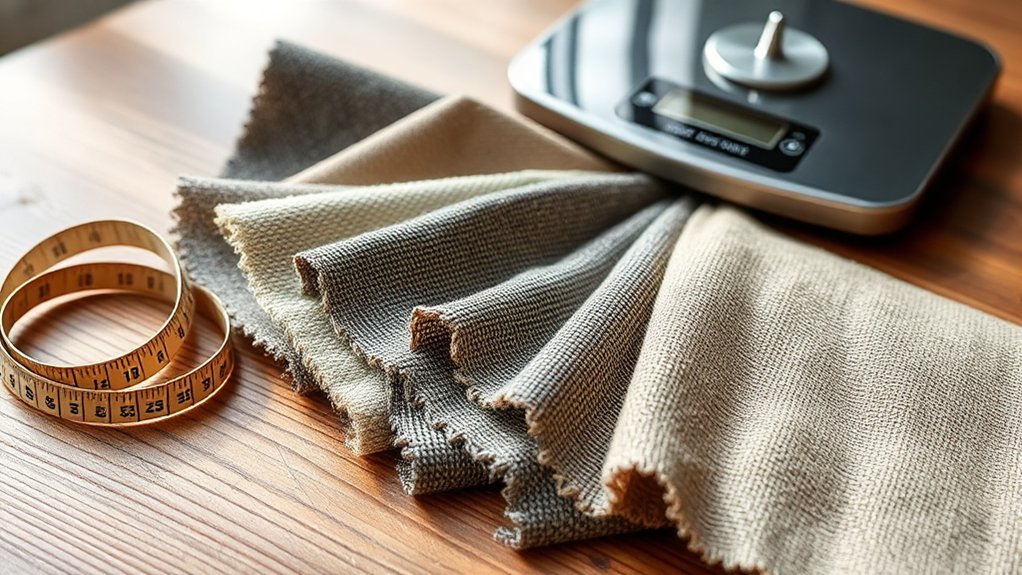
When you compare fabric weights, you’ll usually see three common measures: GSM, ounces, and yardage. GSM means grams per square meter, so you can judge density and drape across metric fabrics.
Ounces usually mean ounces per square yard, which helps when you shop in imperial units. Yardage sometimes appears in trade specs to show how much cloth you’re handling per linear yard, so you’ll need to confirm whether the figure refers to area or length.
Understanding these units shows fabric weight importance because the same fiber can feel light, medium, or heavy depending on the scale used. It also shapes fabric weight applications: you can match a material to apparel, upholstery, or technical use more confidently.
When you read a chart, keep the unit in mind first, then compare numbers only within the same system. That way, you’ll avoid mistakes and choose fabric with real precision.
Common Fabric Weight Ranges by Fabric Type
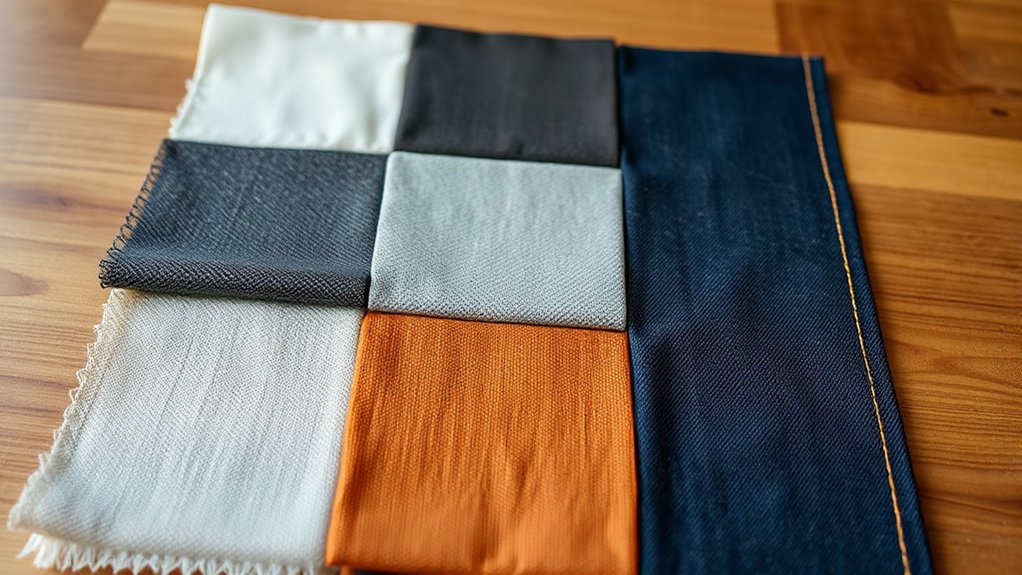
When you compare fabric types, you’ll notice clear weight ranges that really shape how each material feels and performs. Lightweight fabrics are great for airy, flexible projects because they move easily and keep things breezy. Then, there are medium-weight fabrics, which strike a nice balance between structure and comfort—perfect when you want something that holds its shape but still feels good.
On the other hand, heavyweight fabrics bring durability and warmth to the table, making them ideal for projects that need to stand up to wear and colder weather. Knowing these groups makes it easier to match the right fabric to your project, so you can get it done faster and with better results.
Lightweight Fabric Types
Lightweight fabrics typically fall at the lower end of the fabric weight chart, usually ranging from about 1 to 5 oz per square yard or roughly 30 to 170 gsm, depending on the fiber and weave. You’ll reach for these breathable materials when you want comfort without bulk.
They work well in garment types like shirts, scarves, and linings, and they also suit drapery options that need gentle movement. Consider:
- cotton voile for soft textures
- chiffon for airy fabric applications
- linen lawn for warm-weather seasonal fabrics
- silk blends for refined drape
- recycled polyester for eco friendly choices
Because these fabrics stay light, you can layer them easily and choose fabric blends that match your style. They’re ideal when you want ease, flow, and versatility.
Medium-Weight Fabric Types
Medium-weight fabrics sit in the sweet spot between airy and heavy, usually landing around 6 to 12 oz per square yard or roughly 170 to 400 gsm. You’ll often find cotton blends, stretch fabrics, and denim-like knits in this range, and they work well when you need balanced fabric thickness.
For garment applications, you can sew shirts, skirts, pants, and jackets with dependable structure and comfort. These seasonal fabrics also suit day-to-night wear because they breathe better than bulky textiles yet hold shape better than sheer ones.
In home projects, you can choose upholstery options or drapery choices that need moderate body. Strong sewing techniques help you manage seams, while fabric durability and color impact stay important when you pick prints, solids, or textured finishes.
Heavyweight Fabric Types
Heavy fabrics bring real heft to a project, usually starting around 12 oz per square yard and climbing well above 400 gsm, depending on the fiber and weave. When you compare heavyweight options, you’ll notice each one serves a different job:
Canvas fabrics give you durable bags, aprons, and work gear. Denim weights range from sturdy jeans to rigid jackets. Upholstery materials need density for sofas and chairs. Outdoor textiles resist wear, sun, and moisture. Quilt batting adds loft without much drape.
You’ll want to match weight to function because heavier cloth handles stress better but can feel stiff. If you’re sewing, upholstering, or layering, check the chart before you cut.
Why Fabric Weight Changes Drape and Feel
Fabric weight changes how a fabric moves because more mass usually means more pull, less bounce, and a denser hand. You’ll notice this in drape characteristics since heavier cloth hangs closer to the body and forms slower, deeper folds.
Lighter fabric often floats, skims, and responds quickly when you turn or stretch it, so it feels airy and lively. Those feel differences come from thickness, fiber content, and how tightly the yarns pack together, all of which affect how much the material resists motion.
When you touch a lighter weave, you may sense softness and flexibility; a heavier one can feel sturdy, substantial, and more controlled. That’s why two fabrics made from similar fibers can behave so differently on you.
The weight shifts the balance between movement and structure, changing not only how the fabric looks in motion but also how it sits against your skin and supports a garment’s shape.
How to Read a Fabric Weight Chart
When you read a fabric weight chart, the first thing to do is check the units. That’s important because grams per square meter, ounces per square yard, and other measures don’t match up directly. Next, take a look at the columns for fabric type, weight range, and any notes. This helps you compare materials accurately. By doing this, you can easily see how one fabric stacks up against another before you make your choice.
Understanding Weight Units
Before you can compare fabrics accurately, you need to understand the units on the chart. Weight may be listed in ounces per square yard (oz/yd²), grams per square meter (GSM), or, less commonly, momme. You’ll use these numbers to judge fabric density and make smarter weight comparisons.
Higher values usually mean a thicker, heavier cloth, while lower values suggest a lighter, more flexible material.
- oz/yd²: common in U.S. charts
- GSM: standard metric measure
- Momme: often used for silk
- Higher number: more mass per area
- Lower number: less mass per area
When you read units carefully, you can compare textiles without guessing. It helps you choose the right fabric for drape, durability, and comfort.
Reading Chart Columns
A fabric weight chart usually lists each material in columns so you can compare key details at a glance. You’ll often see the fabric name, weight unit, and weight value grouped together, plus notes such as width or finish.
Read each row across, not just down, so you don’t mix up similar numbers. Pay attention to fabric weight terminology, because terms like GSM, oz/yd², and oz/linear yd can mean different things.
If a chart includes conversions, use them to check accuracy before you compare. When comparing fabric weights, focus on the same unit throughout, since a number only helps when it’s measured consistently.
Clear columns make it easier to choose the right material without guessing or double-checking every detail.
Comparing Fabric Types
Once you know the chart columns, you can compare fabric types by looking past the names and focusing on weight, structure, and intended use. A cotton poplin and a denim may both be cotton, but their weights change how they perform.
You’ll spot differences faster when you match the number to the fabric uses and fabric applications you need.
- Light weights drape well for blouses and linings.
- Medium weights balance comfort and durability.
- Heavy weights hold shape for jackets and upholstery.
- Woven fabrics feel firmer than knits at the same weight.
- Finish and fiber content can change the final feel.
Use the chart to narrow choices, then test swatches for hand, stretch, and opacity before you decide.
Choosing the Right Fabric Weight for Your Project
Picking the right fabric weight starts with how you plan to use the material, since a lightweight cotton, medium-weight twill, and heavy canvas each perform very differently. Use these fabric selection tips: match drape, durability, and comfort to your pattern, then test a swatch before you commit.
Project suitability depends on how the cloth must behave in use, so think about fit, structure, and care.
| Project goal | Weight focus |
|---|---|
| Soft, flowing clothing | Lower weight |
| Everyday garments | Balanced weight |
| Structured accessories | Firmer weight |
| Upholstery or bags | Heavier weight |
When you compare options, ask whether the fabric can hold seams, shape, and wear without fighting your design. If you’re unsure, lean toward the weight that best supports the item’s function, not just its look.
That choice usually saves time, reduces frustration, and gives you cleaner results.
Lightweight, Midweight, and Heavyweight Fabrics
Lightweight fabrics feel airy and drape easily, midweight fabrics balance structure and flexibility, and heavyweight fabrics add stability and durability. You can use this simple divide to narrow options fast. When you compare fabrics, think about breathability factors, texture, and how the cloth moves against your skin.
Lightweight choices often suit warm days, while midweight options work well across seasons. Heavyweight fabrics can feel more substantial and give you a grounded look.
You can reach for voile, chiffon, or lawn when you want airiness. You can choose cotton twill or jersey for everyday versatility. You can pick denim, canvas, or wool when you want more heft.
You can use layering techniques to make lighter fabrics work longer. You can match the fabric’s feel to your comfort and style.
How Fabric Weight Affects Sewing Results
Fabric weight shapes every part of your sewing results, from how easily the fabric feeds through your machine to how the finished piece hangs and wears. You’ll notice that lighter fabrics can drape softly, while heavier ones hold structure and create sharper lines. That means your fabric choices should match the look and function you want. A breezy blouse, for example, needs different handling than a tailored jacket or tote.
Fabric weight also affects your sewing techniques. Thin fabrics may need finer needles, shorter stitches, and careful pressure control so they don’t pucker or stretch. Heavier fabrics often respond better to stronger thread, longer stitches, and slower stitching so layers stay aligned. When you match weight to pattern and method, you get cleaner seams, better shape, and more comfortable wear. In short, weight doesn’t just change the feel of the cloth; it changes how you work and how your finished project performs over time.
Common Mistakes When Reading Fabric Weight Charts
One common mistake is assuming every fabric weight chart uses the same scale. In fact, grams per square meter, ounces per yard, and other systems don’t translate directly without context. You can easily create fabric weight misconceptions if you skip the unit details, compare different fibers as if they’re identical, or ignore weave density. When interpreting fabric charts, you should check whether the chart lists finished fabric, raw material, or garment weight.
Don’t mix up GSM and oz/yd². Don’t assume heavier always means thicker. Don’t overlook stretch, drape, or coating. Don’t compare wool and cotton blindly. Don’t trust charts without source notes.
You’ll get better results when you match the chart to your project, then test a swatch. If a number seems off, pause and verify the measurement method. That quick check helps you avoid costly mistakes and choose fabric that actually performs as you expect.
Frequently Asked Questions
Does Fabric Weight Affect Washing Shrinkage?
Yes, fabric weight can affect washing shrinkage because heavier fabrics often hold more structure, while lighter ones may relax and shrink more. But you shouldn’t rely on weight alone; shrinkage factors like fiber content, weave, finishing, and washing method matter too.
You can compare weight categories to estimate behavior, yet always check care labels and prewash test pieces. That way, you’ll better predict how your fabric will react after laundry.
Can Fabric Weight Vary Between Fiber Blends?
Yes, you’ll find fabric weight can vary between fiber blends because each fiber changes how the yarn behaves. You may notice different fabric characteristics, even when two fabrics use the same weave or finish.
A cotton-poly blend can feel lighter or denser than pure cotton, and wool blends can shift too. You should always check the blend content because it affects drape, thickness, durability, and overall weight.
Is Fabric Weight the Same as Fabric Thickness?
No, you can’t treat fabric weight and fabric thickness as the same thing. You may find a heavy fabric that feels thin, or a light fabric that feels bulky because fiber type, weave, and finishing change how it behaves.
When you compare fabric weight, you’re measuring mass. Fabric thickness tells you how much space it takes up. Always check both if you want the right drape, warmth, or durability.
How Does Weave Type Influence Fabric Weight?
You’ll find that weave type changes fabric weight by altering how yarns pack together. Tighter weave patterns usually make a cloth denser and heavier, while looser ones keep it lighter and airier.
You also affect fabric drape, since some weaves hold shape and others flow more easily. If you compare the same fiber in different weaves, you’ll notice weight, feel, and structure can shift a lot, even when the yarn stays the same.
Where Can I Find Reliable Fabric Weight Charts?
You can find reliable fabric weight charts on textile supplier websites, fabric mills, sewing blogs, and university extension pages. You’ll get the best results from fabric weight resources that list GSM or ounces per square yard and explain how to compare materials.
To improve understanding fabric weight, check multiple sources, then match the chart to the fabric type you’re buying. Trusted retailers and manufacturers usually provide the most accurate data.
Conclusion
Now that you know what a fabric weight chart is, you can use it to choose fabric with confidence. Since GSM measures grams per square meter, even a small change can affect drape, feel, and sewing results.
For example, a 100 GSM shirt fabric feels much lighter than a 300 GSM denim, and that difference can completely change your project. Keep the chart handy, and you’ll avoid costly mistakes and get better results every time.
Using a fabric weight chart helps you make smarter fabric choices and ensures your projects turn out just the way you want.