What Is Sunbrella Fabric?
Finding outdoor fabrics that stay vibrant and durable despite harsh sun and rain can be frustrating. You’re not alone—many people struggle with materials that fade, wear out quickly, or lose their appeal after just one season.
That’s why choosing the right fabric matters so much for your outdoor cushions, awnings, or marine covers.
Sunbrella fabric is a solution-dyed acrylic textile you can trust for outdoor use. You get strong fade resistance because the color goes through each fiber, not just the surface.
It’s built to handle sun, rain, and everyday wear while staying looking clean and polished. You’ll often find it in cushions, upholstery, awnings, and marine covers.
If you keep going, you’ll see why it outperforms many other outdoor fabrics in comfort and durability.
Key Takeaways
- Sunbrella is a high-performance fabric made from solution-dyed acrylic fibers for outdoor and indoor use. It’s designed to handle the elements while looking great.
- It’s known for excellent fade resistance because the color runs through the yarn, not just the surface. That means the fabric stays vibrant longer.
- Sunbrella offers strong durability against sun, rain, UV exposure, and everyday wear. You can count on it to hold up in tough conditions.
- It is commonly used for upholstery, awnings, cushions, umbrellas, and marine covers. These fabrics protect and beautify many outdoor spaces.
- Sunbrella is easy to clean and maintain, making it a practical, long-lasting choice for outdoor areas. It keeps life simple while looking sharp.
What Is Sunbrella Fabric?
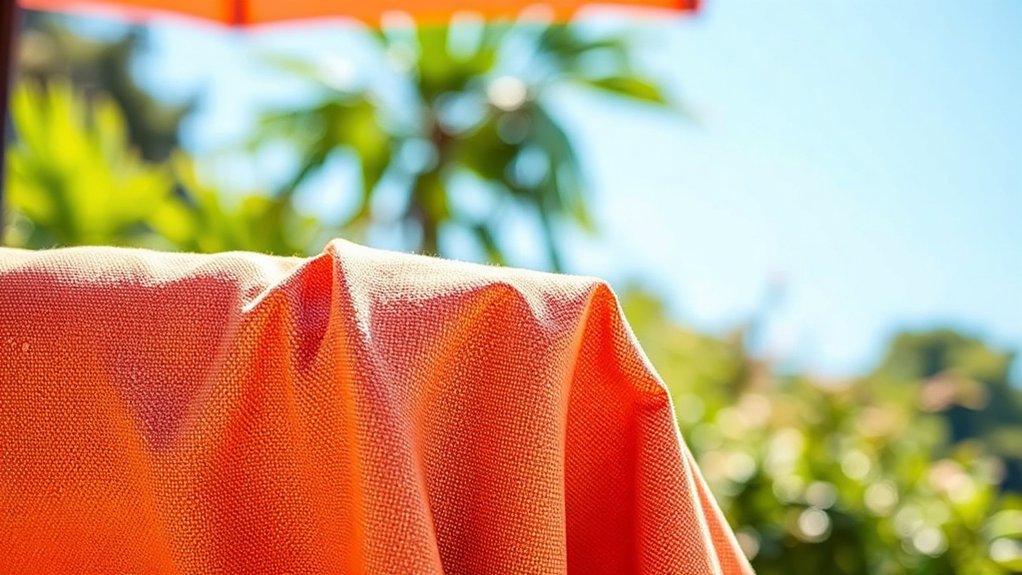
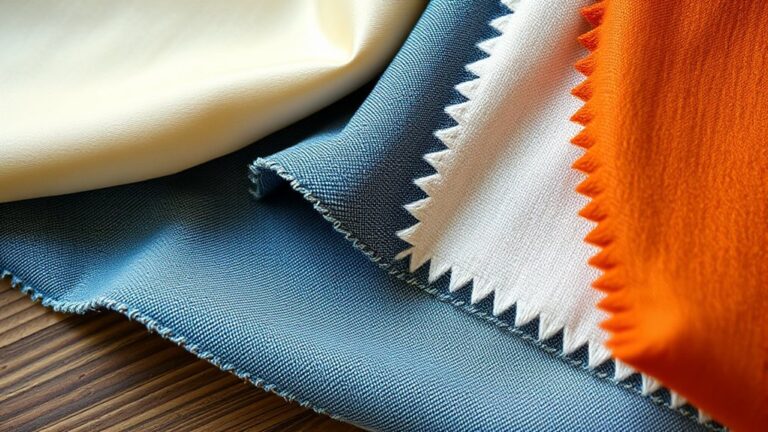
Sunbrella fabric is a high-performance textile made from solution-dyed acrylic fibers. It’s designed to stand up to sun, moisture, and everyday wear. You’ll see it used in upholstery, awnings, cushions, and marine covers because it holds its color and appearance over time.
When you investigate Sunbrella history, you’ll find it began as a practical answer to fabrics that faded or weakened too quickly outdoors. Over the years, Sunbrella innovations have expanded its uses and improved its consistency. This gives you a reliable option for many settings.
You can choose it when you want a fabric that looks polished and performs in demanding conditions. Unlike ordinary textiles, it’s engineered for long-term use, so you don’t have to replace it as often. If you’re selecting material for spaces exposed to the elements, Sunbrella gives you a trusted blend of style and function without extra maintenance hassle.
What Makes Sunbrella Different?

What makes Sunbrella stand out is how well it holds up to fading, even after being in the sun for a long time. Plus, you’ll notice it’s super durable against weather, resisting rain, moisture, and everyday wear. All of that together makes it a go-to option for outdoor use.
Fade Resistance
Unlike many outdoor fabrics that lose their color after a season or two, Sunbrella is built to keep its look longer because the color is locked into the fiber itself rather than added only to the surface. That means you get strong color retention and long-lasting vibrancy with less worry about dull, washed-out fabric over time.
| Feature | You Notice | Result |
|---|---|---|
| Solution-dyed fibers | Color runs through the yarn | Better color retention |
| Rich pigments | Shades stay bold | Long lasting vibrancy |
| Surface wear | Less obvious fading | Cleaner appearance |
| Regular use | Color holds up | Consistent style |
| Outdoor light | Fabric keeps its tone | Reliable look |
Weather Durability
When the weather turns harsh, this fabric is designed to hold up better than many standard outdoor materials. You get strong weather performance because it resists rain, sun, wind, and daily wear without losing its look or structure.
Its environmental resilience helps it cope with moisture, mildew, and temperature swings. So, you can use it outdoors with more confidence. That means less fuss and fewer replacements over time.
- It sheds water instead of soaking quickly.
- It stands up to UV exposure and heat.
- It resists mold and mildew in damp settings.
- It keeps performing through changing seasons.
You can rely on it for cushions, awnings, and covers when you want durability that lasts.
How Sunbrella Fabric Is Made

Sunbrella fabric starts with solution-dyed acrylic fibers, meaning the color is added before the yarn is even made. You then see those fibers spun into strong yarns, which are woven into a dense textile built for everyday use.
Because the pigment runs through each fiber, the material keeps a consistent look during manufacturing and beyond. Manufacturers often pair this process with sustainability practices, like reducing wasted dye steps and supporting efficient production.
You get a fabric that balances performance with fabric longevity, since the structure helps it hold up over time. After weaving, the material is finished and inspected for texture, strength, and uniformity.
That careful workflow gives you a reliable fabric for cushions, umbrellas, and outdoor furnishings without unnecessary bulk. Each stage aims to create a practical, long-lasting product you can trust in demanding settings.
Why Sunbrella Resists Fading
You’ll notice Sunbrella resists fading because its UV-stabilized fibers help block sun damage. Plus, the color goes all the way through the yarn since it’s solution-dyed, so it holds up better over time. On top of that, its fade-resistant construction adds another layer of protection that keeps the fabric looking vibrant.
UV-Stabilized Fibers
Because it’s engineered with UV-stabilized fibers, Sunbrella can take on intense sunlight without breaking down or fading as quickly as ordinary fabrics. You get stronger UV protection because its fiber composition helps block damage before it starts, supporting color retention and fabric longevity.
That means your cushions, awnings, and umbrellas stay attractive in outdoor applications longer, even in harsh weather.
- You spend less time replacing faded fabric.
- You keep your outdoor spaces looking fresh.
- You follow simple maintenance tips and avoid harsh cleaners.
- You reduce waste, which can improve environmental impact.
With this fiber technology, you’re choosing a material built to handle daily sun exposure while keeping performance steady and care straightforward.
Solution-Dyed Color
Instead of sitting only on the surface, Sunbrella’s color is solution-dyed, which means pigment is added to the fiber before it’s spun into fabric. You get rich color that runs through every strand, so everyday sun exposure doesn’t strip away the look you chose.
This solution dyed technology gives you colorfast performance you can trust on patios, cushions, and boats.
| Benefit | What You Notice | Feeling |
|---|---|---|
| Deep color | Less visible fading | Confidence |
| Even tone | Consistent look over time | Relief |
| Lasting vibrance | Your space stays inviting | Pride |
When you invest in Sunbrella, you’re choosing fabric that keeps its character, so your outdoor pieces stay beautiful season after season.
Fade-Resistant Construction
Sunbrella resists fading because its fibers are built to hold color under harsh sun, salt air, and daily wear. You get reliable color retention because the pigment runs through each fiber, not just the surface. That means UV rays can’t strip away the look as quickly, and you won’t need to replace fabric as often.
- The color stays locked in.
- The weave helps block harsh light.
- Salt and moisture won’t break it down fast.
- Less replacement lowers environmental impact.
When you choose Sunbrella, you’re choosing a fabric that keeps its appearance longer outdoors. You’ll notice the difference on cushions, umbrellas, and awnings that stay vibrant season after season.
How Sunbrella Handles Weather
When weather turns rough, Sunbrella stands up well thanks to its solution-dyed acrylic fibers. These fibers help it resist fading, moisture, and mildew. You get strong weather resistance because the fibers hold color throughout, so sunlight won’t quickly bleach the surface.
The fabric also supports moisture management by letting water bead and dry instead of soaking in. This helps reduce dampness and lingering odors. In windy or humid conditions, you can count on it to keep its shape without feeling heavy or waterlogged.
It also handles temperature swings better than many textiles, so you don’t have to worry as much about cracking, stiffening, or premature wear. Because it’s made for outdoor exposure, you can expect dependable performance through rain, sun, and daily changes in the forecast.
That means less upkeep for you and more time enjoying a fabric that stays looking and working well.
Common Uses for Sunbrella Fabric
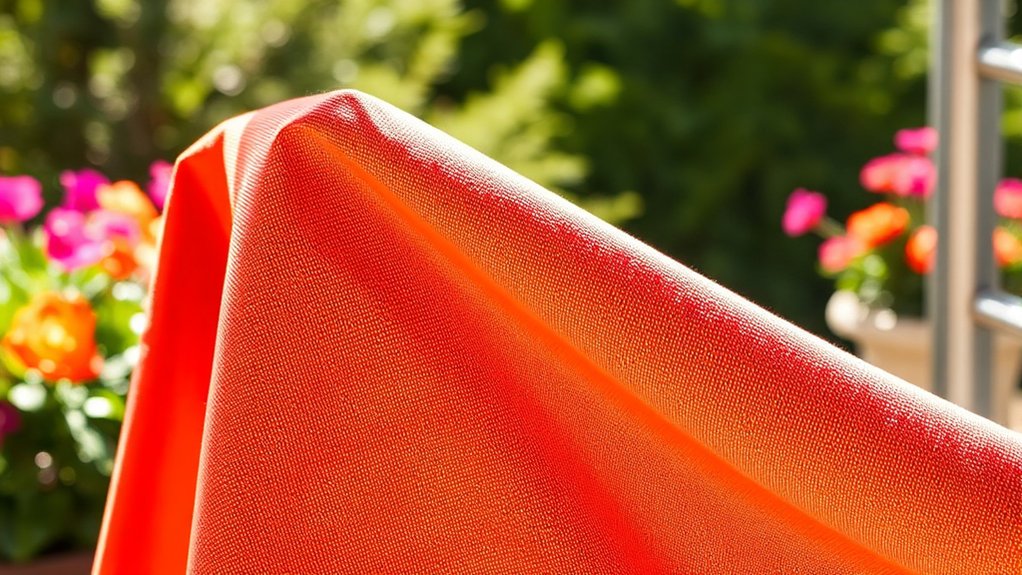
You’ll often use Sunbrella fabric for outdoor furniture covers because it helps protect cushions and seating from sun, rain, and everyday wear. Plus, it’s super durable, so your furniture stays looking good for longer.
It’s also a great choice for marine upholstery. When you need fabric that can handle moisture, salt, and constant exposure, Sunbrella really delivers. In both cases, you get something that’s not only tough but also easy to maintain—without giving up on style.
Outdoor Furniture Covers
Because outdoor furniture takes constant abuse from sun, rain, and dirt, Sunbrella fabric is a smart choice for protective covers that hold up well over time. You can shield chairs, tables, and loungers while keeping your space polished and inviting.
Its colorfast performance helps preserve outdoor aesthetics, so your patio still looks sharp season after season. You’ll also appreciate how easy fabric maintenance can be: just brush off debris, rinse, and let it dry.
- Protect cushions from fading and moisture
- Reduce wear from daily exposure
- Keep grime off before guests arrive
- Extend the life of your furniture
Marine Upholstery Applications
Sunbrella fabric isn’t just for patio covers; it’s also a top choice for marine upholstery, where sun, salt, spray, and heavy use demand more from every surface. You can use it for cockpit cushions, helm seats, sun pads, and cabin accents because it resists fading, mildew, and moisture better than many textiles.
On a boat, you need fabric performance that stays dependable through harsh weather and constant cleaning, and Sunbrella delivers that durability without sacrificing comfort. You’ll also appreciate how it keeps its color and shape, even after long days on the water.
When you choose it for marine upholstery, you get a cleaner look, less maintenance, and materials built to handle real boating conditions year after year.
Benefits of Sunbrella Outdoors
When you want outdoor fabric that can handle constant sun, Sunbrella stands out for its fade resistance, durability, and easy upkeep. You get reliable performance on patios, decks, and poolside spaces, so your furniture keeps looking sharp season after season. Its woven fibers help protect outdoor aesthetics while supporting fabric longevity, which means you won’t replace cushions as often.
- Color retention: you enjoy rich shades that stay vibrant longer.
- Weather resistance: you get fabric that handles sun and moisture well.
- Comfort: you can relax on material that feels soft, not stiff.
- Design flexibility: you choose from many patterns and textures for any space.
Because it balances style and strength, Sunbrella helps you create inviting outdoor areas without sacrificing practicality.
How to Clean Sunbrella Fabric
To keep Sunbrella fabric looking its best, start by brushing off loose dirt and rinsing the surface with cool water. Mix a few drops of mild soap with water, then scrub gently with a soft brush or sponge. Work in small sections so you can lift grime before it settles deeper into the fibers.
For stain removal, let the soap sit for a few minutes, then rinse thoroughly to avoid residue. If you face a tougher spot, repeat the process instead of using harsh cleaners or bleach, which can damage the finish.
After washing, let the fabric air-dry completely. You can also blot excess moisture with a clean towel to speed things up. These maintenance tips help you protect color, texture, and performance without much effort.
With regular care, you’ll keep your Sunbrella fabric fresh, clean, and ready for everyday use.
Sunbrella Fabric vs. Other Outdoor Fabrics
Compared with many other outdoor fabrics, Sunbrella stands out for its fade resistance, weather durability, and easy maintenance. When you do a durability comparison, you’ll notice it handles sun, rain, and mildew better than many acrylic blends and untreated textiles. You won’t need frequent replacements, so it often saves you money over time.
- You get color that lasts longer in direct sunlight.
- You can wipe spills away with simple maintenance tips.
- You avoid stiff, brittle fabric after wet weather.
- You enjoy a softer feel than many heavy vinyl options.
Other outdoor fabrics can work well for budget projects, but they may need more care and replacement sooner. If you want upholstery, cushions, or shade gear that stays attractive with less effort, Sunbrella gives you a strong balance of performance and convenience.
How to Choose Sunbrella Fabric
Now that you know how Sunbrella compares with other outdoor fabrics, you can narrow your choice based on how you’ll use it. Start by matching the fabric to the project: pick tighter weaves for cushions that get heavy use and softer styles for drapes or accent pieces.
Check the color options if you want a bold look or a neutral backdrop that blends in. Then compare texture varieties to find a finish that feels right in your space, since some fabrics feel smooth while others have more dimension.
You should also consider where the piece will sit, how much sun it gets, and how often you’ll clean it. If you need maximum durability, choose a heavier-weight Sunbrella fabric. If comfort matters most, prioritize hand feel and drape.
Frequently Asked Questions
Is Sunbrella Fabric Safe for Indoor Upholstery?
Yes, you can safely use Sunbrella fabric for indoor upholstery, and you’ll likely appreciate its indoor use and fabric durability. You’ll get a material that resists fading, stains, and everyday wear, so it works well on sofas, chairs, and cushions.
It isn’t toxic in normal home settings, but you should still choose a style you like and make sure the backing feels comfortable for your space and daily use.
Can Sunbrella Fabric Be Ironed Without Damage?
Yes, you can iron Sunbrella fabric, but you’ve got to be careful. Use low heat, and keep a pressing cloth between the iron and the fabric to prevent damage.
If you rush, you may ruin the finish and create shiny spots. For best fabric maintenance, skip direct heat when possible and follow dry cleaning methods or gentle steaming instead.
That way, you’ll keep the material looking sharp and lasting longer.
Does Sunbrella Fabric Come in Flame-Retardant Versions?
Yes, you can find Sunbrella fabric in flame-retardant versions, depending on the product line and intended use. You’ll want to check the exact spec sheet because not every style meets the same flame resistance properties.
If you’re choosing fabric for commercial or marine settings, look for options that match local outdoor safety standards. You can also ask the seller for test results before you buy.
Is Sunbrella Fabric Recyclable at the End of Use?
Yes, you can recycle some Sunbrella fabric, but it depends on your local programs and the fabric’s condition. You’ll usually need to check whether your recycler accepts solution-dyed acrylic textiles.
If not, you can repurpose it, donate it, or use take-back options when available. These sustainability efforts can lower environmental impact by keeping durable fabric out of landfills and extending its useful life through reuse or specialized recycling.
Can Sunbrella Fabric Be Customized With Prints or Logos?
Yes, you can customize it with prints or logos. For example, you might add your café’s logo to patio cushions for a branded look.
You’ve got several printing options, including digital printing and heat transfer, depending on the fabric and finish. Sunbrella can handle many custom designs, and you can work with a supplier to match colors, scale, and placement. That way, your project feels unique and professional.
Conclusion
So, when you choose Sunbrella fabric, you’re not just picking a material. You’re choosing something built to keep going when everything else starts to wear down.
You see the color stay bright, the texture hold strong, and the performance surprise you season after season. And that’s the real question: if fabric can outlast the weather, what else in your outdoor space could become possible with Sunbrella fabric?