What Is Duck Canvas?
If you’ve ever struggled to find a fabric that’s both tough and reliable for your projects, you’re not alone. Many people want materials that can stand up to daily wear and tear without losing shape or strength.
That’s why understanding fabrics like duck canvas can make all the difference.
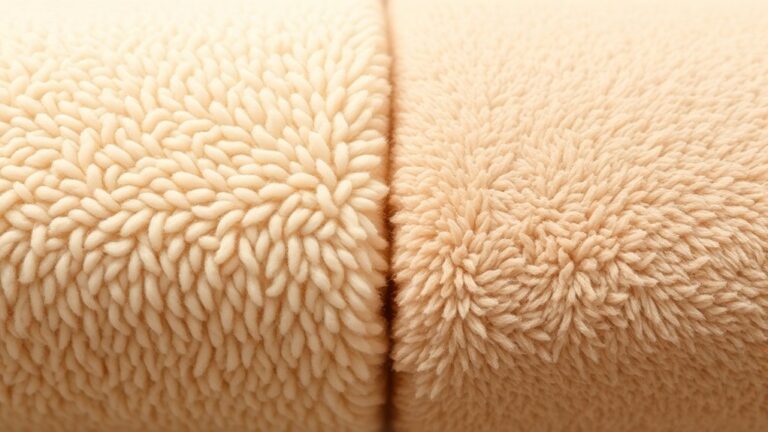
Duck canvas is a tightly woven, heavy cotton fabric that you’ll often choose when you need extra strength and durability. Unlike lighter canvas or twill, it has a denser plain weave that helps it hold its shape and resist wear better.
You’ll see it used for workwear, bags, tents, and home décor because it balances toughness with structure. It also offers light water resistance, and there’s more to know about its weights, care, and uses.
Key Takeaways
- Duck canvas is a tightly woven, heavy cotton fabric known for strength and durability. Its dense plain weave makes it tougher and more abrasion-resistant than many twills and lighter canvases.
- It is commonly used for workwear, bags, tents, cushions, and other rugged or structured items.
- Duck canvas offers light moisture resistance but is not fully waterproof. It’s easy to clean and versatile for printing, painting, and other custom fabric applications.
What Is Duck Canvas?

Duck canvas is a tightly woven, heavy cotton fabric known for its strength and durability. When you learn about duck canvas origins, you’ll find that the name likely comes from the Dutch word “doek,” meaning cloth. Over time, makers adapted it into a fabric valued for practical use.
Its duck canvas characteristics include a smooth, plain weave, a dense feel, and a surface that can handle demanding conditions without easily tearing. You’ll often choose it when you need material that stays dependable under stress.
Because it’s made from cotton, it also feels familiar and manageable while still offering impressive toughness. You can use duck canvas for bags, workwear, upholstery, and outdoor projects where resilience matters.
Made from cotton, duck canvas feels familiar yet tough enough for bags, workwear, upholstery, and outdoor projects.
Its tight weave helps it maintain shape, resist wear, and provide a sturdy base for construction. If you want a fabric that balances utility and reliability, duck canvas gives you exactly that.
Duck Canvas vs. Twill, Denim, and Canvas

When you compare duck canvas with twill, denim, and regular canvas, you’ll notice some clear differences in the weave structure. These differences really affect how each fabric looks and performs. Duck canvas tends to be tighter, heavier, and more durable. Because of that, it can handle tougher wear than many of the lighter options. That’s why people often pick it for workwear, bags, and gear that need a bit of extra strength.
Weave Structure Differences
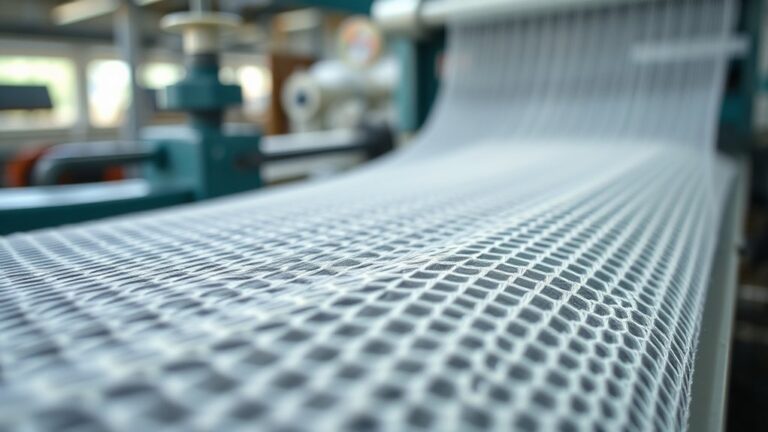
At the loom, duck canvas stands apart from twill and denim because it uses a plain weave, with each weft thread crossing over and under one warp thread in a tight, balanced pattern. You notice the difference in woven textures right away: duck looks even, while twill and denim show diagonal ribs.
- Duck canvas keeps a simple grid.
- Twill shifts the pattern for slanting lines.
- Denim uses twill, not plain weave.
- Standard canvas may vary, but duck stays more uniform.
That structure helps you see why fabric strength feels consistent across the surface. Because the threads interlock evenly, duck canvas resists distortion and holds shape cleanly. When you compare it with twill or denim, you’re really comparing weave geometry, not just appearance.
Durability And Weight
Because duck canvas packs more yarn into a tighter plain weave, you usually get a heavier, tougher fabric that resists abrasion better than standard canvas and often feels sturdier than many twills. In a weight comparison, duck canvas often lands above lighter twill shirtings and many denim weights, though heavy denim can rival it.
During durability testing, you’ll notice duck canvas keeps its shape and surface integrity longer because its dense construction spreads stress across more fibers. Standard canvas can vary widely, so you may find duck canvas more consistent from bolt to bolt.
Denim’s diagonal weave gives flexibility, but duck canvas typically offers firmer hand and higher puncture resistance. If you want a fabric that balances mass and toughness, duck canvas usually gives you a dependable middle ground.
Best Use Cases
Duck canvas shines when you need a fabric that can take abuse without feeling overly stiff. It’s a strong choice for workwear, bags, aprons, upholstery, and utility gear. You’ll find it outperforms lighter twill when you want more body, and it feels more practical than denim for heavy-duty tasks.
- Choose it for rugged fashion applications that need structure.
- Use it for crafting projects like tote bags and organizers.
- Pick denim when you want a softer, more familiar drape.
- Reach for standard canvas if you need broad versatility but not as much toughness.
For jobs that demand resilience and a clean finish, duck canvas gives you a dependable middle ground.
Common Duck Canvas Weights and Grades

Canvas in this category usually comes in a range of weights and grades, and the right choice depends on how you plan to use it. When you compare common weights, you’ll usually see lighter options for projects that need easier handling and heavier ones for tougher applications.
Lighter duck canvas works well when you want flexibility, while heavier grades suit jobs that need more structure and support. You’ll also notice grade differences between utility canvas and finer, more uniform cloth, so it helps to match the fabric to your project’s demands.
If you’re sewing bags, covers, or workwear, a midweight option often gives you a practical balance. For art, upholstery, or outdoor gear, you may prefer a stronger grade that feels substantial in your hands. By checking the label closely, you can choose a duck canvas that fits your needs without overbuying material you won’t use.
How Duck Canvas Gets Its Durability
Its durability comes from a tight plain weave that locks the yarns together and resists wear. You get a fabric that stands up because each thread supports the next, limiting snags and fraying.
Cotton fibers also help, since their natural strength gives you dependable abrasion resistance, especially when the cloth is woven densely. The finishing process can add more toughness without making the fabric stiff.
When you compare duck canvas, you should look at a few durability factors:
- Tighter weaves reduce gaps and slow surface damage.
- Heavier yarns increase strength and make tearing harder.
- Twill-free construction spreads stress evenly across the cloth.
- Protective finishes improve wear performance and moisture handling.
You’ll notice that these traits work together, so the fabric lasts longer under repeated handling. If you need material that keeps its shape and stays reliable, duck canvas gives you that balance of strength, stability, and practical endurance.
Common Uses for Duck Canvas
You’ll often reach for duck canvas when you need tough, reliable material for workwear like aprons, coveralls, and tool bags. It’s super durable, making it perfect for those heavy-duty jobs. Plus, it holds up well in outdoor gear such as tents, packs, and seat covers, so you know it can handle the elements. At home, it’s great for sturdy décor projects too, like cushions, curtains, and slipcovers. Basically, if you want something that lasts, duck canvas is a solid choice.
Workwear Applications
Duck canvas shows up most often in hard-use workwear because it stands up well to abrasion, repeated washing, and rough daily handling. You’ll notice it in pants, jackets, aprons, and coveralls because it keeps its shape while you move, bend, and lift.
As workwear trends shift toward durability and comfort, you still get a classic fabric that feels dependable. Recent fabric innovations also improve finishing and fit without losing that sturdy hand.
- Reinforced pants for daily labor
- Tough aprons for shop tasks
- Heavy jackets for layered wear
- Coveralls for all-over protection
You can rely on duck canvas when you need gear that works hard, looks practical, and lasts through demanding shifts.
Outdoor Gear Uses
For outdoor gear, duck canvas gives you the kind of rugged dependability that holds up in tents, packs, tool rolls, and field aprons. You’ll find it especially useful in camping gear because it resists abrasion, shrugs off rough handling, and stays steady in wet, dirty conditions.
In tent construction, it adds structure and helps you trust the seams and panels during long trips. You can also count on it for tarp use when you need a tougher cover for shade, storage, or ground protection.
Makers use it in outdoor apparel too, since it balances durability with comfort. With basic gear maintenance, you can brush off dirt, patch wear, and keep duck canvas performing trip after trip.
Home Décor Projects
Inside the home, duck canvas brings the same toughness to décor projects that it offers outdoors. You can turn it into durable home accents that handle daily wear without losing style. For easy DIY projects, it works well for pillow covers, tote bins, curtain panels, and slipcovers.
Consider these upholstery ideas when you want sturdy seating with a clean finish:
- Re-cover chair cushions for long-lasting support.
- Sew bench covers that match your color palettes.
- Make storage baskets for seasonal themes.
- Mix it with linen for texture combinations.
Because duck canvas comes in many fabric choices, you can find budget-friendly options that suit rustic, modern, or casual rooms. Its crisp surface helps your décor feel practical, polished, and personal.
Why Duck Canvas Works for Workwear
Because it balances toughness with comfort, duck canvas is a natural fit for workwear. You can wear it on job sites, in workshops, or outdoors because it stands up to repeated abrasion without feeling rigid all day.
Duck canvas delivers rugged durability and comfortable wear, making it ideal for demanding work environments.
Its tight weave helps your clothing keep its shape, so pockets, knees, and seams stay useful longer. That durability supports sustainability benefits since you replace garments less often and waste fewer resources over time.
Duck canvas also connects to historical origins, when workers needed fabric that could handle hard labor and daily strain. Today, you get that same practical performance in jackets, pants, aprons, and overalls.
If you need gear that moves with you while still looking sturdy, duck canvas gives you a dependable middle ground between comfort and rugged function. It’s a smart choice when you want apparel that works as hard as you do.
Duck Canvas Water Resistance
Duck canvas has a tight, water-repellent weave that helps shed moisture before it soaks in. You’ll find it handles damp conditions better than many lighter fabrics. That said, it’s not completely waterproof. How well it resists moisture really depends on the weave, the finish, and how long it’s exposed to water.
Water-Repellent Weave
When you need fabric that can shrug off light moisture, duck canvas stands out for its tightly woven structure. You’ll notice the yarns pack so closely that water beads on the surface instead of soaking in right away. That weave gives you dependable everyday protection without making the cloth feel stiff or plastic-like.
If you add a waterproof treatment, you can boost resistance while keeping some fabric breathability.
- Tight weave slows droplets.
- Dense fibers help block splash.
- Surface finish can improve repellency.
- Breathability stays better than coated synthetics.
You still shouldn’t expect it to act like rubberized gear, but for workwear, bags, and outdoor projects, duck canvas gives you a practical balance of toughness, comfort, and water-shedding performance.
Moisture Resistance Levels
Moisture resistance in duck canvas usually falls into a practical middle ground: it can handle light rain, splashes, and damp conditions, but it won’t stay dry in prolonged exposure. You’ll notice that tight weaving slows water entry, yet the cotton fibers still allow some moisture absorption over time.
If you need better protection, choose duck canvas with fabric treatments that boost water resistance without making the material too stiff. Even then, you should expect it to resist, not repel, heavy rain.
For outdoor gear, work aprons, or bags, that balance often works well. You can rely on duck canvas for everyday use, but if you’re facing wet weather often, adding a wax or finish helps extend performance and durability.
How to Care for Duck Canvas
To keep duck canvas looking good and lasting longer, brush off dirt regularly, spot-clean stains as soon as you notice them, and let the fabric air-dry completely after washing. Use gentle cleaning techniques so you don’t weaken the weave, and choose mild soap with cool water for routine washing. For tougher marks, focus on stain removal with a soft cloth instead of scrubbing hard.
- Shake out dust and grit after each use.
- Wash only when needed to preserve strength.
- Follow maintenance tips like checking seams and hems.
- Use storage suggestions that keep it dry, folded, and out of direct sunlight.
You’ll protect the fibers best if you avoid heat, bleach, and harsh detergents. Good care keeps duck canvas firm, clean, and ready for daily wear or heavy-duty jobs.
Printing, Dyeing, and Customizing Duck Canvas
If you want to print, dye, or customize duck canvas, start by remembering that its tight weave can affect how color and ink sit on the surface. You’ll get cleaner results when you prep the fabric first, because sizing or residue can block absorption.
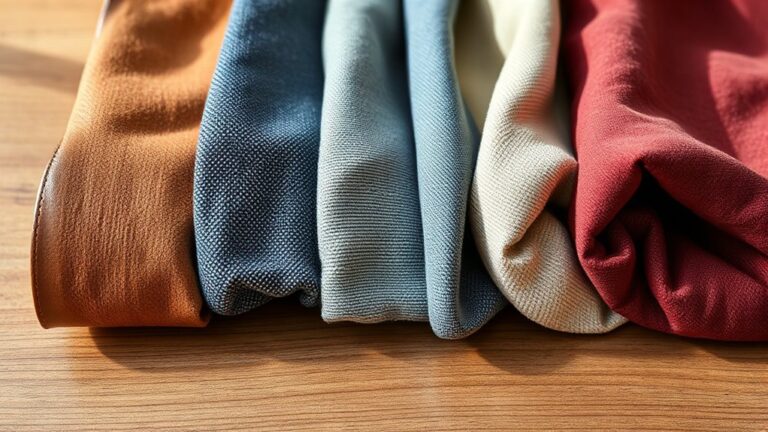
For dyeing, test a small swatch so you can see how the base tone changes the final shade. Natural fibers usually take color better than blends, and they give you more consistent custom color options.
When you print, choose printing techniques that match the texture and thickness of the cloth. Screen printing works well for bold designs, while heat transfer can suit smaller runs. You can also paint directly on duck canvas for hand-drawn details, but seal the surface if you want the image to last.
If you’re customizing for bags, panels, or decor, plan the finish before you begin so your colors stay crisp and your design stays durable.
How to Choose the Right Duck Canvas
Choosing the right duck canvas starts with matching the fabric’s weight and weave to your project. You’ll get better results when you compare fabric characteristics before buying.
Heavier duck canvas resists abrasion, holds structure, and suits bags, upholstery, or workwear. Lighter options feel easier to sew and drape better for aprons, linings, or decorative pieces. Consider these points:
- Check weight considerations, not just price.
- Test the weave density for durability.
- Match finish to your planned use.
- Buy a swatch if you need color accuracy.
If you want strength, choose a tighter, heavier cloth. If you need flexibility, pick a softer grade. You should also think about shrinkage and how the canvas will behave after washing or dyeing.
When you balance performance, comfort, and appearance, you’ll choose duck canvas that works the way you need.
Frequently Asked Questions
Is Duck Canvas Suitable for Outdoor Upholstery?
Yes, duck canvas can work for outdoor upholstery if you choose a tightly woven, treated version. You’ll want to check durability factors like thread count, weave density, and coating, since they affect how well it holds up.
Weather resistance matters too, because untreated duck canvas can soak up moisture and fade in sun. For best results, you should use a water-resistant finish and cover it during harsh weather.
Can Duck Canvas Be Sewn With a Regular Home Machine?
Yes, you can sew duck canvas with a regular home machine, though it may feel like your machine’s lifting a tiny mountain. You’ll get better results if you use strong sewing techniques and choose the right needle types, like denim or heavy-duty needles.
Go slowly, reduce thread tension if needed, and avoid forcing thick layers. With the right setup, you can stitch duck canvas neatly without turning your project into a wrestling match.
Does Duck Canvas Shrink After Washing?
Yes, duck canvas can shrink after washing, especially if it’s cotton and hasn’t had a pre-shrink treatment. You’ll want to check the washing instructions before you launder it because hot water and high heat can tighten the fibers.
If you’re making a project, prewash the fabric first so you don’t get surprised later. Air drying or using low heat helps you keep the size closer to what you planned.
Is Duck Canvas Available in Organic Cotton?
Yes, you can find duck canvas made from organic cotton, though it’s less common than standard cotton versions. You’ll get the usual organic cotton benefits, like reduced pesticide use and a softer environmental footprint.
When you choose it, you can use it for many duck canvas applications, including bags, upholstery, tents, and workwear. You should check labels carefully, because not every product advertised as eco-friendly is truly organic.
How Does Duck Canvas Compare to Sailcloth?
Duck canvas usually feels heavier and stiffer than sailcloth, so you’ll notice weight differences right away. You’ll also see durability factors vary: duck canvas resists abrasion well for workwear, bags, and upholstery.
Sailcloth is often lighter, smoother, and designed to handle wind, moisture, and flexing on boats. If you need rugged structure, duck canvas wins. But if you want low weight and weather performance, sailcloth’s the better choice.
Conclusion
So, when you choose duck canvas, you’re getting a tough, versatile fabric that can handle hard use without backing down. You’ve seen how it compares to twill and denim, why its weave makes it durable, and how to care for it so it lasts.
Whether you need it for bags, workwear, or upholstery, duck canvas pulls its weight. Now you can pick the right grade with confidence and make a smart choice when it comes to duck canvas.