Performance Fabric vs Microfiber: Key Differences
Choosing the right fabric for your upholstery can feel overwhelming, especially when you want something that looks great but also stands up to daily wear and tear. You’re not alone—many people struggle with finding that perfect balance between style, comfort, and durability.
That’s why understanding the differences between performance fabric and microfiber can make your decision a lot easier.
Performance fabric and microfiber both work well for upholstery, but they serve different needs. You’ll usually choose performance fabric for tougher, high-traffic spaces because it’s engineered for durability, abrasion resistance, and easy spill cleanup.
Microfiber feels softer and plusher, with a smoother look that suits cozy rooms and pet-friendly homes.
Microfiber can resist stains well, too, but performance fabric often lasts longer. If you keep going, you’ll see which one fits your space best.
Key Takeaways
- Performance fabric is engineered for heavy wear and spills, while microfiber is a soft, densely woven synthetic fabric.
- Performance fabric usually has a firmer, more structured look. Microfiber appears smoother, brushed, and more plush.
- Microfiber often resists stains well, but performance fabric relies on protective treatments that help liquids bead off.
- Performance fabric is typically more durable against abrasion, pilling, and fading than microfiber.
- Choose performance fabric for high-traffic homes and microfiber for a softer feel in cozier, lower-traffic spaces.
What Is Performance Fabric?

Performance fabric is a durable, high-performing textile designed to handle everyday wear, spills, and frequent cleaning better than standard fabrics. You’ll see it used when you need upholstery or soft furnishings that stay attractive under pressure.
Manufacturers design it with advanced fabric technology to improve stain resistance, abrasion resistance, and easy care. That means you can choose pieces for busy rooms without worrying as much about damage from kids, pets, or heavy use.
Advanced fabric technology boosts stain resistance, durability, and easy care for busy, high-traffic spaces.
In many performance applications, the goal is simple: help the material keep its look and feel longer while reducing maintenance. You can find these fabrics in sofas, chairs, cushions, curtains, and outdoor seating.
They often combine strength with comfort, so you don’t have to sacrifice style for practicality. When you want reliable performance in everyday spaces, this type of fabric gives you a smarter, more resilient option.
What Is Microfiber?

Microfiber is made from ultra-fine synthetic fibers, usually polyester, nylon, or a blend of both. You’ll often find it in upholstery, bedding, cleaning cloths, and activewear because it’s soft, durable, and easy to care for.
When you understand what it’s made of, it’s easier to see why it performs differently from other fabrics. Its unique fiber composition gives it those special qualities.
Microfiber Fiber Composition
Think of microfiber as a tightly spun blend of ultra-fine synthetic fibers, usually polyester, polyamide, or a mix of the two. When you compare fiber types, you’ll see that these strands are far thinner than standard yarns, which gives microfiber its smooth feel and dense structure.
That construction also explains many microfiber benefits, including softness, quick drying, and good stain resistance.
| Fiber type | Role |
|---|---|
| Polyester | Adds strength |
| Polyamide | Improves softness |
You’ll notice manufacturers can adjust the blend to change texture and performance. A higher polyester share often boosts durability, while more polyamide can make the fabric feel plusher.
Because the fibers are so fine, they pack tightly, creating a fabric that feels lightweight yet substantial.
Common Microfiber Uses
From upholstery to cleaning cloths, this fabric shows up in plenty of everyday products because it’s lightweight, durable, and easy to care for. You’ll often find it in sofas, recliners, bedding, and car interiors, where it resists wear and feels soft against your skin.
It’s also popular in towels and dusting cloths because it traps moisture and particles efficiently. These microfiber advantages make it a smart choice when you want comfort and function in one material.
- Sofa and chair covers
- Reusable cleaning rags
- Bedding and pillowcases
You can keep it looking good with simple microfiber maintenance: wash it gently, skip fabric softener, and dry it on low heat. That helps preserve performance and extends its life.
Performance Fabric vs. Microfiber at a Glance
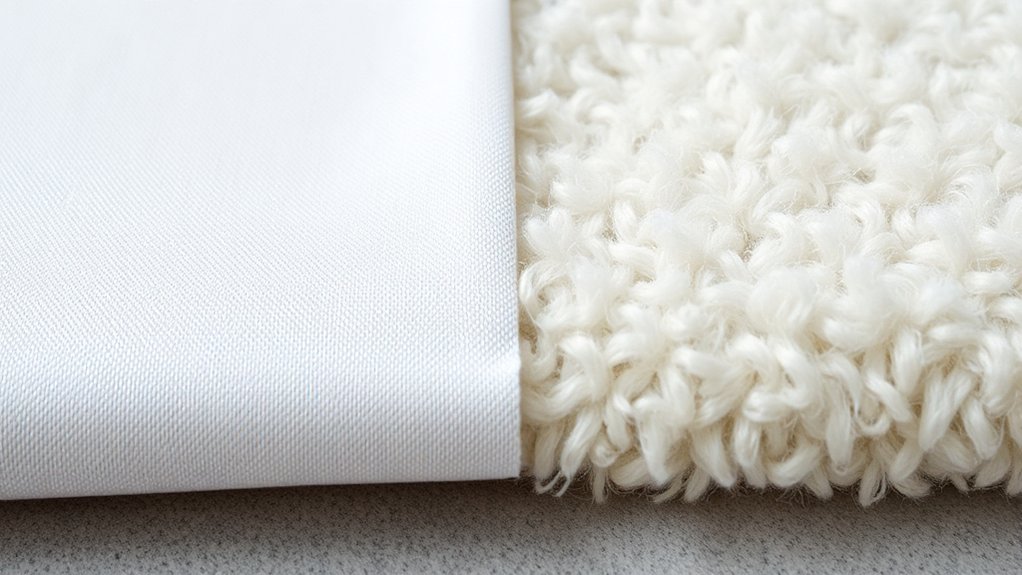
At a glance, performance fabric and microfiber may look similar, but they serve different needs. You’ll usually choose performance fabric when you want tougher everyday protection, while microfiber works well when you want a softer, lighter option.
Use these fabric maintenance tips to keep either one in shape: check care labels, blot spills quickly, and avoid harsh cleaners. In a durability comparison, performance fabric typically handles heavy use, frequent cleaning, and pet traffic better.
Microfiber can still last, but it often needs gentler care and less abrasion.
| Feature | Quick Take |
|---|---|
| Best use | High-traffic seating |
| Cleaning | Easy spot care |
| Durability | Usually stronger |
| Stain resistance | Often higher |
| Maintenance | Simple routine |
You should think about your space, habits, and budget before you decide.
How Performance Fabric and Microfiber Look and Feel
When you compare performance fabric and microfiber, you’ll notice clear differences in texture, sheen, and overall appearance. Performance fabric often looks more tailored and structured. On the other hand, microfiber usually feels smoother and softer to the touch. You’ll also see that the sheen and hand feel can shift depending on the weave and finish. It really just depends on what you’re looking for in feel and style.
Visual Texture Differences
Though both can feel soft, performance fabric and microfiber usually look quite different up close. You’ll notice performance fabric often shows tighter weaves, subtle texture variations, and a more structured surface that adds visual appeal in modern spaces. Microfiber usually looks smoother and more uniform, with a brushed finish that can read as velvety or matte.
Performance fabric may show woven patterns or slight crosshatching. Microfiber often appears sleek, dense, and nearly pattern-free. Under light, performance fabric can catch highlights differently, while microfiber tends to look evenly shaded.
If you want a room to feel tailored and polished, performance fabric often gives you more visual depth. If you prefer a cleaner, softer-looking finish, microfiber delivers a simpler, understated style.
Hand Feel Comparison
In your hand, performance fabric usually feels more structured and supportive, while microfiber tends to feel softer, smoother, and more plush. You’ll notice performance fabric keeps its shape, so your texture perception leans toward crispness and control.
Microfiber invites a gentler tactile experience, with a cushioned, cozy feel that many people prefer for lounging.
| Material | Hand Feel |
|---|---|
| Performance Fabric | Firm, responsive |
| Microfiber | Soft, velvety |
| Your Best Fit | Support or comfort |
If you want a surface that feels steady and durable, performance fabric delivers. If you’d rather sink into something pillowy, microfiber gives you that immediate softness. Neither feels rough, but each creates a different impression in your palm and against your skin.
Sheen And Softness
Beyond how they feel in your hand, performance fabric and microfiber also differ in sheen and softness. In a sheen comparison, performance fabric usually looks matte or lightly textured, giving you a clean, tailored finish. Microfiber often shows a faint glow that can appear richer in bright light.
Your softness experience changes too: performance fabric can feel smooth yet structured, while microfiber tends to feel plush and velvety.
- Performance fabric: crisp, modern, understated
- Microfiber: soft, cozy, slightly lustrous
- Your choice: sleek polish or cushioned comfort
If you want a fabric that looks refined and resists visual wear, performance fabric fits well. But if you prefer a warmer, more tactile surface, microfiber may suit you better.
Which Fabric Resists Stains Better?
When stains hit, microfiber usually has the edge because its tightly woven fibers make it harder for spills to soak in quickly. You’ll often notice better stain resistance on everyday messes like coffee, juice, or pet accidents, especially if you wipe them up fast.
Many performance fabrics also do well, but their results depend on the fabric treatment applied at the factory. A good treatment can help liquids bead on the surface, giving you more time to clean before a mark sets in.
Performance fabrics can resist spills well, especially when factory treatments help liquids bead on the surface.
If you want the easiest cleanup, check the care label and look for stain-resistant finishes designed for your lifestyle. Microfiber can still trap dust and oils, so prompt attention matters.
Performance fabric may offer broader spill protection, but the best choice for you depends on how the item was treated and how often you expect messes at home or in your everyday routine.
Which Fabric Is More Durable?
For durability, performance fabric usually has the advantage because it’s often engineered to handle heavy use, abrasion, and repeated cleaning without wearing down as quickly. You’ll usually get a tougher weave, stronger fibers, and better resistance to pilling, stretching, and fading.
In durability testing, performance fabrics often score higher because they’re built for busy households, pets, and high-traffic seating. That can extend fabric lifespan and help your furniture look newer for longer.
You sit on it every day and it keeps its shape. You notice less fuzzing along the cushions. You see fewer signs of wear at seams and corners.
Microfiber can still be durable, especially when it’s tightly woven and well made, but it may show texture changes sooner under constant use. If you want a fabric that stands up to life’s rougher moments, performance fabric usually gives you the longer-lasting edge.
How to Clean Performance Fabric and Microfiber?
You can keep both performance fabric and microfiber looking fresh by simply dusting them daily to remove loose dirt and debris. When spills happen, it’s best to spot clean right away using a gentle cleaner and a soft cloth. If you run into tougher buildup, just check the care label and follow the recommended deep cleaning methods that work best for the fabric.
Daily Dusting Basics
A quick daily dusting keeps both performance fabric and microfiber looking fresh and helps prevent dirt from settling into the fibers. Use gentle dusting techniques with the right dusting tools, and you’ll keep each surface neat without wearing it down.
A soft microfiber cloth, a clean dry duster, or a handheld vacuum with a brush attachment all work well for routine care. Move lightly and avoid pressing hard so you lift surface debris instead of pushing it deeper.
- Wipe along the weave in short strokes.
- Brush seats, cushions, and seams with care.
- Empty your tools often to keep them effective.
If you dust every day or two, you’ll reduce buildup and keep your upholstery ready for regular use.
Spot Cleaning Methods
When spills happen, blot them right away with a clean, dry cloth so they don’t soak into the fibers. Then mix a small amount of mild soap with water, dip a soft cloth into the solution, and gently dab the spot.
For performance fabric, work from the outside in to keep the stain from spreading. For microfiber, use light pressure and avoid saturating the area.
If you need better stain removal techniques, use a soft-bristled brush or white sponge as your cleaning tools, but test them on a hidden area first. Rinse the cloth, wipe away soap residue, and let the spot air-dry.
Don’t rub hard, and don’t use harsh chemicals, since they can damage the fabric or leave a mark.
Deep Cleaning Care
For deeper cleaning, start by checking the care tag and the manufacturer’s instructions. Some performance fabrics and microfiber finishes need different methods. If the label allows, vacuum first to lift grit, then use a mild soap solution or upholstery cleaner with a soft cloth.
Test a hidden spot before you scrub, and don’t soak the material. Use these deep cleaning techniques regularly to protect the weave and color.
- Blot stains, never rub them hard
- Rinse lightly with a damp cloth
- Let the fabric air-dry completely
For microfiber, a soft brush can restore texture after drying. These maintenance tips help you avoid damage, keep the surface fresh, and extend the life of both fabrics without overcomplicating your routine.
Best Uses for Performance Fabric
Performance fabric shines in spaces and situations where durability, stain resistance, and easy cleanup matter most. You’ll get the best results in busy family rooms, dining areas, home offices, and outdoor seating, where spills, pet hair, and daily wear are constant.
Performance fabric is ideal for busy spaces where durability, stain resistance, and easy cleanup matter most.
It also works well on sofas, sectionals, accent chairs, ottomans, and cushions that need to stay attractive with minimal effort. If you host often, performance fabric helps you protect your investment without stressing over every accident.
When you compare performance fabric applications with microfiber advantages, you’ll see that performance fabric often wins when you need broader versatility and tougher protection. Choose it for high-traffic zones, kids’ spaces, vacation homes, and rental properties where upkeep has to stay simple.
You can also use it on upholstery exposed to sunlight or frequent use. In short, performance fabric fits places where practicality matters more than a delicate feel.
Best Uses for Microfiber
Microfiber works best in spots where you want a soft feel, low maintenance, and everyday comfort without a lot of fuss. You can use it on sofas, chairs, and ottomans when you want a cozy look that still handles daily lounging well.
Its microfiber benefits show up in family rooms, guest rooms, and apartments where you need easy upkeep and a smooth touch. Common microfiber applications include:
- A living room couch that feels inviting after work
- A bedroom bench that adds texture without bulk
- A pet-friendly chair that’s easy to refresh
You’ll also like microfiber for sectionals, recliners, and accent pieces because it brings a polished finish without demanding much attention. If you want fabric that feels soft and works hard in busy spaces, microfiber gives you practical comfort and a versatile style that fits everyday life.
How to Choose the Right Fabric for You
When you’re choosing between performance fabric and microfiber, think first about how you live in the space. If you have kids, pets, or frequent guests, performance fabric often makes more sense because it resists stains, fading, and wear. If you want a softer, cozier feel for low-traffic areas, microfiber can be a smart pick.
Consider your lifestyle honestly: Do you eat on the sofa? Do you need easy cleanup? Do you prefer a sleek look or a plush touch?
Then compare care needs. Performance fabric usually handles spills and routine cleaning well, while microfiber needs gentler attention to keep its texture intact. Use fabric maintenance tips like checking cleaning codes, vacuuming regularly, and blotting spills right away.
Also, test swatches in your home lighting, since color and texture can change throughout the day. The right choice balances comfort, durability, and how much upkeep you’re willing to do over time.
Frequently Asked Questions
Which Fabric Is Better for Homes With Pets?
For homes with pets, you’ll usually do better with performance fabric. It often wins the durability comparison because it resists scratching, wear, and frequent cleaning better than many microfiber options.
You’ll also like its stain resistance since spills, mud, and pet accidents wipe up more easily. Microfiber can still work well, but if your pets are active, performance fabric’s toughness and easier maintenance make it the smarter choice.
Are Performance Fabrics Environmentally Friendly?
Yes, you can find performance fabrics that are more eco-friendly, but it depends on the fiber and finish. You’ll see that about 60% of textile waste still ends up in landfills, which makes sustainability practices matter.
You should look for recycled content, low-impact dyes, and certified materials. Recycling options are growing, but not every performance fabric can be easily recycled, so check labels before you buy.
Can Microfiber Cause Allergies or Skin Irritation?
Yes, microfiber can sometimes cause microfiber allergies or skin irritation if you’re sensitive to the fabric, dyes, or finishing chemicals. You might notice itching, redness, or dryness after contact.
Washing new items before use can help reduce residues that trigger reactions. If your skin still reacts, you should avoid direct contact, choose hypoallergenic covers, or wear a layer between your skin and the microfiber to stay comfortable.
How Do These Fabrics Compare in Price?
You’ll usually pay more for performance fabric than microfiber, so your cost comparison often favors microfiber upfront. However, you should also think about fabric durability, since performance fabric often lasts longer and handles stains better.
Microfiber gives you a lower starting price, while performance fabric can save you money over time if you want fewer replacements. In short, you’re choosing between cheaper initial cost and stronger long-term value.
Do Performance Fabrics Fade in Direct Sunlight?
Yes, you can expect better fade resistance from many performance fabrics, but it depends on the material and dye quality. If you place your furniture in strong sunlight exposure, some colors may still lighten over time.
You’ll get the best results by choosing UV-treated fabrics and rotating cushions when possible. You should also use blinds or covers to reduce damage, since even durable fabrics aren’t completely immune to sun.
Conclusion
When you’re choosing between performance fabric and microfiber, think about how you live every day. If you need tough, easy-care upholstery that stands up to spills and heavy use, performance fabric is often your best bet.
If you want a soft, cozy feel at a budget-friendly price, microfiber can be a great fit. Either way, you’re picking a fabric that works hard for you because your home shouldn’t feel like a battlefield.
In the end, choosing between performance fabric and microfiber means finding the right balance of durability and comfort for your lifestyle.