5 Key Differences: Performance Fabric Vs Leather
Choosing the right material for your furniture can feel overwhelming, especially when you want something that’s both stylish and practical.
If you’ve ever struggled to decide between performance fabric and leather, you’re not alone. Many people face this dilemma, trying to balance comfort, durability, and cost without sacrificing style.
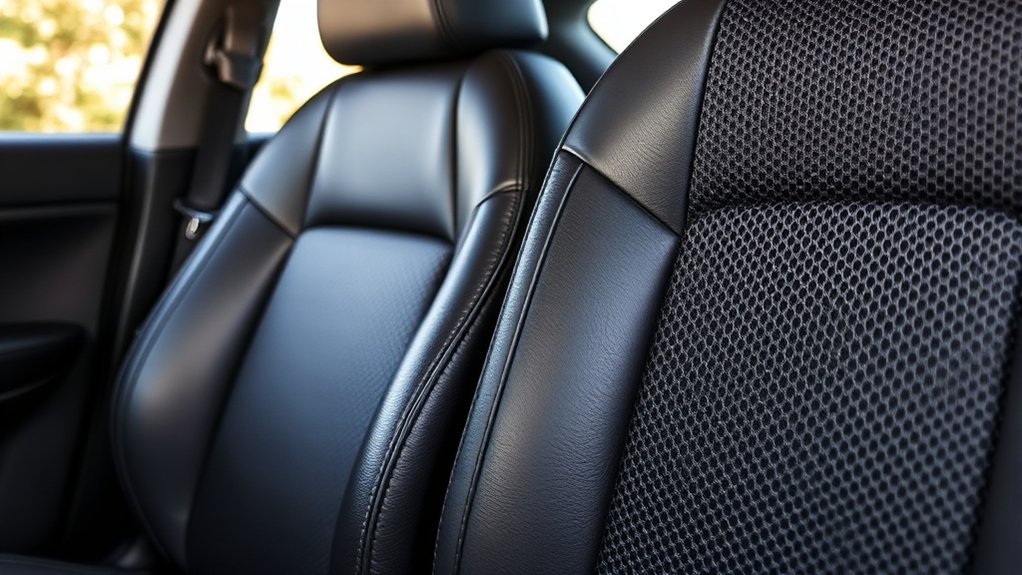
Performance fabric and leather differ in comfort, durability, cleaning, style, and cost. You’ll usually find performance fabric softer, warmer, and easier to clean, making it great for busy homes and everyday use.
Leather feels smoother and more polished, and it often lasts longer with proper care, but it needs more maintenance and costs more upfront.
If you want a budget-friendly, low-fuss option, fabric wins; if you want lasting style, leather often does. The details get even clearer next.
Key Takeaways
- Performance fabric feels softer and warmer, while leather feels smoother, firmer, and often cooler at first.
- Leather usually lasts longer, while performance fabric may show wear sooner in high-traffic areas.
- Performance fabric is typically easier to clean; leather needs gentler care and regular conditioning.
- Leather offers a sleek, polished look, while performance fabric feels softer and comes in more styles.
- Performance fabric is usually cheaper upfront, but leather may deliver better long-term value.
Performance Fabric vs Leather at a Glance

When you compare performance fabric vs leather at a glance, the biggest differences come down to comfort, durability, upkeep, and style. You’ll usually find performance fabric feels softer and more breathable, so it suits everyday lounging and warmer rooms.
Leather delivers a sleek, polished look that can enhance your space fast. You may prefer its classic appeal if you want a more refined finish. Cleaning also feels different: performance fabric often handles spills with less stress, while leather typically needs gentler care and regular conditioning.
If you’re weighing a cost comparison, performance fabric often starts lower, though the right leather piece can justify its price with design impact. You should also think about sustainability factors, since material sourcing, processing, and replacement habits all affect your choice.
In short, you’re balancing comfort, maintenance, appearance, and values.
Which Material Lasts Longer?

Longevity often comes down to how you use the piece and how much care you give it, but leather usually has the edge in long-term durability. You’ll often see it age slowly, building character instead of breaking down quickly.
Performance fabric can hold up well too, especially if you choose a high-quality weave, but it may show wear sooner in high-traffic spots. In a durability comparison, leather often wins for decades of use, while performance fabric offers solid life at a lower upfront price.
Your best choice depends on how hard you’ll use the item and how much wear you expect over time.
- Leather resists stretching and sagging better.
- Performance fabric can handle daily use well.
- Heavy use may affect fabric fibers faster.
- A cost analysis should include replacement timing.
How Easy Are They to Clean?
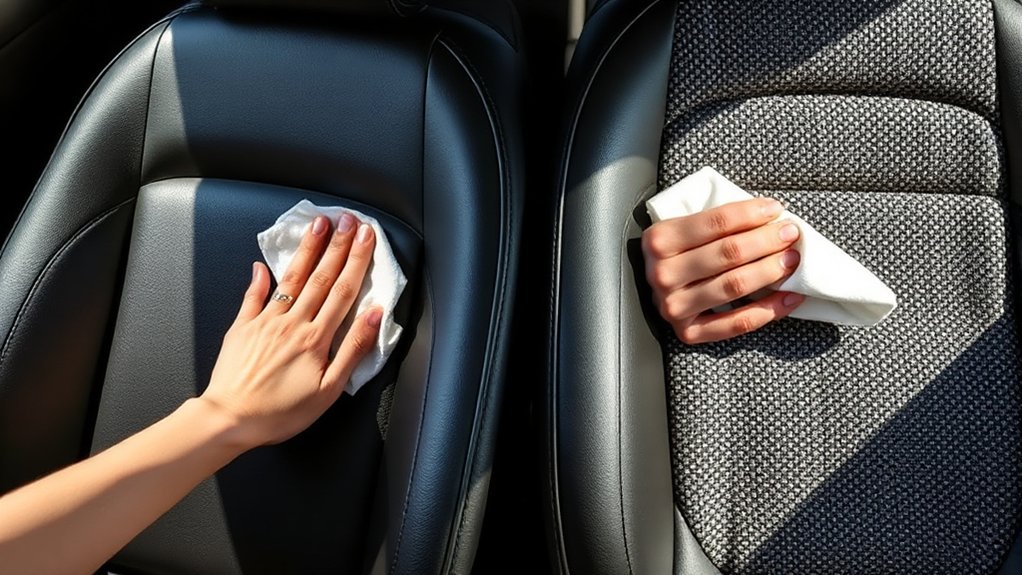
Cleaning is usually easier with performance fabric because many options are treated to resist stains and wipe down quickly with a damp cloth or mild cleaner. You can tackle spills fast before they set, and that stain resistance helps you keep the surface looking fresh with less effort.
For routine care, vacuum crumbs, brush away dust, and spot-clean trouble areas as needed. If the fabric has a care label, follow it closely so you don’t damage the finish.
Leather also cleans up well, but you need a gentler approach. You should wipe it with a soft cloth, use a leather-safe cleaner, and avoid soaking the surface.
Harsh chemicals can dry it out or dull the finish, so your maintenance tips should always include conditioning when recommended. In daily use, performance fabric usually asks for less caution, while leather rewards careful upkeep.
If convenience matters, you’ll likely find performance fabric simpler to manage overall.
Which Feels More Comfortable?
Comfort matters just as much as upkeep, and the feel of performance fabric vs. leather can shape how you enjoy a sofa or chair every day. You’ll usually notice performance fabric feels softer, warmer, and more forgiving the moment you sit down.
It cushions pressure well, so you can linger longer without feeling stuck to the surface. Leather feels smoother and firmer, and it can feel luxurious, but it may seem cooler at first touch and less cozy in some settings.
Performance fabric often offers better breathability comparison. Leather can feel sleek, supportive, and refined.
Temperature regulation matters if you sit for hours. Your personal preference decides which texture wins.
If you want a couch that invites lounging, fabric often feels friendlier. If you like a crisp, polished touch, leather may suit you better.
Which Is Better for Your Home?
The better choice for your home depends on how you live day to day. If you’ve got kids, pets, or frequent guests, performance fabric usually fits better because it resists stains, hides wear, and feels soft and inviting. You can relax without worrying about every spill.
Performance fabric fits busy homes best, with stain resistance, soft comfort, and everyday peace of mind.
Leather works well if you want a polished look and easy wipe-down cleanup. It often brings stronger aesthetic appeal, especially in modern or classic interiors, and it can age nicely with care.
When you make a cost comparison, performance fabric often gives you more options at lower upfront prices, while leather can cost more but may last longer if you maintain it well. Think about your routine, your style, and how much upkeep you’ll accept.
If comfort, flexibility, and practicality matter most, choose performance fabric. If you value a refined finish and timeless character, leather might suit your home better.
Frequently Asked Questions
Does Performance Fabric Resist Pet Claws Better Than Leather?
Yes, performance fabric usually resists pet claws better than leather. You’ll get a stronger durability comparison because tightly woven performance fabrics can hide scratches and snagging more effectively.
Leather can puncture or show claw marks fast, especially softer types. You’ll also appreciate the maintenance ease of performance fabric, since you can often clean messes more easily and won’t worry as much about permanent damage from your pet’s claws.
Is Leather More Eco-Friendly Than Performance Fabric?
Leather isn’t always more eco-friendly than performance fabric. You should consider the full environmental impact, including sourcing, tanning, chemicals, durability, and end-of-life disposal.
Leather can last a long time, but production may involve high water use and emissions. Performance fabrics vary widely, so look for recycled content and sustainability practices.
If you choose responsibly made materials, you can reduce waste and make a better environmental choice overall.
Which Material Has More Color and Pattern Options?
You’ll usually find more color variety and pattern versatility in performance fabric, like a painter’s palette opening wide. You can choose bold hues, subtle tones, and textured prints that fit your style.
Leather, by contrast, often keeps to classic shades and simpler finishes, so your options feel more limited. If you want maximum design freedom, you’ll likely prefer performance fabric because it gives you more visual choices.
Do These Materials Affect Indoor Air Quality Differently?
Yes, they can affect indoor air quality differently. You’ll often notice performance fabric may off-gas if it uses synthetic finishes, while leather usually gives off less odor once it’s fully cured.
Still, both can influence your air quality depending on dyes, coatings, and cleaning products. If you’re sensitive, choose low-VOC materials and ventilate well. That way, you reduce potential health impact and keep your space fresher overall.
Which Is More Affordable Upfront?
Performance fabric is usually more affordable upfront, so you’ll often spend less at the checkout. Leather typically costs more because it’s a premium material and often needs more specialized finishing.
When you consider the durability comparison, leather may last longer, but that doesn’t change the initial price. You should also factor in maintenance costs, since leather can require conditioning, while performance fabric usually stays budget-friendly and easier to care for.
Conclusion
So, when you’re choosing between performance fabric and leather, it really comes down to what matters most in your home. Do you want a softer, cozier feel with easier stain resistance, or a sleek look that can age beautifully over time?
Performance fabric usually wins for everyday comfort and low-maintenance care, while leather often offers durability and a classic style. Either way, you can pick the option that fits your lifestyle best.
In the end, understanding the key differences between performance fabric vs leather helps you make the best choice for your space.