Canvas Vs Denim: 3 Key Differences
If you’ve ever found yourself stuck choosing between canvas and denim for your next project or outfit, you’re not alone. Many people struggle to understand the real differences between these two popular fabrics and which one suits their needs best.
Whether you’re looking for durability or style, knowing the key distinctions can make all the difference.
If you’re comparing canvas vs denim, the 3 key differences are weave, texture, and use.
Canvas is a plain-woven fabric that feels firmer, flatter, and sturdier, so you’ll often choose it for bags, tents, or upholstery.
Denim uses a twill weave, which gives it a softer, textured look and makes it great for jeans and jackets.
Canvas is built for hard use, while denim’s comfort and style suit everyday wear, and there’s more to investigate.
Key Takeaways
- Canvas is a plain-weave fabric, while denim uses a twill weave with a diagonal pattern.
- Canvas feels flatter and stiffer. Denim has a softer, more textured surface.
- Canvas is generally better for heavy-duty use. Denim works well for everyday clothing.
- Canvas offers more color and finish options. Denim is usually seen in indigo or washed shades.
- Canvas suits bags, tents, and upholstery. Denim is ideal for jeans, jackets, and casual wear.
Canvas vs. Denim: Key Differences
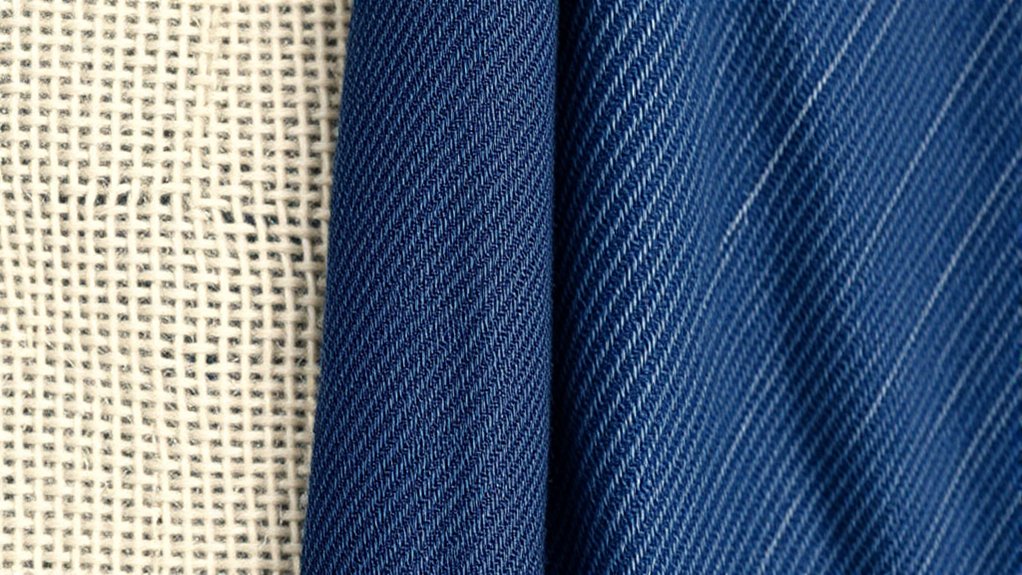
Canvas and denim may look similar at a glance, but they differ in weave, texture, and typical use. You’ll notice canvas usually serves rugged utility, while denim often shows up in clothing.
Canvas is a plain-woven fabric that feels sturdy and broad in application, from bags to upholstery. Denim is a twill fabric, most often tied to jeans, jackets, and casual wear.
Canvas is plain-woven and sturdy, while denim’s twill structure makes it a staple in casual wear.
When you compare them, focus on function first: canvas handles structure and load-bearing jobs well, while denim works best where flexibility and style matter.
You’ll also see more frequent color variations in canvas, since manufacturers dye it for many uses. Denim usually comes in classic indigo shades, though washes can change its look.
For a durability comparison, both fabrics hold up well, but canvas tends to excel in hard-use settings, and denim often performs better in everyday wear. Choose based on what you need most.
Canvas vs. Denim: Texture, Weight, and Weave
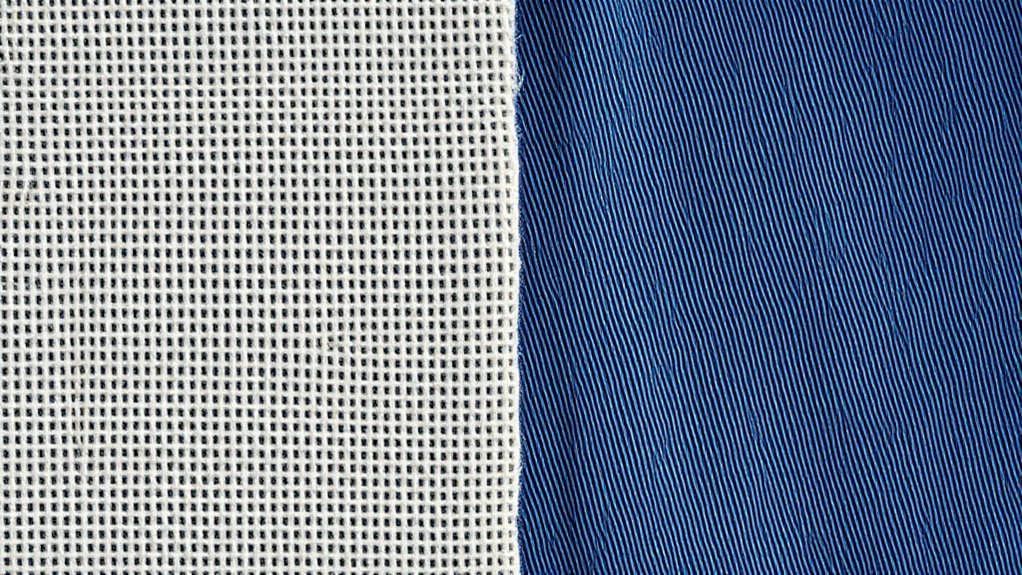
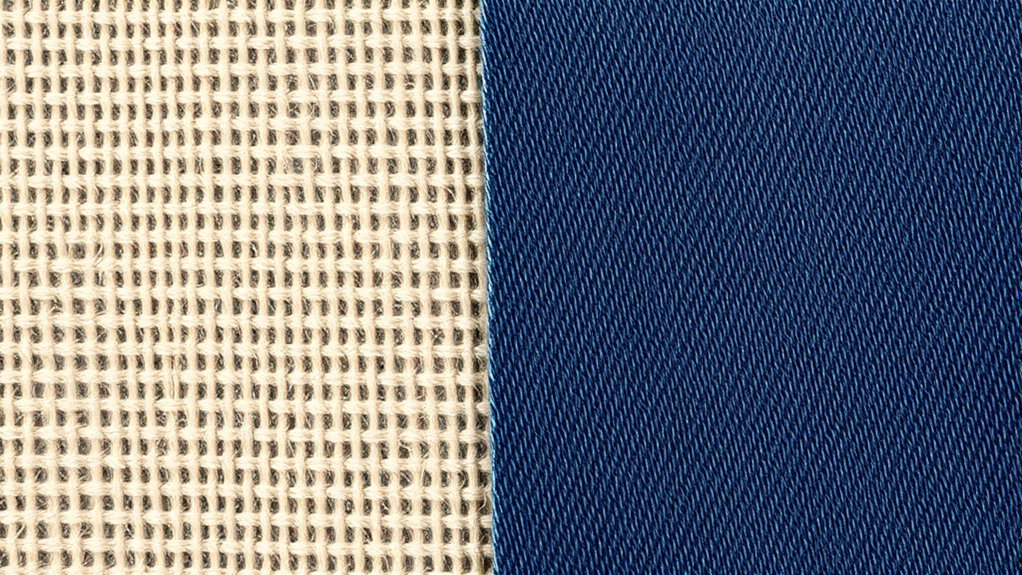
If you’re comparing these fabrics more closely, texture, weight, and weave are where the differences really stand out. You’ll usually feel canvas as flatter, stiffer, and more rugged, while denim has a softer surface with a twill diagonal.
Canvas often uses a plain weave, so it feels stable and even. Denim relies on a twill weave, which gives it more visible texture and a slightly heavier drape.
| Fabric | Texture | Weave |
|---|---|---|
| Canvas | Smooth, firm | Plain |
| Denim | Textured, softer | Twill |
| Your takeaway | Less grainy | More directional |
For a quick durability comparison, canvas resists abrasion in a broad, rigid way, while denim flexes with repeated wear. Weight also matters: lighter canvas feels airy, but heavier versions get tough fast. Denim ranges from midweight to hefty.
For maintenance tips, check fiber content and wash carefully to preserve each fabric’s feel.
Best Uses for Canvas and Denim Fabrics
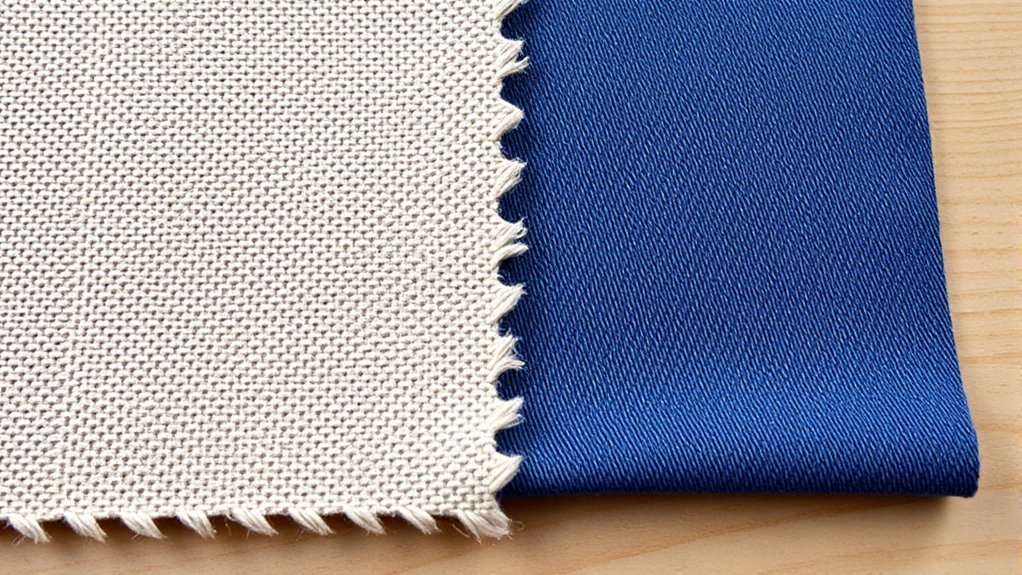
When you’re choosing between these fabrics, the best use usually comes down to structure and feel. Canvas works well for bags, tents, shoes, upholstery, and other items that need stiffness and abrasion resistance. Denim is a better fit for jeans, jackets, skirts, and casual wear that should move with you.
You should match each fabric to its job because the best applications depend on how much wear, weight, and flexibility you need. If you want gear that holds shape and handles rough use, choose canvas. If you want everyday clothing that feels comfortable and still lasts, choose denim.
You’ll also want to take into account durability factors like weave density, fiber content, and finish since they affect how each fabric performs over time. For outdoor projects or heavy-duty storage, canvas usually wins. For style, comfort, and long-term wear in clothing, denim gives you a reliable, versatile option.
Frequently Asked Questions
How Are Canvas and Denim Manufactured Differently?
You’ll see canvas and denim are manufactured differently from the start. You weave canvas with thicker yarns in a plain weave, so it’s tough and stiff.
You make denim with a twill weave, where the weft passes under two or more warp threads, creating diagonal ribs. That construction gives denim its signature texture differences and helps explain the fabric durability you notice when you wear or use each material.
Which Fabric Is More Environmentally Sustainable?
Canvas is usually the greener choice, hands down. You’ll often find it made from organic sources like cotton or hemp, and its simpler construction can mean lower chemical use.
Denim can be sustainable too, especially if you choose recycled fibers and smarter recycling processes. Still, you’ll likely see less water, dye, and finishing impact with canvas.
If you want the eco-friendlier pick, canvas often wins by a mile.
Do Canvas and Denim Shrink Differently After Washing?
Yes, you’ll usually notice different shrinkage properties after washing. You’ll often see denim shrink more, especially if it’s raw or untreated, because its cotton weave tightens with heat and agitation.
Canvas can also shrink, but you’ll usually have a bit more control with proper fabric care. Wash both in cold water and air-dry them if you want to minimize shrinkage and keep their shape better over time.
Which Fabric Is Easier to Dye or Print On?
You’ll usually find canvas easier to dye or print on because it often drinks color like a sponge. Its tighter weave can help with crisp results, and it accepts many printing techniques well.
Denim can still take dye nicely, but its twill texture and indigo base can complicate things. If you want bold, even coverage, canvas usually gives you better dye absorption and more predictable printing techniques overall.
How Do Canvas and Denim Compare in Cost?
You’ll usually find canvas costs a bit less than denim, especially in lighter weights and basic cotton blends. Denim often runs higher because of its tighter weave, dyeing process, and brand demand.
For your cost analysis, compare fabric pricing by weight, finish, and supplier. Heavy-duty canvas can rival premium denim, though, so you shouldn’t assume canvas is always cheaper. Check samples and bulk rates to get the best deal.
Conclusion
When you compare canvas and denim, you’ll see how each fabric tells its own story. Canvas is usually tougher and denser, while denim brings that classic diagonal weave you know so well.
In fact, denim has been worn for over 150 years, which helps you picture generations of workwear, fashion, and everyday durability.
So whether you need rugged structure or familiar comfort, you can choose the fabric that fits your project best. Understanding the differences between canvas and denim makes it easier to pick the right fabric for your needs.