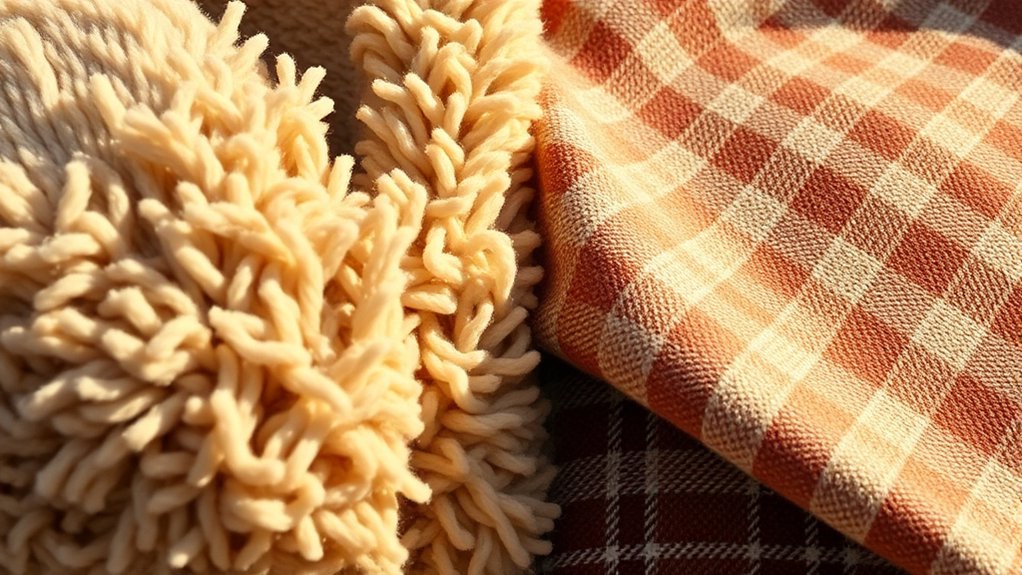
Fleece Vs Flannel: 7 Key Differences
Choosing the right warm fabric can be confusing, especially when you want something cozy but also practical. If you’ve ever struggled to decide between fleece and flannel, you’re not alone. Many people find it tough to pick the perfect material that fits their lifestyle and keeps them comfortable in chilly weather.
Fleece and flannel both keep you warm, but they’re built for different needs. Fleece is usually synthetic, plush, and better at trapping heat, so it’s ideal for cold, damp weather and active use.
Flannel is typically woven cotton or wool, softer with a more classic look, and it breathes better for everyday wear. Fleece dries faster and needs less care, while flannel feels more natural and refined.
Keep going to see which one fits you best.
Key Takeaways
- Fleece is a synthetic knit that feels plush and sporty, while flannel is usually woven and brushed for a softer, classic look.
- Fleece insulates better for its weight, making it ideal for cold weather. Flannel offers moderate warmth with better breathability.
- Fleece dries faster and resists repeated washing well. Flannel needs gentler care to avoid thinning and fraying.
- Fleece is usually cheaper and more budget-friendly. Higher-quality flannel often costs more but feels more natural.
- Choose fleece for damp, winter conditions and active use. Choose flannel for mild weather, layering, and casual everyday wear.
What’s the Difference Between Fleece and Flannel?
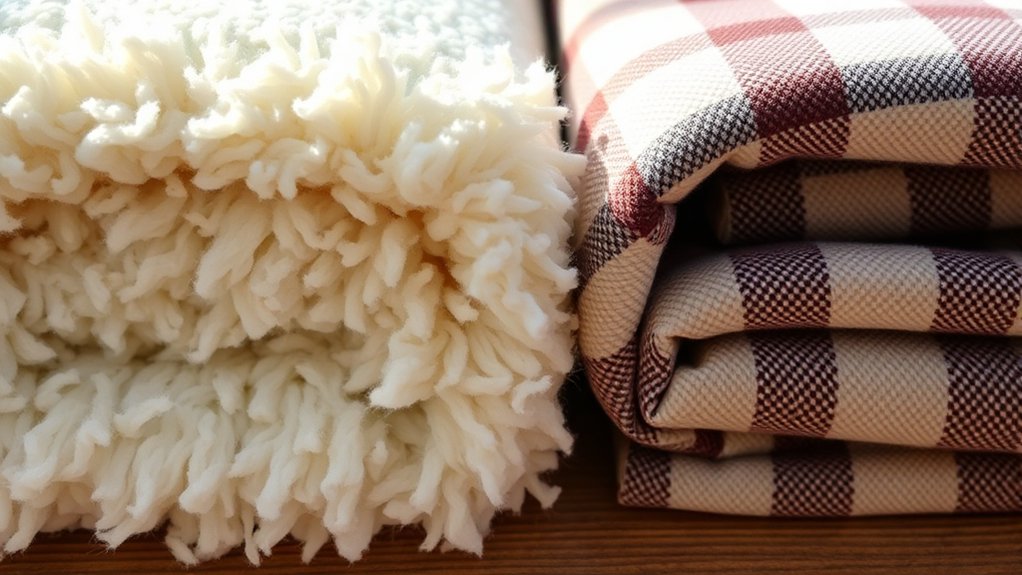
Although fleece and flannel can both feel soft and warm, they’re made differently and serve different purposes. You’ll notice the biggest contrast in how each fabric is constructed.
Fleece is usually a synthetic knit, often polyester, with a brushed surface that traps air and gives it a plush feel. Flannel, by contrast, is commonly woven from cotton, wool, or blends, then brushed to create a softer surface. That means their fabric properties differ in stretch, weight, and durability.
In a texture comparison, fleece feels smoother, loftier, and more uniform, while flannel feels flatter, more natural, and slightly fuzzy. You can also spot differences in drape and finish: fleece tends to look more casual and sporty, while flannel often has a classic, matte appearance.
When you choose between them, you’re really choosing between synthetic performance and a traditional woven textile.
Fleece vs Flannel: Warmth and Breathability
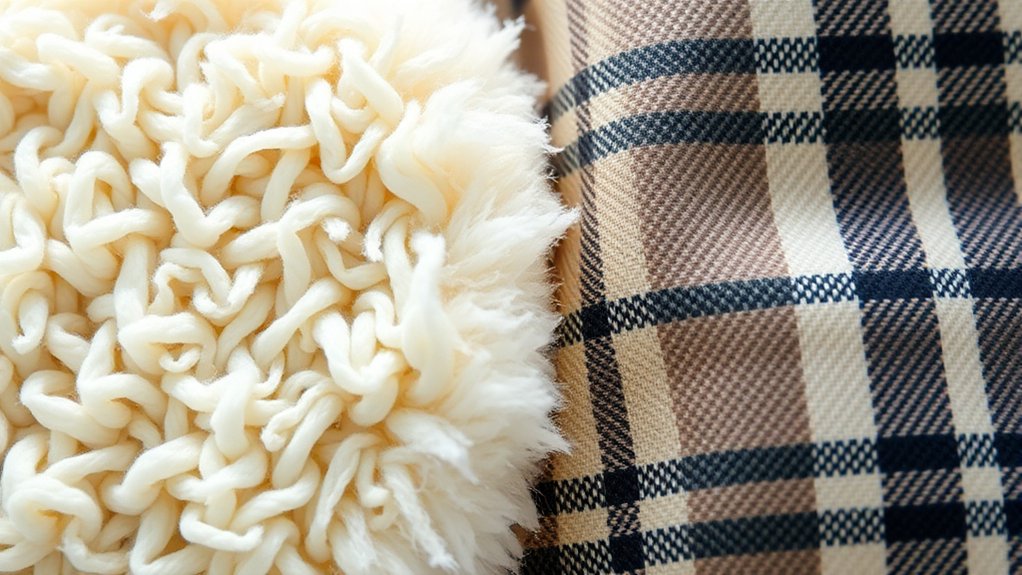
Regarding warmth, fleece usually traps more air and insulates better for its weight, so it often feels warmer in chilly conditions. You’ll notice its insulation properties shine when temperatures drop and you need dependable heat without much bulk.
Flannel can still keep you comfortable, but it breathes more easily and works better when you want moderate warmth and less overheating. If you move between indoors and outdoors, flannel may feel more balanced, while fleece can hold warmth longer.
- Choose fleece when you want stronger cold-weather insulation.
- Choose flannel when you want easier airflow and lighter warmth.
- Choose based on activity, since moisture management matters during movement.
Fleece typically handles sweat better by drying quickly, which helps you stay comfortable during active wear. Flannel lets more air pass through, so you may prefer it for layering or milder days. Your best pick depends on how much heat, airflow, and moisture control you need.
How Fleece and Flannel Feel on Skin
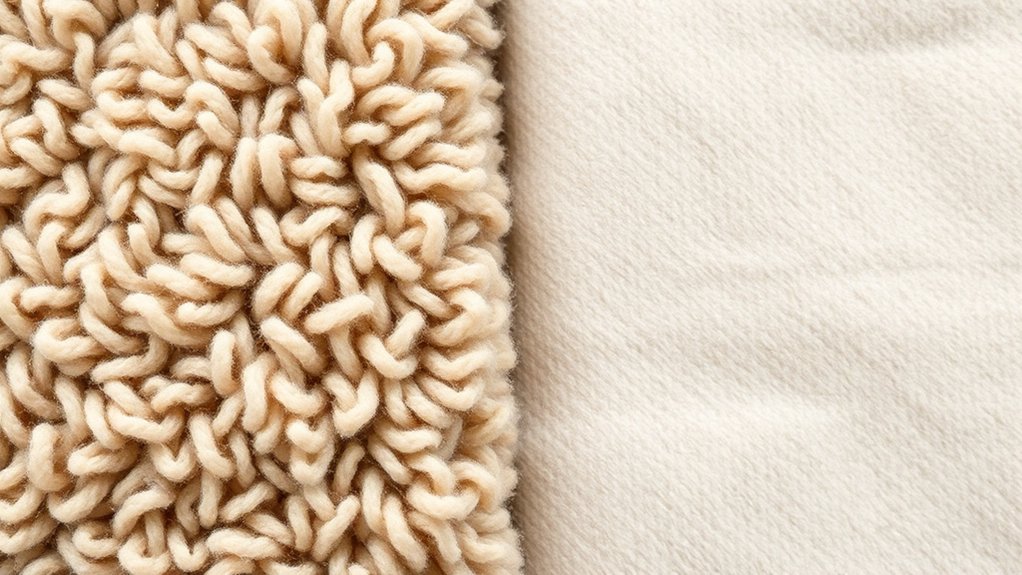
Beyond warmth, the next big difference is how each fabric feels against your skin. Fleece usually feels plush, smooth, and a little springy. You may notice a cushioned touch that glides easily.
Flannel feels softer in a different way. Brushed cotton gives you a cozy, lived-in texture with more visible weave. In a softness comparison, fleece often seems silkier at first, while flannel can feel gentler and more natural over time. Your texture preferences matter here.
| Fabric | Skin Feel | Key Note |
|---|---|---|
| Fleece | Smooth, plush | Feels lofty |
| Flannel | Soft, brushed | Feels textured |
| Both | Cozy | Different touch |
If you like a fuzzy, cozy surface, fleece may suit you. If you prefer a soft cloth feel with a bit more grain, flannel probably matches your texture preferences better.
Best Uses for Fleece and Flannel
When you’re thinking about everyday wear, flannel feels soft and breathable, making it super comfortable. On the other hand, fleece is great for keeping you warmer when the weather turns cooler.
If you’re layering up for the outdoors, fleece works really well under a jacket to trap heat. Flannel, meanwhile, adds a bit of light insulation without making you feel bulky.
And when it comes to bedding, flannel is perfect for cozy sheets, while fleece is ideal if you want that extra warmth on chilly nights.
Everyday Wear
For everyday wear, fleece is your go-to for warmth and comfort on chilly mornings, casual errands, and relaxed outdoor activities. Flannel works best as a breathable layer for cool weather, easygoing office days, or laid-back weekends.
You can choose fleece when you want soft comfort and effortless casual style, especially with jeans, joggers, or leggings. Flannel gives you more structure, so it sharpens simple outfits without feeling stiff.
Use these layering options wisely:
- Wear fleece alone for quick comfort.
- Pair flannel over a tee for balanced warmth.
- Combine either with a jacket when temperatures shift.
That way, you stay comfortable, look intentional, and match your day without overthinking your outfit choices.
Outdoor Layers
Outdoors, fleece is the better choice when you need lightweight warmth and quick drying performance on hikes, camping trips, or windy walks. You get solid insulation properties without much bulk, so you can move freely and stay comfortable when conditions change.
Use it as a midlayer under a shell, or wear it alone in dry, cool weather. Flannel can still work outdoors, but it’s better for mild days, casual campfires, or low-intensity outings where breathability matters more than weather protection.
If you’re planning layering techniques for unpredictable forecasts, fleece gives you more flexibility because it traps heat well and handles moisture better. Choose flannel when you want a softer, less technical layer and don’t expect rain, wind, or heavy activity.
Bedding Choices
In bedding, fleece is the warmer, cozier option when you want extra insulation on cold nights, especially as a blanket layer or mattress topper in chilly rooms. You’ll feel its plush surface boost sleep comfort fast, while flannel gives you a softer, breathable feel that suits year-round bedding materials. Choose fleece when you need maximum warmth; choose flannel when you want gentle coziness without overheating.
- Fleece works best for cold climates and drafty bedrooms.
- Flannel suits sleepers who want warmth with airflow.
- Layer either fabric with cotton sheets for balanced comfort.
You can mix them too: use flannel sheets and add a fleece throw at the foot of the bed. That way, you control warmth without sacrificing comfort or flexibility.
Care and Durability Differences
When you compare fleece and flannel, you’ll notice they wash and dry differently. This can really affect how easy they are to take care of. Plus, over time—especially if you use them a lot—you might see different amounts of pilling and surface wear.
Washability And Drying
On laundry day, fleece usually gives you a little more flexibility than flannel because it dries faster and tends to hold up well to repeated washing. If you need quick stain removal, you can usually treat fleece with mild detergent and move on without much fuss. Flannel asks for a bit more attention since its woven fibers can take longer to release dirt and moisture.
- Wash fleece in cool or warm water to keep care simple.
- Air-dry flannel when you want gentler treatment and steadier drying time.
- Use low heat for both fabrics if you prefer machine drying.
You’ll notice fleece often fits a busy routine better, while flannel rewards slower care. Choosing the right cycle helps you protect comfort and keep both fabrics ready for everyday use.
Pilling And Wear
Although both fabrics can wear well, fleece usually resists pilling better than flannel because of its knit structure and synthetic fibers. You’ll notice fewer fuzzy balls on fleece when you rub it against packs, couches, or other layers. Flannel can still look great, but repeated friction can raise fibers and weaken the surface faster.
For pilling prevention, you should turn garments inside out, avoid rough washing cycles, and limit abrasion during wear.
| Fabric | Pilling Risk | Wear Pattern |
|---|---|---|
| Fleece | Low | Surface stays smoother |
| Flannel | Medium | Fibers lift over time |
| Heavy fleece | Lower | Better fabric longevity |
| Light flannel | Higher | Shows wear sooner |
| Brushed flannel | Medium | Softens, then pills |
Longevity And Maintenance
A garment’s lifespan often comes down to how you care for it, and fleece usually asks for less upkeep than flannel. In a durability comparison, fleece resists shrinking, dries fast, and keeps its shape through frequent washes.
Flannel can last just as long, but you need gentler handling to avoid thinning and fraying over time. Use these maintenance tips to stretch either fabric’s life:
- Wash in cold water to protect fibers.
- Skip high heat; air-dry when you can.
- Store clean and dry to prevent damage.
You’ll notice fleece stays soft with minimal effort, while flannel rewards careful washing with a longer, smoother wear cycle. Choose based on how much time you want to spend on care.
Fleece vs Flannel: Price and Value
When you compare fleece and flannel on price, fleece usually wins on upfront cost because it’s cheaper to produce and widely available in synthetic forms. In an affordability comparison, you’ll often see fleece blankets, jackets, and loungewear priced lower than similar flannel items, especially if the flannel uses higher-grade cotton.
That doesn’t automatically make fleece the better buy, though. Your value assessment should include how long the fabric feels useful, how often you’ll wear it, and whether you need warmth, softness, or breathability.
Flannel can cost more, but you may get a more natural feel and a classic look that holds appeal over time. Fleece often gives you strong immediate value if you want budget-friendly warmth.
Flannel may feel worth the extra money when you prefer a softer drape and a less synthetic touch. In short, your best value depends on how much use you’ll get from each fabric and what qualities matter most to you.
How to Choose the Right Fabric
Choosing between fleece and flannel starts with how you plan to use it. If you want warmth for outdoor layers or lounging, fleece usually wins because it traps heat and dries fast. If you value breathability, softness, and a classic look, flannel may suit you better.
Pay attention to fabric texture, since it affects comfort against your skin and how the fabric feels after washing.
- Match the fabric to your climate: choose fleece for cold, damp days and flannel for cool, dry weather.
- Consider your seasonal preferences: fleece fits winter needs, while flannel works well in fall and mild spring.
- Think about maintenance and style: fleece resists wrinkles, but flannel often looks more polished and lived-in.
When you compare both options, trust your daily routine. The right choice should feel comfortable, practical, and easy to wear.
Frequently Asked Questions
Is Fleece or Flannel Better for Sensitive Skin?
For sensitive skin, you’ll usually do better with flannel because it’s more breathable and less likely to trap heat or moisture. If you choose fleece, look for fleece softness and a smooth, high-quality finish since rougher fabric can irritate you.
You should also wash either fabric before wearing it, use gentle detergent, and avoid heavy fragrances. Your skin often reacts better to natural, airy layers than synthetic warmth.
Can Fleece and Flannel Be Mixed in One Garment?
Yes, you can mix fleece and flannel in one garment, and about 60% of layered casualwear now uses blended fabrics. You’ll get a fabric combination that boosts warmth while keeping the look comfortable and soft.
This setup adds style versatility, letting you wear one piece for lounging, outdoor trips, or cool evenings. Just make sure the fabrics stretch and wash in a comparable way, so your garment stays durable and feels balanced.
Which Fabric Is More Eco-Friendly: Fleece or Flannel?
Flannel’s usually more eco-friendly than fleece, especially when you choose organic cotton or recycled fibers. You can lower your impact by checking sustainability practices like water use, dye methods, and end-of-life recyclability.
Fleece often comes from polyester, so its fabric production relies on petroleum and can shed microplastics. If you want a greener option, pick responsibly made flannel and look for certifications that prove better sourcing and cleaner manufacturing.
Does Flannel Shrink More Than Fleece After Washing?
Yes, flannel usually shrinks more than fleece after washing because its cotton fibers react to heat and moisture. In your shrinkage comparison, fleece typically holds its shape better since it’s often synthetic.
You can reduce shrinkage with careful fabric care: wash in cold water, avoid high heat, and tumble dry low or air-dry. If you want fabric that stays more stable, fleece usually gives you fewer surprises after laundry day.
Are Fleece and Flannel Suitable for Summer Nights?
You can wear both on summer nights, but you’ll choose differently. Think of fleece as a warm lantern and flannel as a cool breeze. Flannel usually wins for comfort because it offers better breathability and feels lighter.
Fleece traps more heat, though it can help if the night turns chilly. If you sweat easily, pick flannel for better moisture wicking and a softer, less stifling sleep.
Conclusion
So, which fabric should you choose? If you need extra warmth and quick-drying performance, fleece usually wins. If you want a softer, more breathable feel that layers well, flannel may be the better pick.
You might assume fleece is always warmer, but that’s not always true in every setting. Your best choice depends on how you’ll use it, how you want it to feel, and how much care you’re willing to give it.
When deciding between fleece vs flannel, consider these factors to pick the fabric that suits your needs best.