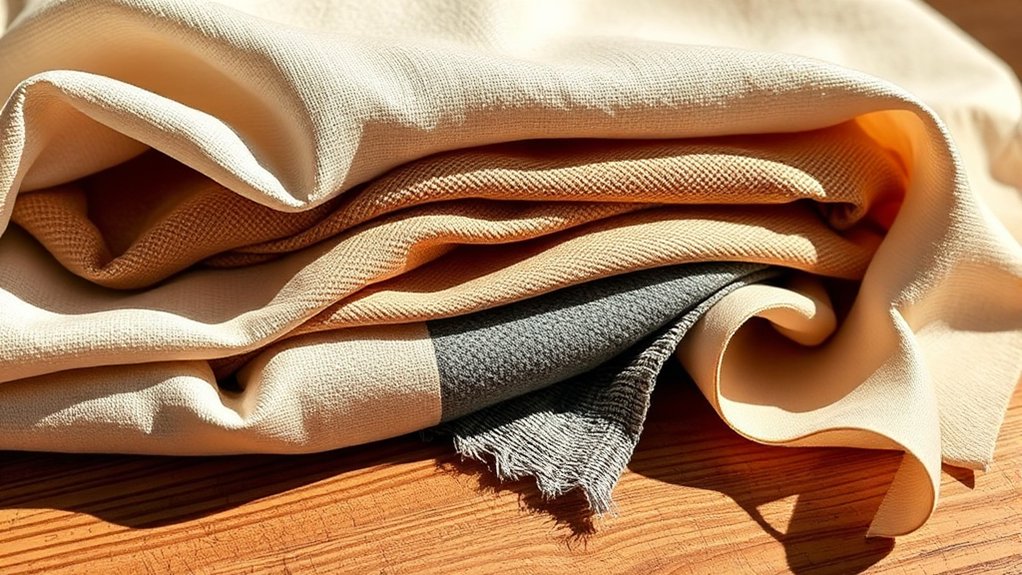
Types of Fabric: Choosing the Right One
Finding the perfect fabric for your project can feel overwhelming. You’re not alone—many people struggle to choose the right material that balances comfort, durability, and style.
Whether you’re sewing clothes, crafting home decor, or tackling a creative hobby, knowing which fabric works best can make all the difference.
Choosing the right fabric depends on what you’re making and how you want it to feel. You can pick natural fabrics like cotton, linen, silk, or wool for comfort and breathability, or synthetic fabrics like polyester and nylon for durability and easy care.
Fabric weight, drape, and weave also shape the final result, so test swatches before you buy. If you keep going, you’ll see which fabrics suit each project best.
Key Takeaways
- Natural fabrics like cotton, linen, silk, and wool offer breathability, comfort, and varied texture.
- Synthetic fabrics like polyester and nylon provide durability, wrinkle resistance, and quick drying.
- Blended fabrics combine natural and synthetic fibers for balanced performance and easy care.
- Choose fabric by project needs: drape for garments, structure for tailoring, and strength for bags or décor.
- Check fabric weight, stretch, and care labels before buying to ensure the right look, feel, and maintenance.
What Are the Main Types of Fabric?
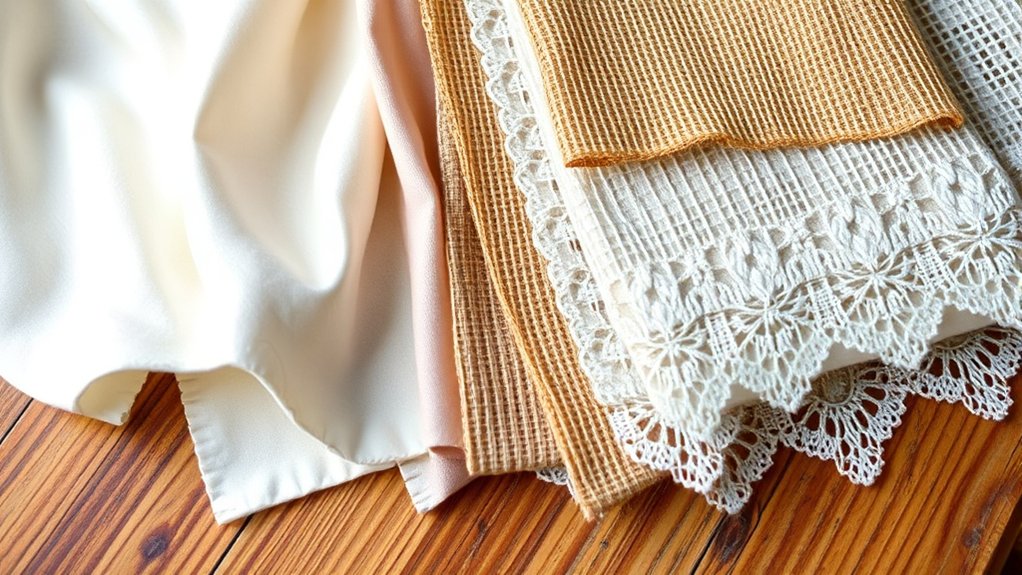
When you start choosing fabric, it helps to know the main types: natural, synthetic, and blended. Natural fabrics come from plants or animals, so you’ll often notice breathable fabric characteristics and soft fabric textures. Cotton feels familiar and easygoing, while wool can feel warmer and more structured.
Linen usually has a crisp surface and a relaxed drape. Synthetic fabrics are man-made, so they often resist wrinkles and dry quickly. Polyester, nylon, and acrylic can feel smooth, slick, or slightly stiff depending on the weave.
Blended fabrics combine both kinds, giving you a balance of comfort, durability, and appearance. You might find a cotton-polyester blend that feels softer than pure synthetics but holds its shape better than some naturals. By noticing fabric characteristics and fabric textures, you can quickly tell how each type behaves and looks before you choose it.
How to Choose Fabric by Project Needs
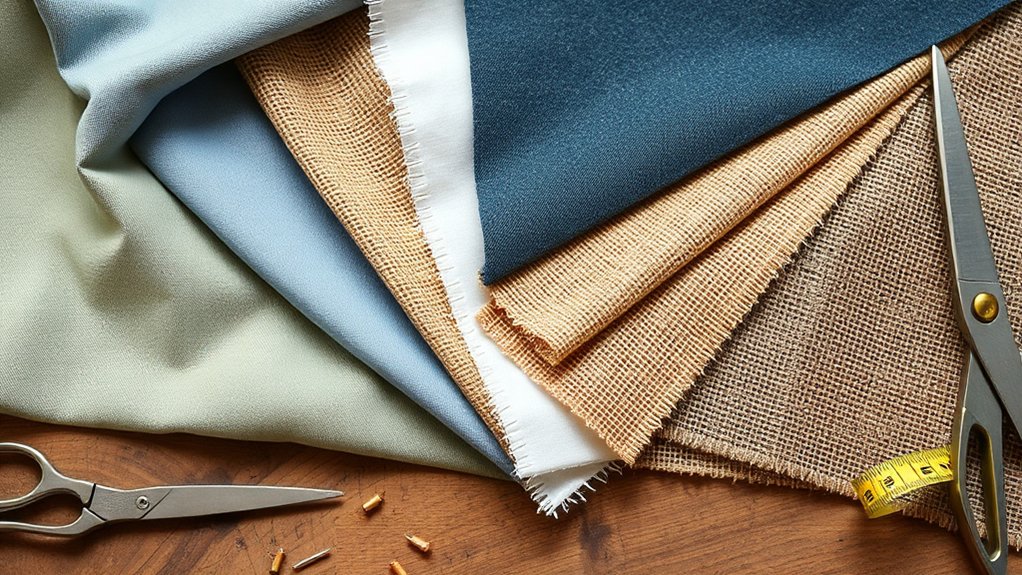
Now that you know the main fabric types, the next step is matching them to your project. Start by asking what the finished item has to do. If you need structure, choose a fabric that holds shape; if you want drape, pick one that falls smoothly.
For garments, think about comfort, movement, and how often you’ll wear them. For home décor, consider durability, texture, and how much handling the piece will get.
For crafts or bags, look for strength and easy cutting. These fabric selection tips help you narrow choices fast. Always test a small sample before committing, because color, weight, and stretch can change the result.
You should also check project compatibility by reading the pattern or instructions closely. When you match fabric behavior to the project’s purpose, you save time, reduce mistakes, and get a better finish every time.
Cotton, Linen, and Other Natural Fabrics
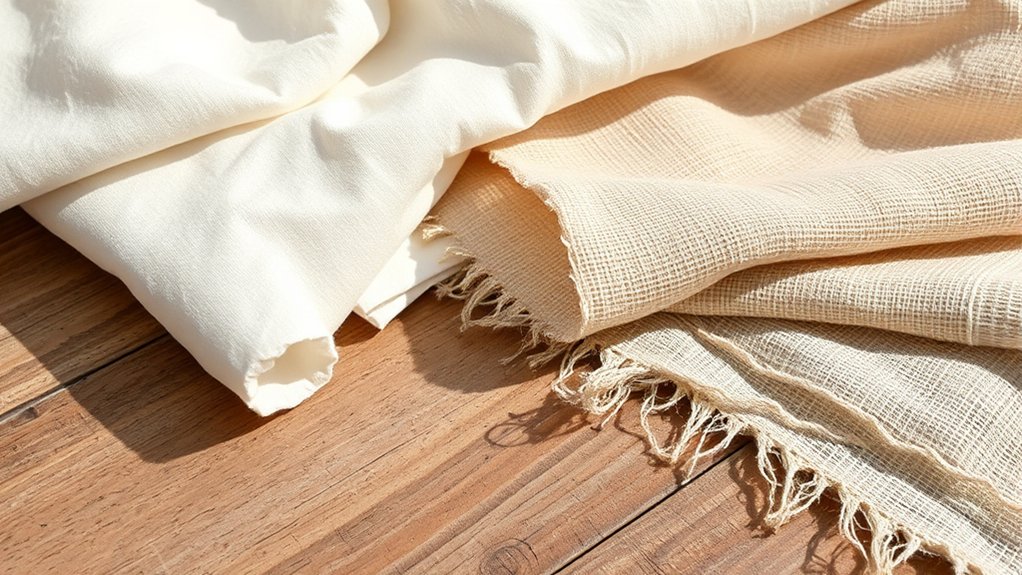
Cotton and linen are two of the most useful natural fabrics, and each brings its own strengths to a project. You can rely on cotton when you want softness, easy care, and broad versatility for shirts, quilts, and everyday items. Linen gives you a crisp texture, strong breathability, and a relaxed drape that works well in warm-weather clothing and home décor.
When you compare them, think about how each fabric feels, wrinkles, absorbs moisture, and holds shape.
You should also weigh sustainability considerations before you buy. Organic cotton can reduce chemical use, while linen often comes from flax, a crop that needs less water and fewer inputs. Check how the fabric was processed, because responsible finishing matters too.
If you plan to customize the material, look into fabric dyeing techniques that suit plant-based fibers, since both cotton and linen usually take dye well and produce rich, lasting color.
Silk, Wool, and Other Specialty Natural Fibers
Beyond cotton and linen, silk, wool, and other specialty natural fibers offer distinct qualities that can change the look, feel, and performance of a project. You can choose silk benefits when you want a smooth drape, subtle sheen, and a polished finish for shirts, scarves, or formal pieces.
Wool properties make it a smart pick for warmth, resilience, and natural stretch, so you’ll appreciate it in sweaters, coats, and tailored garments. If you want extra softness, cashmere luxury gives you a lighter, finer hand feel without losing insulation.
You can also look beyond the classics: bamboo softness feels gentle against skin, while hemp sustainability appeals when you want a durable, lower-impact option. Compared with linen breathability, these fibers often bring more texture, loft, or elegance, helping you match fabric to purpose, comfort, and style.
Polyester, Nylon, and Other Synthetic Fabrics
Polyester, nylon, and other synthetic fabrics give you practical choices when you need durability, easy care, and reliable performance. You’ll appreciate polyester durability in clothing, bags, and home items that need to hold shape and resist wrinkles.
Nylon breathability can help you stay comfortable in activewear, linings, and gear that must handle movement and moisture. You also get synthetic versatility, since these fabrics can be blended, finished, or engineered for different textures, weights, and uses.
If you want something that dries quickly and stands up to frequent washing, synthetics often fit the bill. Still, fabric sustainability matters, so you should look for recycled fibers, longer-lasting products, and brands that reduce waste.
When you choose carefully, you can balance performance, value, and environmental responsibility without giving up everyday convenience.
Knit vs. Woven Fabric: What’s the Difference?
When you compare knit and woven fabrics, you’ll notice that knit fabric uses interlooped yarns, which gives it stretch and comfort. On the other hand, woven fabric uses interlaced yarns, making it firmer and more structured.
These different structures also change how the fabric drapes, breathes, and holds up over time. So, knowing these differences can really help you pick the right fabric based on how you want it to feel and perform.
Knit Fabric Structure
Knit fabric stretches because its yarns loop together, while woven fabric stays firmer because its threads cross over and under at right angles. When you choose knits, you get flexibility that moves with your body and resists wrinkling better than many stiffer fabrics.
Different knit patterns change the feel, thickness, and drape, so you can pick jersey for softness, rib for extra recovery, or interlock for a smoother surface. You’ll also notice different stretch types, from light give to strong four-way stretch, depending on how the loops form.
Because the structure works like connected chains, knit fabric usually feels comfortable, breathable, and easy to wear. That makes it a smart choice for activewear, casual pieces, and garments that need motion without tight restriction.
Woven Fabric Structure
Woven fabric takes a different approach: instead of looping yarns, it uses threads that intersect at right angles, creating a stable structure with less natural stretch. When you look closely, you’ll see warp yarns running lengthwise and weft yarns crossing side to side.
That grid-like construction gives you clean edges and a firm hand. You’ll find many woven fabric types, from crisp poplin and sturdy denim to smooth sateen and textured twill, each created by changing yarn thickness, weave pattern, or finish.
These woven fabric benefits make the material easy to tailor for shirts, trousers, upholstery, and more. Because the yarns lock together tightly, you get a dependable fabric that holds shape well and supports precise cuts.
Key Performance Differences
At first glance, knit and woven fabrics may look similar, but they perform very differently once you start wearing, stretching, or tailoring them. You’ll usually find knit fabrics offer more stretch, softness, and recovery, so they move with your body and resist wrinkling.
Woven fabrics stay stable, hold crisp shapes, and often give you better structure for shirts, trousers, and tailored pieces. When you compare performance factors, think about breathability, drape, abrasion resistance, and seam behavior.
Knits can feel more comfortable for activewear, while wovens often score higher in durability ratings for long-lasting shape retention. You should choose knit if you need flexibility and comfort, and woven if you want precision, polish, and stronger tailoring support.
How Fabric Weight and Drape Affect Results
When you pick out fabric, weight basically tells you how sturdy or airy it’s going to feel and how well it’ll keep its shape. Then, drape is all about how the fabric falls, moves, and hugs whatever you’re working on—whether it’s your body or a project.
Put those two together, and they give you a good idea of whether your fabric will look crisp, relaxed, or flowing. It’s like getting a sneak peek at how your finished piece will turn out!
Fabric Weight Basics
Fabric weight sets the tone for how a garment looks, feels, and moves, so you need to think beyond color or print when choosing cloth. You can judge it by fabric density factors, fiber blend, and weave, then compare fabric weight categories like lightweight, medium, and heavyweight.
Lighter fabrics usually feel airy and suit layered pieces, while medium weights handle shirts, skirts, and everyday garments well. Heavier fabrics add structure and hold shape better in tailored items, outerwear, and home projects.
Check the label, but also test the cloth in your hands, because finishes can change the feel. When you match weight to your project, you’ll sew with more control and get results that look intentional, balanced, and professional.
Drape Effects
Even more than weight alone, drape determines how fabric falls, flows, and shapes a finished garment. You’ll notice that soft, fluid cloth skims curves, while crisp fabric holds structure. Choose drape styles that match your pattern: a blouse may need gentle movement, but a coat wants stability.
When you test swatches, pinch, shake, and fold them to see how they respond.
| Fabric type | Drape effect |
|---|---|
| Silk charmeuse | Liquid, elegant |
| Linen | Structured, airy |
| Jersey | Stretchy, soft |
| Denim | Firm, defined |
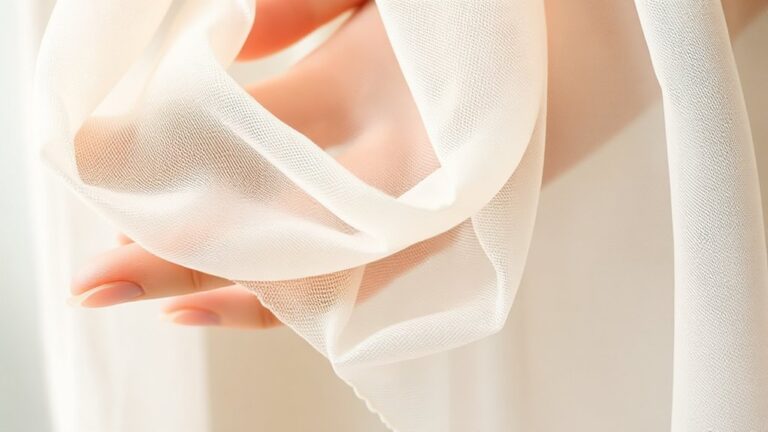
| Chiffon | Light, floating |
Think about fabric layering too. Heavier layers can flatten volume, while sheer layers add depth. The right drape helps you control silhouette, comfort, and visual balance.
Best Fabrics for Clothing and Home Décor
Choosing the best fabric starts with how you’ll use it, because clothing and home décor each demand different strengths. For shirts and dresses, cotton, linen, wool, and silk give comfort, breathability, and structure.
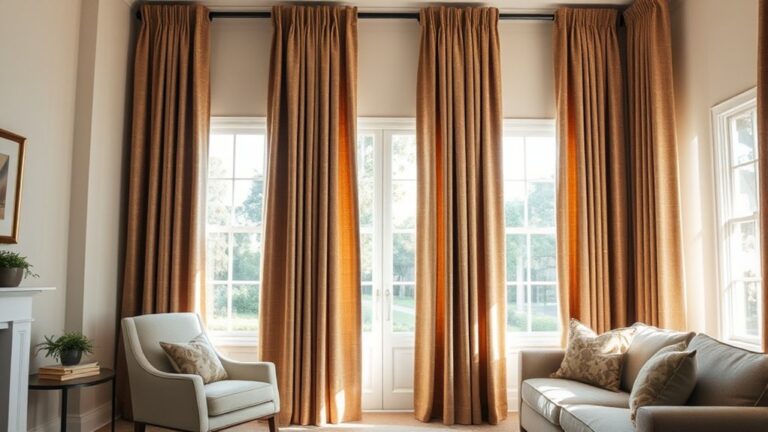
For sofas, curtains, and pillows, you’ll want durable weaves like canvas, velvet, and performance blends that handle daily wear. When you compare sustainable fabrics, check fabric sourcing and look for fabric trends that suit your space or wardrobe.
Notice fabric textures, since a crisp twill feels different from a plush boucle, and color harmonies can tie a room or outfit together. Favor fabrics that fit your routine, climate, and style, then choose pieces that support easy fabric maintenance without sacrificing appeal.
Cotton works well for everyday clothing
Linen suits airy, relaxed décor
Wool adds warmth and shape
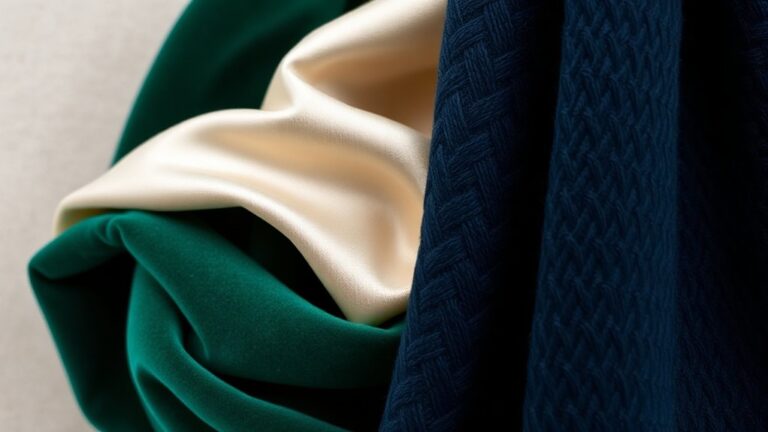
Velvet brings depth to statement pieces
How to Read Fabric Care Labels
Once you’ve picked a fabric you love, the care label tells you how to keep it looking and feeling its best. You can read it like a shortcut to proper care. Start with the fabric symbols because they show whether the item needs gentle handling, special temperature settings, or professional cleaning.
Next, check the washing instructions for water temperature, cycle type, and detergent notes. If the label says machine washable, you still need to match the cycle to the fabric’s needs. Then review the drying methods so you know whether to tumble dry, line dry, or lay the piece flat. These details help preserve shape and texture.
Finally, look at the ironing guidelines to avoid heat damage and shine. When you follow each symbol and note carefully, you protect color, fit, and finish while making your clothes and home textiles last longer.
Common Fabric Mistakes to Avoid
One common mistake is assuming every fabric can be washed, dried, and ironed the same way. You’ll damage fibers if you ignore fabric care instructions, and that can ruin fit, color, and feel. Different fabric types react differently to heat, moisture, and agitation, so you need to match treatment to each item.
Pay attention to fabric texture, because delicate surfaces snag or pill faster than sturdy weaves. Also, don’t judge fabric durability by appearance alone; a strong-looking cloth may still shrink or stretch.
Check labels before laundering to protect shape and color. Test stain removers on a hidden area first. Store fabrics properly to prevent fading and mildew. Consider fabric sourcing and patterns when choosing long-lasting pieces.
When you shop, ask how the material was made and where it comes from. That extra step helps you choose better quality, avoid waste, and keep your wardrobe performing longer.
Frequently Asked Questions
What Fabric Is Best for Sensitive Skin?
Cotton’s usually your best bet for sensitive skin because it’s soft, breathable, and gentle. You can also choose natural fibers like bamboo, silk, or linen if you want less irritation.
Look for hypoallergenic options since they’re less likely to trigger itching or redness. You should avoid rough textures, tight weaves, and synthetic blends that trap heat and sweat.
Always test a small area first, especially if your skin reacts easily.
Which Fabrics Are Most Sustainable?
You’ll usually find organic cotton, linen, bamboo fabric, and recycled polyester among the most sustainable choices. Organic cotton cuts chemical use, linen benefits from low water needs, and bamboo can grow quickly with less input.
Recycled polyester helps reduce waste by reusing plastic. Look for sustainable sourcing and certifications, too. As the saying goes, “Waste not, want not,” and you’ll make a better choice when you buy fabrics that last.
How Do I Test Fabric Quality Before Buying?
You can test fabric quality by feeling the fabric texture, checking how tightly it’s woven, and stretching it gently to see if it bounces back. Rub a damp white cloth on the surface for colorfast testing, and watch for dye transfer.
Hold it up to light to spot flaws, and inspect the edges for fraying. You should also smell it and ask about fiber content and care instructions.
Can Fabric Blend Types Affect Durability?
Yes, fabric blends can improve wear, resist stretching, and slow fading, or they can weaken, pill, and fray. You’ll see better fabric blend durability when fibers complement each other.
You’ll notice a clear impact on longevity when the blend matches the garment’s use. Check the fiber ratios, feel the weave, and compare care labels. You’ll make a smarter choice and get longer-lasting fabric.
What Fabrics Resist Wrinkles the Best?
You’ll get the least wrinkles from synthetic fibers like polyester, nylon, and acrylic. They bounce back better than natural options, so you won’t spend as much time ironing.
Cotton blends also help, especially when they mix cotton with polyester or rayon. Pure cotton wrinkles more easily, but tighter weaves can improve performance.
If you want easy care, choose fabrics with stretchy, resilient fibers and hang them promptly after washing.
Conclusion
Choosing fabric is about more than touch. You balance softness with strength, breathability with durability, beauty with practicality.
You might love the airy ease of linen, yet need the easy care of polyester; crave silk’s shine, yet rely on cotton’s comfort.
When you match fiber, weight, and drape to your project, you turn raw material into something that looks good, feels right, and lasts.
Pick wisely, and your fabric works with you, not against you. Choosing the right type of fabric is key to making your project a success.