What Is Silk?
If you’ve ever struggled to find fabrics that feel luxurious yet are breathable and durable, you’re not alone. Many people want clothing and bedding that look elegant but also keep them comfortable year-round. That’s where silk comes in—a natural fiber that ticks all those boxes and more.
Silk is a natural fiber you get from silkworms, usually from mulberry cocoon threads. You’ll notice it’s smooth, soft, and lightly shiny, yet surprisingly strong for its weight. What Is Silk.
Because it breathes well and helps regulate temperature, you can wear it comfortably in warm or cool weather.
It’s also used in bedding, scarves, and luxury clothing. If you keep going, you’ll see how silkworms make it and why it’s so prized.
Key Takeaways
- Silk is a natural protein fiber produced by silkworms, especially mulberry silkworms. It’s prized for its smooth texture, soft sheen, and luxurious appearance.
- Silk is made from liquid protein that hardens into continuous threads when spun. It’s breathable, temperature-regulating, and gentle on skin and hair.
- Common uses include clothing, scarves, bedding, upholstery, and medical sutures.
What Is Silk?
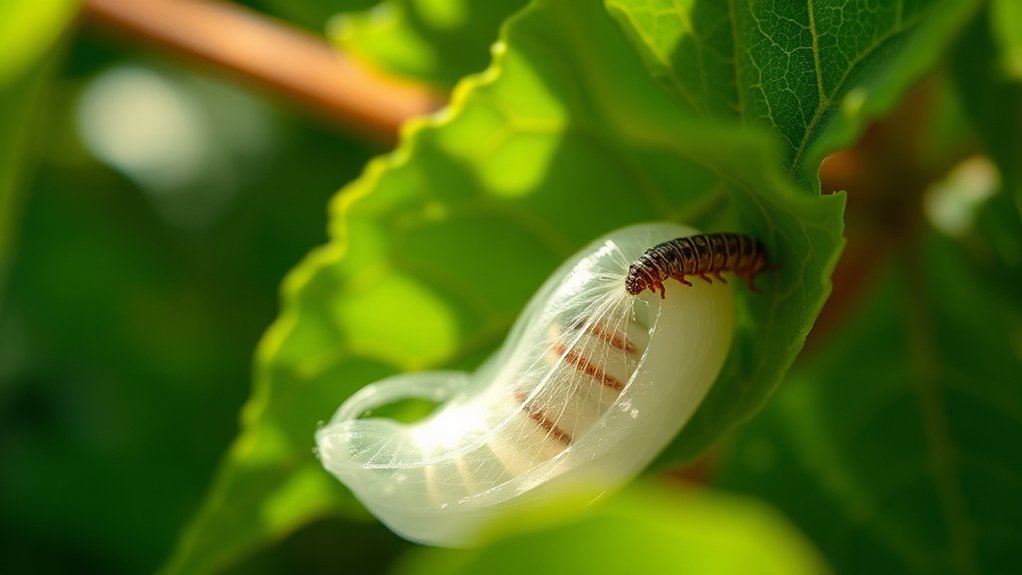
Silk is a natural fiber made by silkworms, most often from the cocoons of the mulberry silkworm. You’ll recognize it by its smooth feel, soft sheen, and light strength.
When you wear or handle silk, you notice how it drapes elegantly and takes dye beautifully. Its silk history stretches back thousands of years, especially in China, where it became prized for clothing, trade, and status.
Today, silk production still depends on careful harvesting and processing that turn cocoons into fine threads. You can find silk in garments, scarves, bedding, and upholstery because it combines comfort with luxury.
It’s also valued for being breathable and temperature-regulating, so it feels cool in warm weather and cozy in cooler air. If you want a fabric that looks refined and feels gentle, silk offers a classic choice with a long, fascinating tradition.
How Do Silkworms Make Silk?
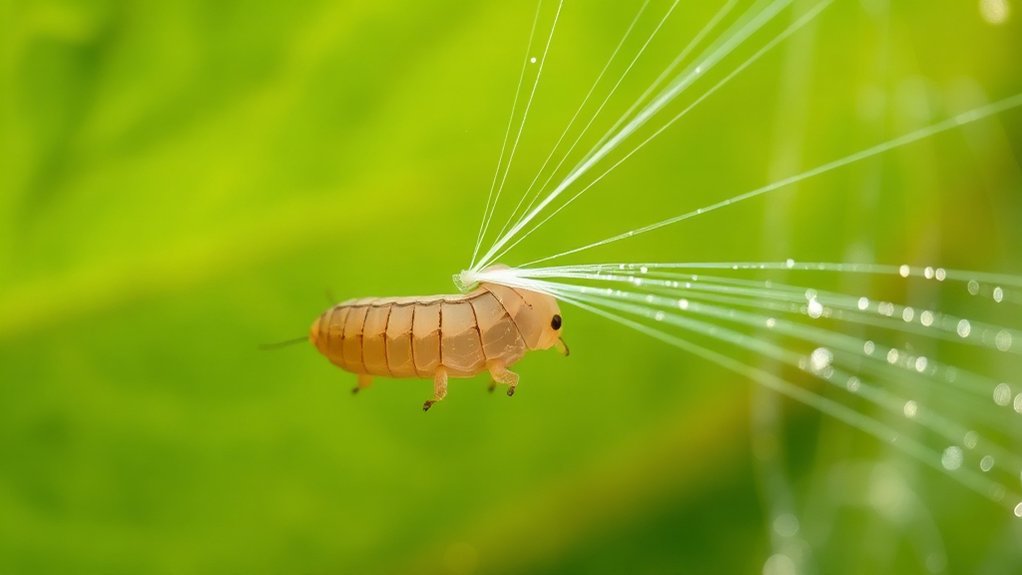
You can actually see silk starting inside a silkworm’s body. Special glands there turn proteins into fine fibers. These fibers form inside the worm and then move through tiny openings as it gets ready to spin. When it wraps itself in a cocoon, you can watch the silkworm draw out one long silk thread after another.
Silkworm Anatomy
A silkworm’s body is built for one remarkable job: turning mulberry leaves into fine silk thread. You can see this in its soft, segmented form, with a small head, chewing jaws, and a long digestive tract that powers growth.
As it moves through the silkworm life cycle, its body stores energy from constant feeding, which supports later silk production. Its silkworm habitat matters too, because warm, clean spaces help it stay healthy and feed well.
Inside, paired silk glands run along most of its body and create the material it will use later. When you watch a mature larva, you’re seeing anatomy adapted for eating, growing, and preparing the tools needed for silk-making.
Silk Fiber Formation
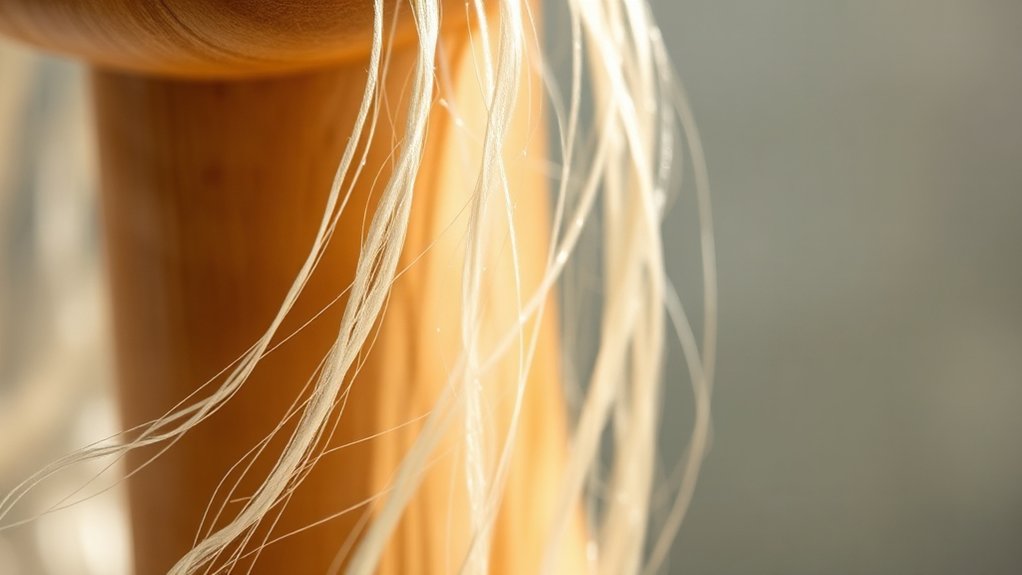
Inside the silkworm, silk begins as a liquid protein made in two long glands. It then moves toward the mouth through a narrow spinneret. As you watch this natural process, you can see how the liquid hardens when it meets air and becomes a strong filament.
The protein aligns quickly. Water leaves the strand. Pressure helps form one continuous fiber. The result supports silk properties like strength and sheen.
You benefit from this efficient biology because it creates a lightweight, resilient material without heavy processing. It also matters for environmental impact, since silkworms produce fiber with fewer synthetic chemicals than many man-made textiles. In this way, nature turns stored protein into silk you can value for performance and sustainability.
Cocoon Spinning Process
Once the silk protein hardens into filament, the silkworm starts spinning its cocoon by moving its head in a figure-eight pattern and laying down one fine thread after another. You can picture the insect coating itself in a continuous strand that may stretch for hundreds of meters.
As it spins, it anchors the thread, thickens the shell, and seals itself inside for transformation. Different spinning techniques affect the cocoon’s shape, density, and texture, which matters later for silk quality.
After the moth emerges, cocoon harvesting begins, and producers collect the intact cocoons before the filament breaks. You’re seeing a remarkable natural process: the silkworm turns simple proteins into a protective shelter and, ultimately, the raw material for silk.
What Is Silk Made From?
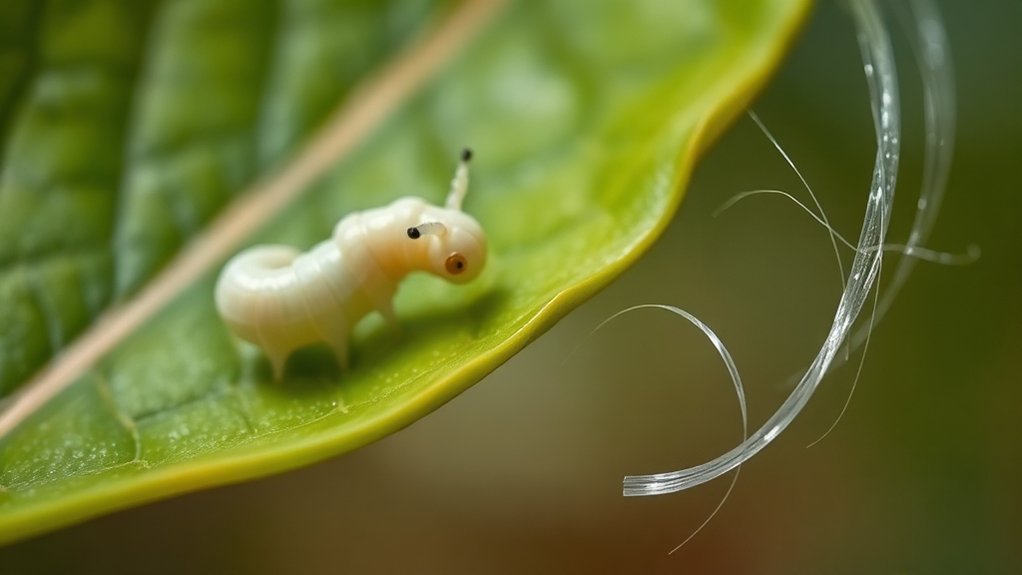
Silk comes from the proteins that silkworms spin to build their cocoons. When you unwind those cocoons, you get the natural fiber used in fabric. You’re looking at a material made mostly of fibroin, a strong protein core, with sericin wrapping the strands together.
In silk history, people prized this fiber for its rarity. Today, silk production still starts with careful cocoon collection and reeling.
- Silkworms create the raw material
- Proteins form the fiber structure
- Cocoon strands become thread
- Processing turns cocoons into fabric
When you choose silk, you’re choosing a fiber that begins in nature and ends in textiles, accessories, and home goods. Its source explains why makers value it so highly and why the material has stayed important for centuries.
Why Does Silk Feel So Smooth?
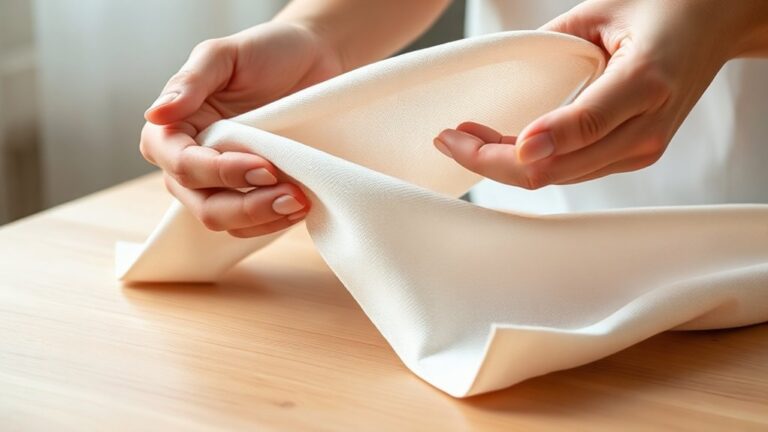
Its smooth feel comes from the way the fibers are built and finished. When you touch silk, you notice that each filament stays long, fine, and naturally uniform, so it glides over your skin instead of catching on it. The surface reflects light softly, which makes the silk texture seem polished and fluid.
During production, manufacturers often remove rough outer layers and then weave the threads tightly, so fewer bumps interrupt the surface you feel.
You also sense how silk responds to your body. It warms quickly, slips gently, and drapes without stiffness, which creates a calm sensory experience. Because the fibers contain little crimp and have a low-friction surface, your hand moves across them with ease.
That combination of structure, finish, and weave gives silk its signature softness, making it feel luxurious every time you wear or handle it.
What Are the Main Types of Silk Fabric?
When you look into silk fabrics, you’ll usually find two main types: mulberry silk and wild silk. Mulberry silk feels smooth and fine, almost like a gentle touch against your skin. On the other hand, wild silk has a more textured look and a natural character that gives it a unique charm. Knowing the difference between them can really help you pick the silk that works best for what you need.
Mulberry Silk
Mulberry silk is the most common and widely prized type of silk fabric, known for its smooth feel, natural sheen, and fine, uniform texture. You’ll notice it’s made from silkworms that feed on mulberry leaves, which helps create long, even fibers.
In silk history, this fabric has long stood out for quality, and modern silk production still favors it for consistency.
- Feels soft against your skin
- Drapes beautifully in clothing
- Takes dye with rich, even color
- Resists pilling better than many fibers
You can choose mulberry silk for dresses, bedding, scarves, and shirts when you want a polished look and dependable comfort. Because it’s refined and versatile, it remains the standard many people compare other silks to.
Wild Silk
Wild silk comes from silkworms that live outside controlled farms, so it often has a more irregular texture, deeper color variation, and a slightly coarser feel than mulberry silk. You’ll notice that its appeal comes from this natural character, which gives garments and textiles a distinctive, earthy look.
In wild silk history, people prized these fibers for rarity and resilience, especially in regions where harvests depended on local forests. Today, wild silk production still relies on careful collection of cocoons from species such as tussar, muga, and eri.
Because the worms aren’t raised on uniform diets, the yarn can vary in thickness and sheen. If you want a fabric with organic texture and strong visual interest, wild silk offers that unique balance of tradition and authenticity.
What Is Silk Used For Today?
Today, silk shows up in far more than luxury clothing. You’ll find it in everyday and specialist Silk applications, from elegant scarves and ties to bedding, lingerie, and eveningwear. It also appears in medical sutures, where its strength and flexibility help surgeons close wounds.
In cosmetics, silk proteins can support smooth textures in creams and hair products. Engineers and designers keep pushing Silk innovations, using it in lightweight insulation, biodegradable films, and lab materials.
- Fashion and accessories
- Bedding and home décor
- Medical sutures and bandages
- Cosmetics and technical materials
When you choose silk, you’re often choosing comfort, breathability, and a refined feel. You might wear it, sleep on it, or see it in high-performance products that need a natural fiber with useful properties. Today, silk isn’t just decorative; it’s practical, versatile, and still evolving.
How Does Silk Compare to Other Fabrics?
Compared with cotton, linen, wool, and synthetics, silk stands out for its smooth feel, natural sheen, and lightweight drape. When you wear it, you notice a refined finish that many other fibers can’t match.
It breathes well, regulates temperature, and feels luxurious against your skin. Compared with wool, it usually feels cooler; compared with synthetics, it often looks richer.
| Fabric | Feel | Strength |
|---|---|---|
| Silk | Smooth, soft | Moderate |
| Cotton | Crisp, breathable | Good |
| Synthetics | Slick, varied | High |
Silk durability depends on how much wear you give it, so it’s best for pieces you treat with care. For silk sustainability, you may appreciate that it comes from a natural fiber, though production methods matter too.
If you want elegance, comfort, and a distinctive look, silk gives you benefits that everyday fabrics rarely combine so well.
How Should You Care for Silk?
Silk needs gentle care if you want it to keep its sheen, softness, and shape. For everyday silk care, air it out after wearing and keep it away from rough surfaces, direct sunlight, and perfumes.
When you wash it, check the label first; many pieces need hand washing in cool water with a mild detergent. Don’t wring or twist the fabric, and never use bleach.
For silk cleaning, rinse well, then press out water with a clean towel. Lay it flat or hang it to dry away from heat. If you iron silk, use the lowest setting and place a cloth between the iron and the fabric. Store silk in a breathable bag, not plastic.
Test water on a hidden seam. Wash dark and light colors separately. Use padded hangers for delicate items. Spot clean stains quickly.
What Are the Benefits of Silk?
Beyond its delicate care, silk offers a range of practical and comfort-focused benefits. You’ll notice its smooth texture glides over your skin, reducing friction that can cause irritation or sleep creases. That’s one of the best silk benefits if you want a gentler feel against your face and body.
Silk also helps regulate temperature, so you can stay cooler in warm weather and feel comfortably insulated when it’s chilly. Its natural fibers wick moisture well, which can support a fresher, drier sleep experience.
You may also appreciate silk’s health advantages if you have sensitive skin or hair. It’s less likely to tug, snag, or rough up delicate strands, and it can feel soothing for those prone to discomfort.
Because silk is lightweight yet strong, it drapes beautifully and lasts with proper care. When you choose silk, you’re choosing comfort, elegance, and everyday ease in one fabric.
Is Silk Worth the Price?
Absolutely, the price of silk can feel high at first, but the value often shows up in how it looks, feels, and lasts. You’re paying for a natural fiber that drapes beautifully, breathes well, and adds a polished finish to clothing and bedding. When you compare silk pricing with cheaper fabrics, the difference often comes down to comfort, durability, and style.
If you want pieces that feel special and age gracefully, silk can be a smart buy.
- It feels smooth and cool against your skin.
- It adds an elegant look without extra effort.
- It can last a long time with proper care.
- It may justify the cost if you wear it often.
Still, silk value depends on your needs. If you want everyday performance and easy care, another fabric might suit you better. But if luxury, comfort, and timeless appeal matter to you, silk is often worth it.
Frequently Asked Questions
Can Silk Be Dyed Naturally?
Yes, you can dye silk naturally, and you’ll get beautiful results with the right approach. You can use natural dyeing techniques like onion skins, avocado pits, madder, or indigo. Then mordant the fabric first so the color bonds better.
You should test for silk colorfastness since some natural dyes fade faster than synthetics. With gentle heat and careful rinsing, you’ll create rich, lasting shades.
Does Silk Cause Allergies?
Yes, silk can cause allergies, but it’s uncommon. You may react to silk properties like residual sericin, dyes, or finishing chemicals rather than the fiber itself.
If you’re sensitive, choose washed, untreated silk and test it against your skin first. Silk benefits include breathability, softness, and moisture control, which often make it comfortable for many people.
Still, if you notice itching or redness, stop using it and consult a doctor.
How Long Does Silk Last?
Silk can last for decades if you care for it well. You’ll get better silk durability when you avoid harsh washing, direct sunlight, and rough wear.
Good silk maintenance means you hand wash gently or dry clean, store it in a cool, dry place, and keep it away from perfumes and heat. If you treat it carefully, silk stays beautiful and strong for years, often much longer than you’d expect.
Is Silk Eco-Friendly?
Silk can be eco-friendly, but you’ll find it depends on how it’s made. About 100,000 silkworms can produce just one kilogram of silk, so silk production uses a lot of resources.
You can lower its impact by choosing sustainable sourcing, including organic mulberry farms and peace silk. If you pick certified brands, you’ll support cleaner practices and fewer chemicals, making your purchase greener overall.
Can Silk Be Blended With Other Fibers?
Yes, you can blend silk with other fibers to create silk blends and interesting fabric combinations. You’ll often see silk mixed with cotton, wool, linen, or synthetics to improve strength, reduce cost, or change texture and drape.
You’ll still get silk’s soft sheen, but the other fiber can add warmth, stretch, or durability. When you choose these blends, you can balance luxury with practicality for everyday wear or home textiles.
Conclusion
Now you know what silk is, how silkworms make it, and why it feels so luxurious against your skin. You’ve also seen how it compares with other fabrics and why careful washing matters.
Here’s a striking fact: one silkworm can spin a single thread up to 3,000 feet long. That tiny creature helps create one of the world’s most prized textiles.
So if you value comfort and elegance, silk is often worth every penny.