Types of Cotton Fabric: Simple Guide
Choosing the right types of cotton fabric for your project can feel overwhelming. You’re not alone—many people struggle with picking the perfect type that matches their needs.
Whether you want something soft, durable, or breathable, understanding the differences can save you time and frustration.
Cotton fabric comes in several useful types, and each one fits a different project. You’ll find poplin for crisp shirts, twill for durable jeans and jackets, sateen for a smooth, polished finish, and jersey for soft stretch in T-shirts and loungewear.
Muslin and voile work well for light, airy sewing, while flannel adds warmth and denim brings toughness.
If you keep going, you’ll see which cotton suits your project best.
Key Takeaways
- Cotton is a natural fiber known for its softness, breathability, and strong moisture absorption.
- Common cotton weaves include plain, twill, satin, and canvas. Each weave affects the fabric’s feel and durability.
- Poplin, twill, sateen, jersey, muslin, voile, flannel, and denim are popular types of cotton fabric.
- Lightweight cotton suits warm-weather clothing. Heavier cotton offers more structure and durability.
- Choose cotton based on your project needs, fabric weight, drape, and care requirements.
What Makes Cotton Fabric Different

Cotton stands out because it’s a natural fiber that feels soft, breathes well, and absorbs moisture easily. When you choose cotton, you get comfort that works in warm weather and feels gentle against your skin.
Soft, breathable, and naturally comfortable, cotton keeps you cool while feeling gentle against your skin.
Its cotton properties make it versatile, so you can wear it for everyday basics, relaxed outfits, and items that need frequent washing. You’ll also notice strong fabric breathability, which helps air move through the cloth and keeps you from feeling stuffy.
Cotton is easy to dye and blend, so you’ll find it in many colors, textures, and finishes. Because it’s durable and familiar, you can rely on it for clothes that need to handle regular use without much fuss.
Compared with many synthetic fibers, cotton often feels more natural and less clingy, which is why you may reach for it again and again.
Common Cotton Weaves Explained
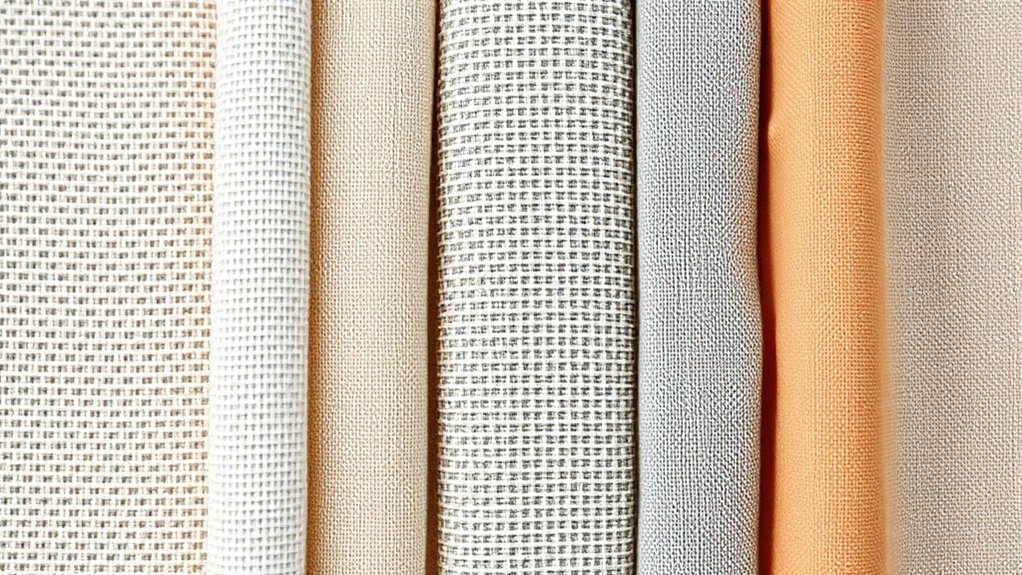
When you start looking at cotton fabrics, the weave is often what gives each one its distinct look, feel, and performance. You’ll notice that plain weave, twill, and satin styles each behave differently in daily use.
- Plain weave feels balanced and stable, so you can count on it for everyday wear.
- Twill weave creates a subtle diagonal pattern and adds a bit more drape.
- Satin cotton has a smooth, lustrous surface that feels soft and looks refined.
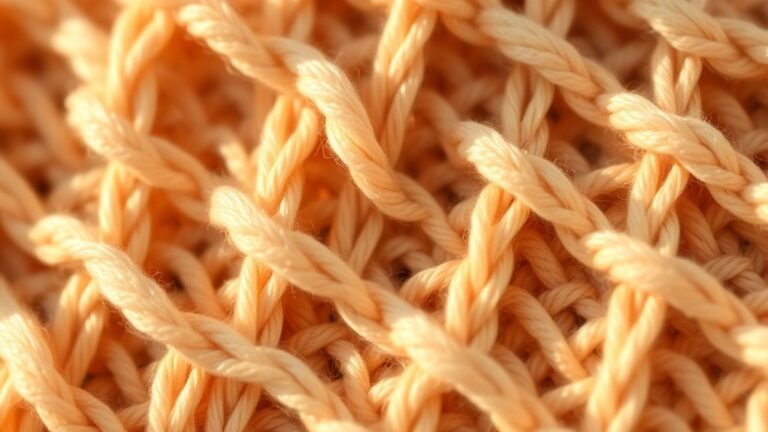
- Canvas cotton uses a tight, heavy weave that stands up to hard use.
You can spot weave differences by touching the fabric and checking how it bends, shines, and holds shape. These structures affect comfort, durability, and appearance without changing the fiber itself.
Once you recognize them, you’ll choose cotton with more confidence for clothing, home projects, or heavier-duty items.
Poplin Cotton Fabric

Poplin cotton fabric is a crisp, lightweight weave that gives you a smooth surface and a clean, polished look. You’ll notice its tight weave, fine yarns, and soft hand, which create clear poplin characteristics: structure without bulk, breathability, and a subtle sheen.
Because it holds its shape well, you can wear it for shirts, blouses, dresses, and lightweight liners that need a neat finish. The fabric also resists cling, so it feels comfortable in warm weather and layers easily under jackets or sweaters.
It holds its shape beautifully, feels comfortable in warm weather, and layers smoothly without cling.
When you want a fabric that looks refined but still feels easy to wear, poplin delivers. You can dress it up for work or keep it casual for everyday outfits.
Among poplin uses, tailoring, uniforms, and summer apparel stand out because the weave balances comfort and polish. If you need a versatile cotton that feels crisp, poplin’s a smart choice.
Twill Cotton Fabric
Twill cotton fabric really stands out because you can see its diagonal weave pattern, giving it a strong, textured look. You’ll often spot it in jeans, jackets, and sturdy shirts since it handles everyday wear so well. Plus, with proper care, it can stay durable and comfortable for a long time.
Twill Weave Pattern
If you’re looking for cotton with a bit more texture and strength, a twill weave is a great place to start. You’ll notice diagonal ribs that run across the surface, giving the fabric its signature look. These twill characteristics make the cloth feel sturdy yet flexible, while twill variations change the angle, width, and visibility of those lines.
- You can spot the pattern easily.
- The weave feels durable.
- It drapes better than flat weaves.
- It adds subtle depth.
When you compare options, look closely at the weave’s direction and tightness. That’s what gives twill cotton its distinct personality and dependable performance.
Common Twill Uses
From everyday shirts and workwear to chinos, jackets, and sturdy home textiles, twill cotton shows up wherever you need fabric that can handle regular use without losing comfort. You’ll often choose it for pants and blazers because its twill characteristics give the cloth a clean drape and a bit of structure.
It also works well for uniforms, aprons, tote bags, and upholstery when you want a practical surface with a polished look. In home projects, you can use twill applications for pillow covers, curtains, and slipcovers that need a refined finish.
Because the diagonal weave helps the fabric lie smoothly, you get versatile results in both casual and tailored pieces.
Care And Durability
Because twill cotton gets used in shirts, pants, and home textiles that see frequent wear, it’s worth knowing how to keep it looking good over time. You can boost durability with simple fabric maintenance habits and smart washing tips that protect the weave. Twill resists daily abrasion well, but harsh heat and rough cycles can still fade color or weaken fibers.
- Wash in cold water to reduce shrinking and color loss.
- Turn items inside out before laundering to limit surface wear.
- Use a gentle detergent and avoid bleach unless the label says it’s safe.
- Air-dry when you can, or tumble on low to preserve shape.
If you treat it carefully, twill stays sturdy, smooth, and dependable for years.
Sateen Cotton Fabric
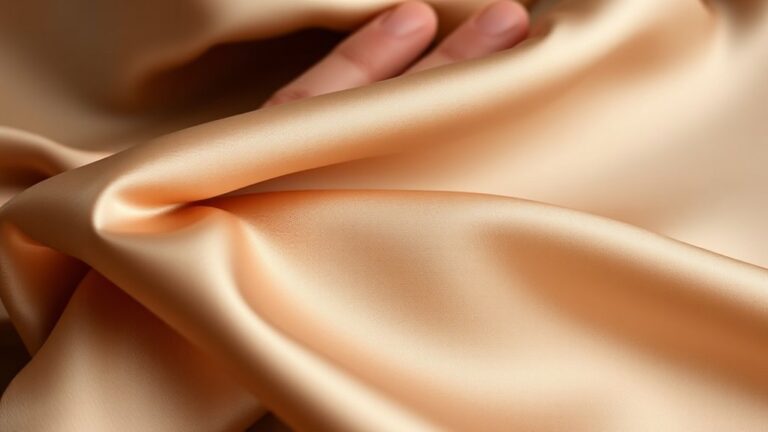
Sateen cotton fabric has a smooth, slightly glossy surface that gives it a polished, elegant look. You’ll notice its sateen sheen right away, which reflects light softly without looking overly shiny.
Because of its tightly woven structure, it feels supple and has a graceful sateen drape that works well for shirts, dresses, bedding, and lining pieces. You can enjoy its luxurious appearance while still getting the comfort of cotton.
Its tightly woven structure creates a supple drape, making sateen ideal for shirts, dresses, bedding, and linings.
It often feels heavier and more substantial than basic cotton weaves, so it hangs neatly and looks refined. If you want fabric that enhances simple designs, sateen is a smart choice.
It’s also easy to pair with tailored styles when you want a clean finish and a dressier effect. To keep it looking its best, wash it gently and avoid harsh heat that can dull the surface over time.
Jersey Cotton Fabric
Jersey cotton fabric feels soft, stretchy, and breathable. You’ll notice it moves comfortably with you throughout the day. It’s perfect for T-shirts, dresses, loungewear, and other casual pieces that need easy comfort. Plus, its smooth feel and flexible drape make it a practical choice for everyday clothing.
Jersey Cotton Features
Soft, stretchy, and easy to wear, this knit cotton fabric stands out for its comfort and flexibility. You’ll notice jersey characteristics like a smooth face, gentle drape, and natural breathability that keep it pleasant against your skin.
Because it stretches without feeling stiff, you get easy movement and a relaxed fit. These jersey applications make it a smart choice when you want fabric that feels casual yet polished.
- Soft surface
- Built-in stretch
- Breathable comfort
- Light drape
You can also count on it to recover well after wear, so it keeps its shape better than many knits. If you want a cotton fabric that feels simple, wearable, and reliable, jersey delivers.
Jersey Cotton Uses
When you want a fabric that’s comfortable and easy to live in, jersey cotton fits the job well. You’ll reach for it in T-shirts, sleepwear, loungewear, leggings, and casual dresses because it stretches, breathes, and moves with you.
You can wear it year-round, layering it in cool weather or using it alone on warm days. The jersey cotton benefits include softness against your skin, simple care, and enough give for active days.
You’ll also find many jersey cotton styles, from lightweight tees to thicker knits for structured looks. If you want everyday clothing that feels relaxed without losing polish, jersey cotton gives you dependable comfort and versatility.
It works especially well for travel, exercise, and kids’ clothes too.
Muslin Cotton Fabric
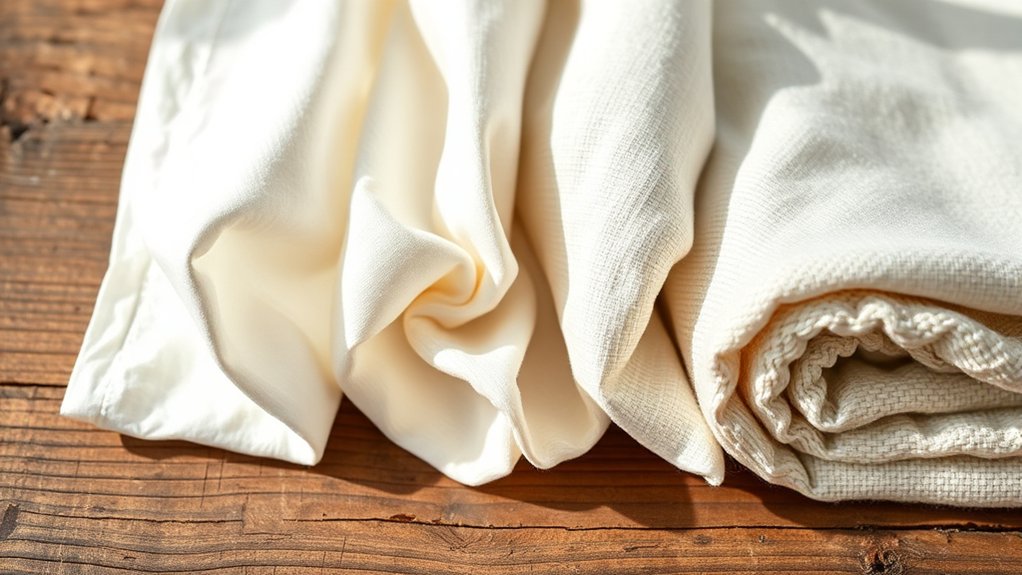
Muslin cotton fabric is a lightweight, plain-woven cotton known for its airy feel and versatile use. You’ll find it easy to cut, layer, and sew, which makes it a favorite for both beginners and experienced makers.
Lightweight muslin cotton is easy to cut and sew, making it a favorite for beginners and seasoned makers alike.
Its soft drape and natural breathability suit many everyday projects, while its simple weave keeps it affordable and practical. When you compare muslin characteristics, you’ll notice a slightly textured surface and a flexible structure that works well in pattern testing and crafting.
Common muslin uses include garment mockups, linings, curtains, and baby items.
- Easy to handle
- Breathable and soft
- Great for practice sewing
- Useful for simple home projects
Voile Cotton Fabric
Voile cotton fabric offers a lighter, more sheer feel than muslin, with a smooth drape that works beautifully in warm-weather projects. You’ll notice that voile characteristics include a soft hand, airy texture, and gentle translucence, so it feels refined without becoming stiff.
Because it’s woven from fine cotton yarns, you can use it when you want fabric that moves gracefully and stays breathable.
Voile applications are especially popular for blouses, dresses, scarves, linings, and gathered skirts. You can also choose it for curtains when you want sunlight to filter through softly.
If you sew with voile, use a sharp needle and fine thread to keep seams neat and avoid puckering. Since the fabric can be delicate, handle it carefully during cutting and pressing.
When you want a cotton fabric that looks elegant, feels cool, and drapes well, voile gives you a versatile option for polished, lightweight sewing projects.
Flannel and Denim Cotton Fabrics
Flannel and denim cotton fabrics bring two very different strengths to sewing projects: flannel feels soft, warm, and brushed against the skin, while denim offers durable structure and a sturdy, classic look. When you want cozy shirts, pajamas, or blankets, you’ll appreciate flannel qualities like a gentle drape and easy comfort. Denim characteristics make it a smart choice for jeans, jackets, totes, and workwear because it holds its shape and stands up to wear.
Flannel offers cozy softness and warmth, while denim delivers durable structure and lasting wear.
- Flannel traps warmth well.
- Denim resists daily abrasion.
- Both cotton fabrics sew reliably.
- You can wash them often.
Use flannel for relaxed pieces that need softness, and use denim when you need firmness and longevity. If you pair them with the right thread and needle, you’ll get clean seams and dependable results.
How to Choose the Right Cotton Fabric
After looking at flannel and denim, you can see how much cotton fabric choice affects the final result. Start by matching the fabric to your project. If you want softness and breathability, pick lightweight cotton for shirts, dresses, or summer bedding.
For structure and durability, choose heavier options for jackets, tote bags, or upholstery. Pay attention to fabric weight, because it affects drape, warmth, and how easily you can sew the material.
Compare cotton fabric types before buying: poplin feels crisp, twill offers strength, and sateen adds sheen. Check stretch, weave, and opacity too, since these details change comfort and appearance.
You should also wash a sample first if shrinkage matters. When you choose carefully, you’ll get better results and waste less fabric.
Think about care needs, too, because some cotton fabrics wrinkle more than others. If you’re unsure, ask for swatches and test them under real light.
Frequently Asked Questions
How Do I Wash Cotton Without Shrinking It?
You can wash cotton without shrinking it by using cold water, a gentle cycle, and mild detergent. Skip hot water, which can tighten the fibers. For pre-wash tips, check the care label and test any stain remover first.
Use drying methods like air drying or a low-heat setting, then remove the item while it’s slightly damp. Don’t over-dry because that’s when cotton often shrinks fast.
Is Organic Cotton Better for Sensitive Skin?
Yes, organic cotton can be better for sensitive skin. How annoying that something “natural” can still matter so much. You’ll often get fewer pesticide residues and fewer irritating chemical finishes, which supports sensitive skin care.
Organic cotton benefits include a softer feel and cleaner processing, so you may notice less redness or itching. Still, you should check dyes, weaves, and detergents too, because your skin won’t forgive what your shirt hides.
Which Cotton Fabrics Are Best for Summer Clothing?
For summer clothing, you’ll want cotton fabrics with lightweight options and breathable textures. You can choose voile, lawn, gauze, or percale because they feel airy and let heat escape. You’ll stay cooler in chambray too, since it’s light and durable.
If you want extra softness, pick cotton jersey, but avoid heavy denim or thick flannel. You’ll feel more comfortable all day when your fabric breathes well.
How Can I Tell Real Cotton From a Blend?
Sure, because guessing fabric is everyone’s favorite hobby: you can tell real cotton by checking fabric characteristics. Real cotton feels soft, breathes well, and wrinkles easily; a blend often feels slicker, stretches more, or dries faster.
For blend identification, read the label first, then do a burn test only if you’re safe and careful. Cotton burns like paper and leaves soft ash, while synthetics melt into hard beads.
Does Cotton Fabric Wrinkle Easily?
Yes, cotton fabric usually wrinkles easily, especially if you wash and dry it without much care. You’ll notice some cotton shirts and sheets crease faster than blends or treated fabrics.
For better wrinkle resistance, choose tighter weaves, ring-spun cotton, or cotton mixed with polyester. Good fabric care helps too: remove items promptly from the dryer, shake them out, and iron or steam them when needed for a smoother look.
Conclusion
Now you’ve got the cotton fabric basics down, and choosing the right one gets way easier. Whether you want crisp poplin, sturdy twill, silky sateen, airy voile, cozy flannel, or rugged denim, you’re basically holding a whole wardrobe universe in your hands.
Pick the weave that fits your project, and you’ll avoid a fabric flop of epic proportions. With the right cotton fabric, your sewing or shopping decisions can feel almost ridiculously simple.