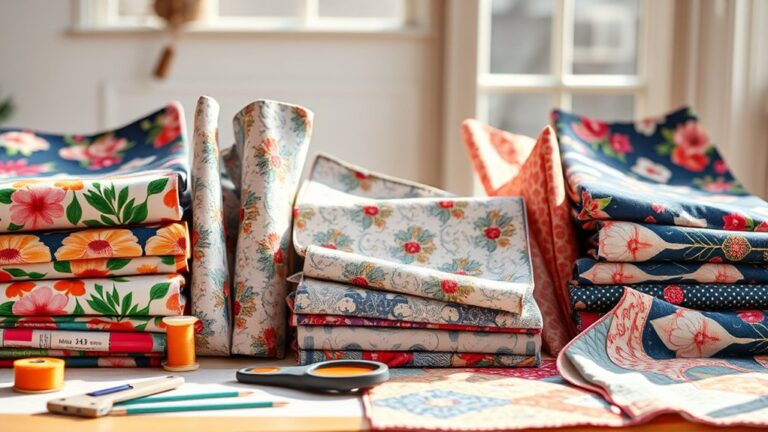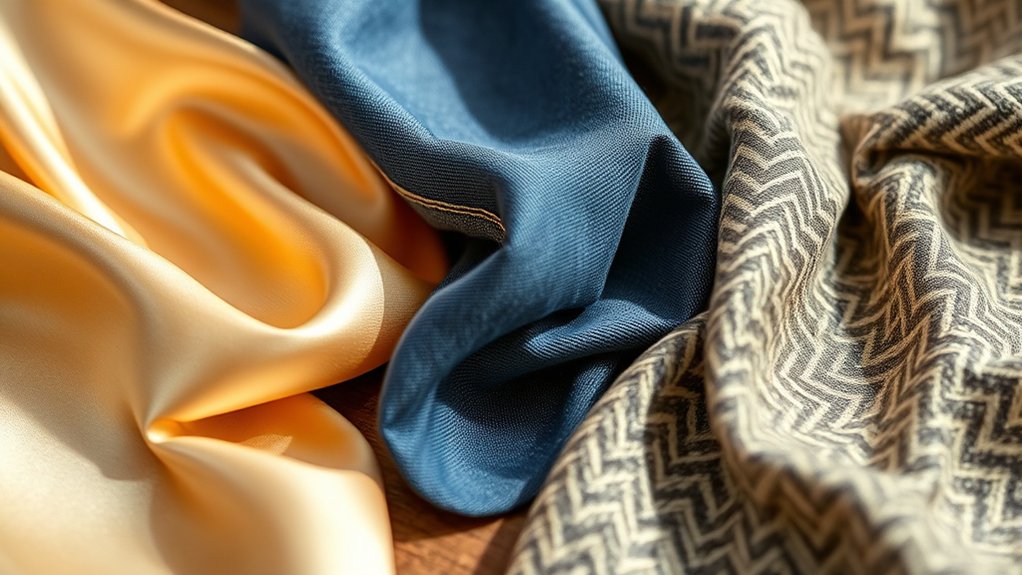
What Key Textiles and fashion Influence Modern Fashion?
Struggling to find the perfect balance between style, comfort, and sustainability in your wardrobe? You’re not alone. Many people want to update their closets with fabrics that look great, feel good, and support eco-friendly choices. Understanding the key textiles that influence modern fashion can make all the difference.
You rely on key textiles and fashions like cotton, polyester, silk, and sustainable fabrics to shape your modern wardrobe with style and comfort. Cotton and linen offer breathability and eco-friendly appeal, while silk adds a touch of luxury and elegance.
Polyester and technical fabrics boost performance and durability, driving activewear trends.
Sustainable and innovative textiles are transforming fashion with smart features and eco-conscious design. If you want to understand how texture, fiber choice, and future technologies shape fashion, keep exploring these essentials.
Key Takeaways
- Cotton, polyester, and sustainable fabrics dominate modern fashion because they’re versatile, comfortable, and eco-friendly.
- Polyester is popular for its vibrant, long-lasting color retention and moisture-wicking properties, especially in activewear.
- Natural fibers like cotton, linen, and silk offer breathability, durability, and a touch of luxury. They really shape responsible and elegant fashion choices.
- Technical and smart textiles boost performance and style with features like stretch, temperature adaptation, and interactive elements.
- Innovations in bio-fabrics, shape-memory textiles, and eco-friendly dyeing are pushing sustainable and futuristic fashion trends forward.
Key Textiles Defining Modern Fashion Today
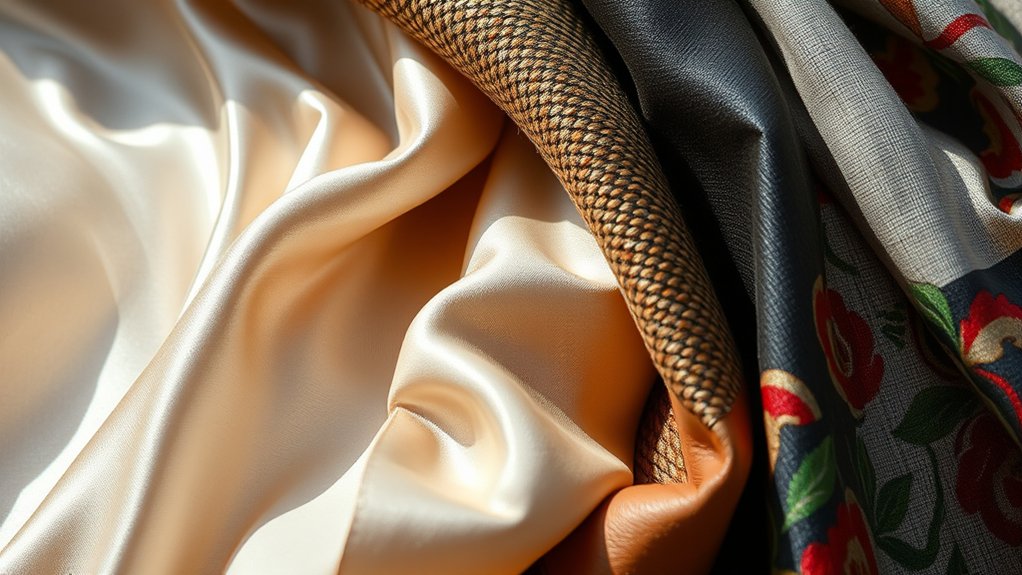
Three key textiles shape modern fashion today: cotton, polyester, and innovative sustainable fabrics. When you look at your favorite clothes, you’re seeing the results of intricate fabric weaving techniques that give textiles their strength and texture.
Fabric weaving isn’t just about function; it creates the foundation for style and durability. You’ll notice that textile dyeing plays an essential role in bringing these woven fabrics to life, offering vibrant colors and patterns that define trends.
Polyester, a synthetic textile, stands out because it holds dye exceptionally well, so colors stay bright and don’t fade easily. Meanwhile, sustainable fabrics are gaining traction for their eco-friendly production, often involving natural fibers woven in new ways to reduce environmental impact.
Why Natural Fibers Like Cotton and Linen Still Matter
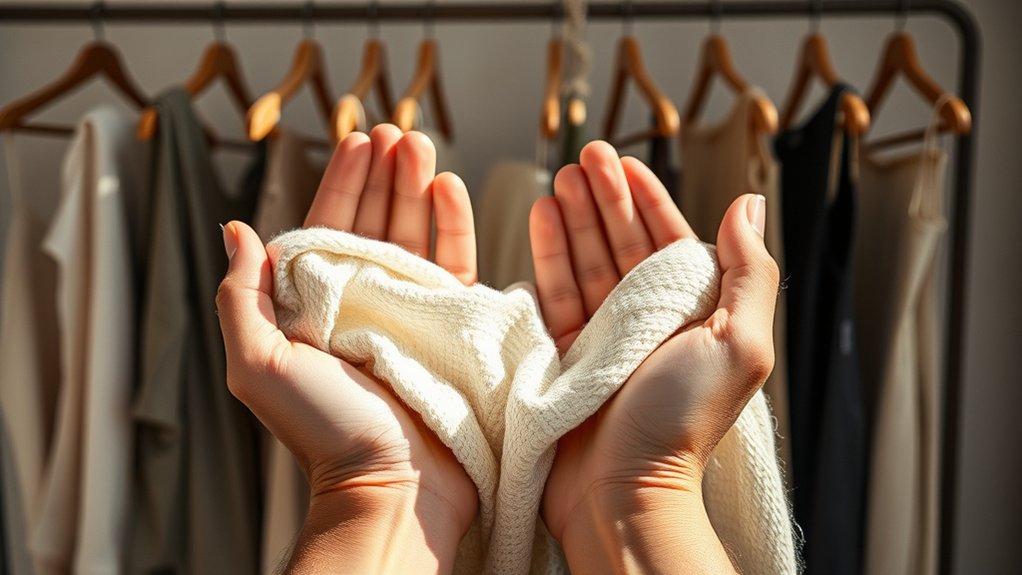
Although synthetic fabrics have gained popularity, natural fibers like cotton and linen still matter because they offer unmatched breathability and comfort. When you choose textiles from organic farming, you support sustainable practices that reduce chemical use.
Plus, natural fibers work beautifully with eco friendly dyes, minimizing environmental impact while maintaining vibrant colors. This makes your wardrobe both stylish and responsible.
Here’s why you should consider cotton and linen for your fashion choices:
| Feature | Benefit |
|---|---|
| Breathability | Keeps you cool and dry |
| Durability | Long-lasting wear |
| Sustainability | Supports organic farming |
| Eco Dye Compatibility | Uses safer, less toxic dyes |
How Silk Defines Luxury and Elegance in Fashion
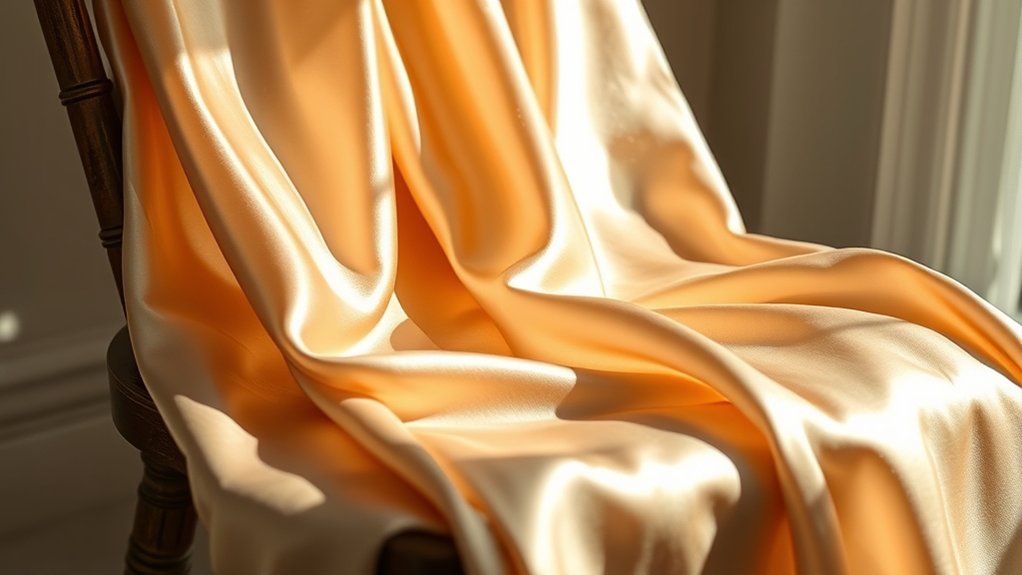
Silk has long symbolized luxury and elegance, instantly raising any garment you wear. When you choose silk, you adopt not just softness but a timeless appeal that radiates silk luxury. Its natural sheen and smooth texture make it stand out, giving you that unmistakable edge of sophistication.
You’ll notice how silk elegance transforms simple designs into statement pieces. Whether it’s a flowing dress or a tailored blouse, silk drapes beautifully, enhancing your silhouette. The fabric breathes, feels light against your skin, and moves with grace, qualities you can’t replicate with synthetic textiles.
Moreover, silk’s rich history connects you to centuries of craftsmanship, reinforcing its status in high fashion. By incorporating silk into your wardrobe, you don’t just wear fabric; you wear a symbol of refinement. That’s why designers continuously turn to silk to define modern luxury and raise elegance in fashion.
The Rise of Sustainable Fabrics in Modern Design
As you explore modern fashion, you’ll see sustainable fabrics gaining momentum for their eco-friendly benefits and innovative qualities. Designers increasingly choose recycled fibers, turning waste materials into stylish, durable textiles that reduce environmental impact. These fibers not only conserve resources but also add unique textures and stories to garments, appealing to conscious consumers like you.
You’ll also notice a shift toward plant-based dyes, which replace harmful chemical dyes with natural pigments extracted from flowers, fruits, and leaves. This method minimizes water pollution and supports biodiversity, making your fashion choices kinder to the planet.
Sustainable fabrics offer more than just environmental advantages. They inspire creativity and redefine modern style by blending ethics with aesthetics. Embracing these textiles lets you support a fashion industry that values responsibility without sacrificing design innovation. The rise of sustainable fabrics truly marks a transformative chapter in how you experience and influence fashion today.
Why Synthetic Fabrics Drive Fashion Innovation
You’ll find synthetic fabrics really push fashion forward because they’re durable and flexible. This lets designers create pieces that not only last but also move with you. And it’s not just about how they feel or hold up—these materials often come from more sustainable manufacturing processes, which helps reduce environmental impact. On top of that, their versatility opens up endless design possibilities that traditional fabrics just can’t match.
Enhanced Durability And Flexibility
When fashion demands both resilience and comfort, synthetic fabrics rise to the challenge by offering improved durability and flexibility. You’ll find these materials withstand wear and tear much better than many natural fibers, making your garments last longer without sacrificing comfort.
This strength allows designers to experiment boldly with vintage patterns, reviving classic looks while using modern color palettes that pop and stay vibrant through countless washes. Because synthetics bend and stretch with your movements, they offer you freedom and ease, whether you’re in activewear or tailored pieces.
This combination of toughness and adaptability lets fashion evolve rapidly, blending timeless styles with contemporary performance. So, when you choose synthetic fabrics, you’re not only embracing innovation but also enjoying clothing that keeps up with your lifestyle effortlessly.
Sustainable Manufacturing Processes
How do synthetic fabrics contribute to more sustainable manufacturing in fashion? You’ll find that synthetic fabrics enable innovative dyeing techniques that reduce water and chemical use considerably. Unlike traditional fibers, synthetics can be engineered to absorb colors more efficiently, cutting down waste and pollution.
Plus, these fabrics support textile recycling better than many natural fibers, allowing you to repurpose old garments into new ones, which lowers overall environmental impact. When you opt for synthetic textiles, you’re tapping into a system designed for circularity and reduced resource consumption.
This means less strain on raw materials, energy use, and waste generation. By embracing synthetics, you’re helping fashion brands innovate toward greener production without compromising style or performance.
Versatile Design Applications
Because synthetic fabrics can be engineered with specific properties, they open up endless possibilities for designers to push creative boundaries. When you work with these textiles, you gain remarkable control over textile coloration, allowing vibrant, consistent hues that natural fibers often can’t achieve.
Advanced dyeing techniques further improve your ability to create eye-catching patterns and textures without compromising fabric performance. You can experiment with stretch, durability, and moisture-wicking features, tailoring garments to meet diverse fashion needs.
This versatility means you’re not limited by traditional fabric constraints; instead, you can innovate with shapes, fits, and finishes that stand out. Ultimately, synthetic fabrics empower you to blend aesthetics and functionality seamlessly, propelling modern fashion innovation in exciting new directions.
Why Denim Is a Fashion Textile Staple
Although denim started as durable workwear, it’s now one of the most versatile and iconic textiles in fashion. You’ll find denim everywhere, from classic jeans to chic jackets, thanks to its ability to adapt to changing trends.
Denim evolved from sturdy workwear to a versatile fashion staple, seamlessly adapting to every trend.
The vintage revival has brought denim back into the spotlight, with retro washes, cuts, and distressed finishes making a big comeback. This resurgence taps into nostalgia while keeping styles fresh and relevant.
Denim also carries strong cultural symbolism. It represents rebellion, freedom, and individuality, making it a powerful fabric for self-expression.
When you wear denim, you’re tapping into a rich history that spans decades and social movements. Its durability and timeless appeal guarantee it remains a staple in your wardrobe, no matter how fashion evolves.
Denim’s blend of practicality and cultural significance keeps it at the heart of modern fashion.
Technical Fabrics Driving Activewear Trends
As active lifestyles continue to shape fashion, technical fabrics have taken center stage in activewear trends. You’ll notice these materials aren’t just about performance. They also utilize color psychology and cultural symbolism to influence how you feel and express yourself. Bright colors can energize your workout, while darker tones offer a sleek, confident vibe.
Technical fabrics like moisture-wicking polyester and breathable nylon keep you comfortable. Smart textiles adapt to temperature changes.
Here’s a quick look at key technical fabrics and their features:
| Fabric Type | Key Benefits |
|---|---|
| Polyester | Moisture-wicking, durable |
| Nylon | Breathable, lightweight |
| Spandex | Stretchy, shape-retaining |
| Smart Textiles | Temperature regulation, adaptive |
How Textile Texture Makes a Fashion Statement
How does textile texture influence the way you express your style? Texture adds depth and personality to your outfits, shaping how others perceive you. From the smooth sheen of silk to the rough weave of burlap, textures create visual and tactile contrasts that speak volumes without words.
Fashion history shows us that texture has always mattered; think of velvet in royal garments or the rugged denim emblematic of rebellion. Textile chemistry plays a vital role here, as it determines how fibers interact, feel, and finish.
Innovations in chemical treatments can make fabrics softer, more structured, or even give them unique surface patterns. When you choose textured textiles, you’re tapping into a language of touch and appearance, making a statement beyond color or cut.
Texture lets you showcase your mood and identity, whether you want to appear bold, elegant, or approachable. So, by understanding texture’s power, you enhance your fashion choices to a whole new level.
How Fabric Choice Affects Comfort and Wearability
When you’re picking out fabric, it helps to think about how breathable it is and how well it manages moisture—this way, you’ll stay comfortable all day long. The texture and feel against your skin really matter too; it can totally change how wearable the clothes feel. And don’t forget about durability and how easy the fabric is to care for—these things will help your clothes look great for much longer.
Breathability and Moisture Control
Although many factors influence comfort, the breathability and moisture control of your clothing play an essential role in how wearable it feels throughout the day. When fabric allows proper air circulation, it helps regulate your body temperature, keeping you cool in warm weather and preventing overheating.
Moisture-wicking textiles actively draw sweat away from your skin, promoting faster evaporation and reducing discomfort caused by dampness. Choosing fabrics with these qualities means you won’t feel sticky or clammy, even during physical activity.
Modern fashion increasingly prioritizes these performance features, blending style with function so you can stay comfortable without sacrificing appearance. Understanding how breathability and moisture control work will help you select clothing that supports your lifestyle and keeps you feeling fresh all day long.
Fabric Texture and Feel
Since the texture of fabric directly touches your skin, it has a huge impact on your comfort throughout the day. When you choose textiles with smooth, soft textures, you’ll feel more at ease, while rough or stiff fabrics might irritate your skin.
Textile patterns also influence how fabric feels; raised or embossed patterns add dimension but can affect softness. Moreover, dye techniques play a role not just in color but in texture. Some dyeing methods create a softer finish, while others might stiffen the fabric.
When selecting your wardrobe, pay attention to these details. Opt for fabrics that balance appealing patterns and comfortable textures, ensuring you look good and feel great without sacrificing wearability. Your fabric choice directly shapes your daily comfort and style.
Durability and Maintenance
Choosing the right fabric impacts not only how your clothes feel but also how long they last and how easily you can care for them. When you pick durable textiles, you get comfort that withstands wear and tear, reducing the need for frequent replacements.
Fabrics like cotton and wool balance softness with resilience, making maintenance simpler while keeping you comfortable.
Future Textile Innovations That Will Transform Fashion
As technology advances, you’ll see textiles evolving in ways that redefine fashion entirely. Future innovations draw inspiration from historical influences and cultural symbolism, blending tradition with cutting-edge materials.
Imagine fabrics that adapt to your body temperature or change color based on your mood, enhancing both comfort and expression. Smart textiles will transform how you interact with clothing, making fashion more personalized and sustainable.
Here’s a quick look at some game-changing textile innovations:
| Innovation | Feature | Impact on Fashion |
|---|---|---|
| Bio-fabrics | Grown from microorganisms | Eco-friendly, sustainable |
| Shape-memory | Changes shape with heat | Dynamic styling options |
| Interactive Textiles | Embedded sensors and LEDs | Customizable aesthetics |
You’ll find these innovations not only honor cultural heritage but also push the boundaries of creativity, ensuring fashion remains vibrant and relevant.
Frequently Asked Questions
How Do Textile Dyes Impact Environmental Sustainability?
You should know that textile dyes considerably impact environmental sustainability. Synthetic dye impacts include water pollution and toxic waste, harming ecosystems.
To reduce this, you can choose eco friendly dyes made from natural ingredients, which break down more easily and use less water. By opting for eco friendly dyes, you help minimize harmful chemical runoff and protect the environment, making your fashion choices more sustainable and responsible.
What Role Do Cultural Textiles Play in Global Fashion Trends?
You see cultural textiles shape global fashion trends through cultural symbolism, through traditional craftsmanship, and through timeless storytelling. They connect you to history and heritage while inspiring innovation and creativity.
How Does Textile Production Affect Labor Markets Worldwide?
You see, textile production directly impacts labor markets worldwide by shaping supply chains that often span multiple countries. When you’re involved in fashion, you realize how vital labor rights are since many workers face poor conditions and low wages.
Supporting ethical supply chains means advocating for fair treatment and better standards globally. So, your choices in sourcing textiles can promote improved labor rights and influence the livelihoods of millions in the industry.
What Are the Historical Origins of Key Fashion Textiles?
You might be surprised to learn that silk production dates back over 5,000 years in ancient China, showcasing incredible historical craftsmanship. This textile evolution began with handwoven fibers like wool and flax, cultivated by early civilizations such as the Egyptians and Mesopotamians.
Understanding these origins helps you appreciate how traditional techniques shaped modern fabrics, blending artistry with innovation to influence the textiles you see in fashion today.
How Do Textile Care Practices Influence Garment Longevity?
You’ll find that proper fabric maintenance directly boosts garment durability. When you follow care labels and use gentle washing techniques, you reduce wear and tear.
Avoiding harsh chemicals and excessive heat keeps fibers strong, so your clothes last longer. Regularly treating stains and storing items correctly also prevents damage.
Conclusion
Think of modern fashion as a vibrant garden where each textile is a unique flower. Natural fibers like cotton and linen are the sturdy roots, grounding you in comfort and tradition. Silks bloom with luxury, while sustainable and synthetic fabrics are the new buds pushing innovation forward.
As you select your fabrics, remember: just like a garden thrives on diversity, your style blossoms when you explore textures and technologies. This way, you shape a wardrobe that’s both timeless and future-ready, showing how key textiles influence modern fashion.