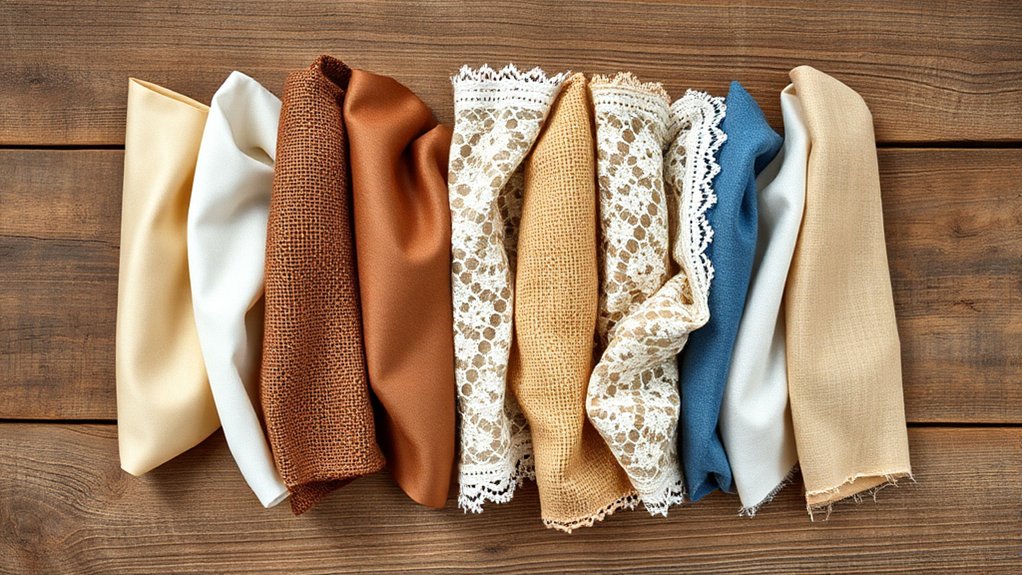
10 Types of Fabric and Their Uses
Choosing the right fabric for your clothes can feel overwhelming. You want something comfortable, stylish, and suitable for the weather, but with so many options, it’s easy to get confused. You’re not alone—many people struggle to pick the perfect fabric that fits their needs and lifestyle.
You can choose fabric based on comfort, weather, and the look you want.
Cotton works well for everyday clothing, linen keeps you cool in hot weather, silk suits dresses and formal wear, and wool adds warmth in cold layers.
Polyester is durable, rayon drapes softly, velvet feels rich for eveningwear, spandex adds stretch, and leather or faux leather works for accessories.
Each fabric changes how your clothes fit, feel, and last, and more details can help you choose better.
Key Takeaways
- Cotton is soft, breathable, and durable, making it ideal for T-shirts, jeans, underwear, and casual dresses.
- Linen is lightweight, breathable, and quick-drying, so it suits hot-weather clothing and relaxed summer styles.
- Silk offers a smooth sheen and elegant drape, making it a strong choice for formal wear and special occasions.
- Wool traps heat while still breathing, making it useful for sweaters, winter layers, and cold-weather accessories.
- Polyester, spandex, velvet, and leather each add durability, stretch, luxury, or style for everyday and specialty uses.
Cotton Fabric for Everyday Clothing
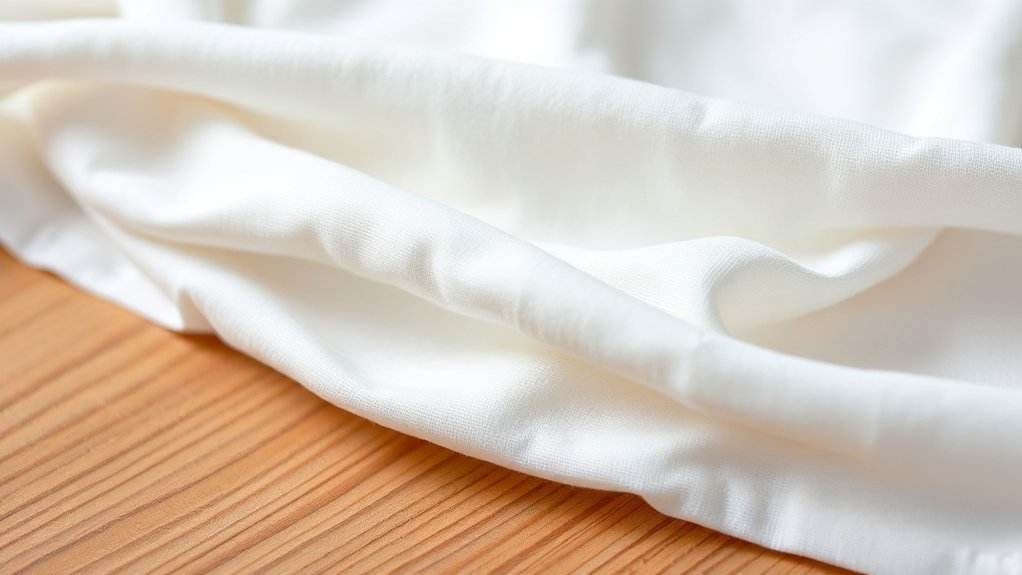
Cotton fabric is a go-to choice for everyday clothing because it feels soft, breathes well, and holds up to regular wear. You can count on it for T-shirts, shirts, jeans, underwear, and casual dresses because it feels comfortable against your skin and handles frequent washing.
When you choose cotton blends, you get extra stretch, wrinkle resistance, or durability while keeping the familiar softness you want. If you care about lower-impact options, look for sustainable cotton made with better farming methods and reduced water or chemical use.
You’ll also find cotton easy to dye, so it comes in countless colors and prints that fit your style. For daily outfits, cotton gives you a practical balance of comfort, versatility, and simple care. It’s a fabric you can wear often, wash easily, and rely on for everyday use.
Linen Fabric for Hot-Weather Wear
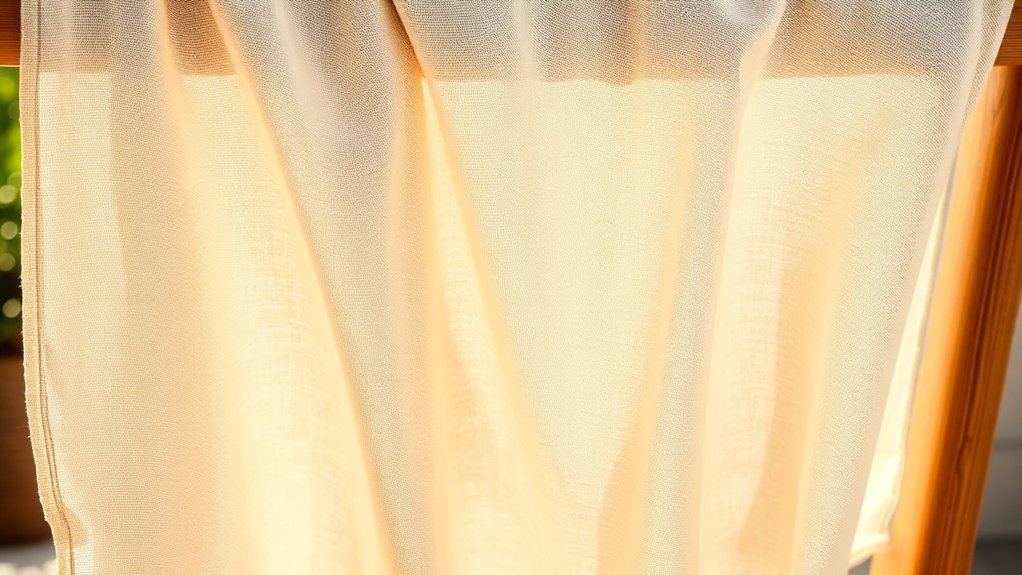
When the temperature rises, linen is one of the best fabrics you can wear because it’s lightweight, breathable, and quick to dry. You’ll appreciate its breathable properties on humid days since the fabric lets air move freely and helps reduce cling.
Linen’s moisture absorption also keeps you cooler, drawing sweat away from your skin faster than many heavier materials. Because it comes from natural fibers, you can feel good about choosing it, especially when you look for sustainable sourcing from responsible producers.
You’ll notice texture variations too, from crisp and structured to softened and relaxed, which give linen a distinctive look. Its color options range from soft neutrals to rich, washed tones, so you can style it easily.
For best results, follow simple care instructions: wash gently, avoid high heat, and air-dry when possible. Linen’s historical significance adds timeless appeal.
Silk Fabric for Dresses and Formal Wear
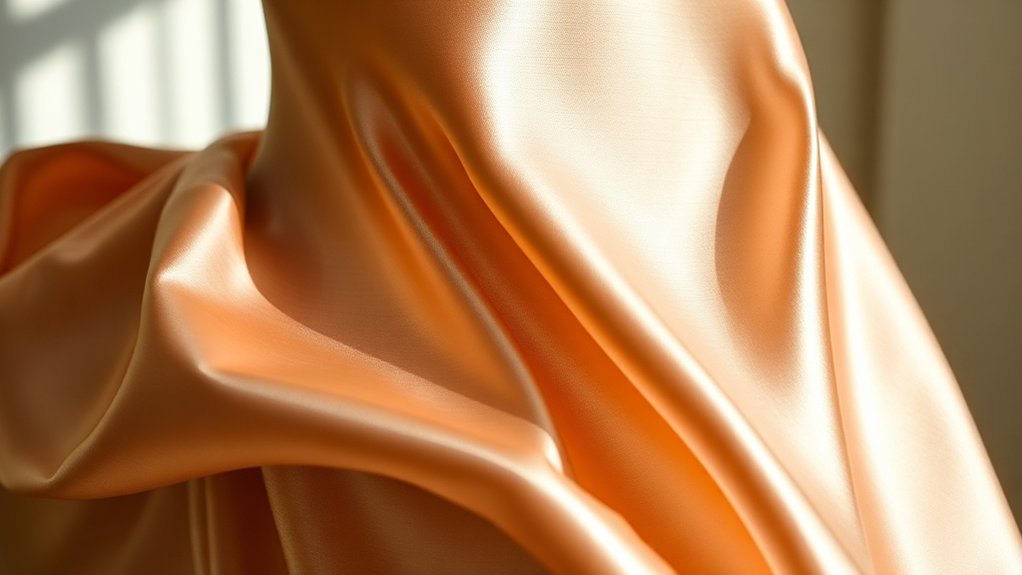
Silk drapes beautifully, so you’ll see it flow smoothly over your shape. It gives dresses and formal wear a rich, elegant look that feels refined right away.
When you want standout style for special occasions, silk can make your outfit look polished and graceful. It’s the kind of fabric that just elevates your whole look without much effort.
Silk Draping Qualities
For dresses and formal wear, this fabric stands out for its fluid drape and natural sheen, which help garments move elegantly and catch the light beautifully. You’ll notice how silk follows your shape without feeling stiff, so seams fall smoothly and hems swing with ease.
Its fine fibers let you create soft gathers, bias cuts, and flowing layers that look polished with little effort. If you want the best results, handle silk care gently: use cool water, mild detergent, and low heat.
Its long silk history explains why designers still value it for refined silhouettes and graceful movement. You can rely on it when you want fabric that drapes naturally, feels luxurious, and adds subtle texture without overpowering your design.
Formal Wear Elegance
Because formal wear depends on a polished finish, silk gives dresses and evening pieces the elegant movement and subtle shine that make them stand out. When you choose silk, you’re choosing one of the most trusted formal wear fabrics for galas, weddings, and refined dinners.
It works beautifully with elegant tailoring, since the fabric skims the body without looking stiff or bulky.
- You get a graceful drape that flatters your shape.
- You add depth with a soft, luminous surface.
- You support precise seams and clean lines in formal wear.
- You create a timeless look that feels luxurious.
Pair silk with simple accessories, and let the fabric do the work. Its natural elegance helps you look polished without trying too hard.
Wool Fabric for Warm Layers
When you need reliable warmth, wool is one of the best fabrics to reach for because it traps heat while still letting your skin breathe. You can count on wool insulation to hold warmth close to your body, making it ideal for sweaters, base layers, and winter accessories. At the same time, wool breathability helps move moisture away, so you don’t feel clammy when temperatures change.
You’ll also appreciate how wool keeps insulating even when the air feels damp, which makes it a smart choice for outdoor wear. Choose lighter knits for indoor comfort and thicker weaves for colder days. If you layer wool under a coat, you get steady warmth without bulky volume.
Care for it gently, and it’ll serve you well season after season. Wool gives you dependable comfort, natural performance, and a classic look you can wear almost anywhere.
Polyester Fabric for Durable Clothing
Polyester is a go-to fabric when you need clothing that can take repeated wear without losing shape. You’ll find it in performance fabrics, everyday basics, and fashion trends because it offers moisture wicking, stain resistance, and strong color retention. Polyester blends can add softness, stretch, or breathability, while lightweight alternatives keep your outfits comfortable in warmer weather.
Polyester delivers durability, moisture control, and vibrant color, making it a reliable choice for everyday wear.
- Choose polyester for durability and easy layering.
- Check manufacturing processes if you want eco friendly options and recycled fibers.
- Follow care instructions: wash cool, avoid high heat, and dry quickly.
- Pick blends that match your activity, style, and comfort needs.
You’ll appreciate how polyester resists wrinkles and keeps looking fresh after many washes. If you want dependable clothing that performs well and stays vivid, polyester delivers practical value without demanding much upkeep.
Denim Fabric for Jeans and Jackets
Denim has a tight weave that makes it super strong and long-lasting, perfect for everyday wear. You’ll often find it in jeans because it holds up really well and keeps its shape over time. Plus, it’s not just for jeans—denim works great for jackets too. It gives you a sturdy layer that looks classic and stylish.
Denim Weave Durability
Denim stands out for its durability because its tightly woven twill structure helps it resist wear, fraying, and everyday abrasion. You get a fabric that holds its shape while softening with use, so it stays reliable over time. That lasting quality supports denim sustainability because you replace it less often, and it keeps denim fashion practical as well as stylish.
- Tighter weave slows surface damage.
- Indigo dyeing hides minor fading.
- Heavy yarns boost strength.
- Repeated wear adds comfort, not weakness.
You can choose lighter or heavier denim depending on how much resilience you need. Even then, the weave remains the key reason denim endures.
Jeans And Jacket Uses
That durability is why denim works so well in jeans and jackets. You rely on jeans for everyday wear because they hold shape, resist abrasion, and get better with time. Denim moves with you, so you can work, walk, or relax without feeling restricted.
You also reach for jackets when you want a layer that adds structure and comfort. Different jacket styles let you dress denim up or down, from a classic trucker to a cropped fit.
With proper denim care, you keep color, texture, and strength intact longer. Wash sparingly, use cool water, and air dry when possible. When you choose denim, you choose fabric that handles frequent use and still looks sharp.
Rayon Fabric for Soft, Drapey Garments
Rayon is a go-to fabric when you want a garment to feel soft and flow with movement. It drapes beautifully and has a smooth, silky hand.
You’ll see rayon types like viscose, modal, and lyocell in rayon fashion. Each offers a different texture and drape for dresses, blouses, and linings.
Rayon blends can add strength and reduce wrinkling. So, you get better uses in everyday pieces.
- Choose rayon when you want fluid shape.
- Compare rayon vs. cotton for cooler drape.
- Follow rayon care: wash gently and dry flat.
- Check rayon sustainability and history before you buy.
With the right cut, you’ll enjoy movement without bulk. Your outfit will feel polished yet easy to wear.
Velvet Fabric for Eveningwear and Décor
Velvet brings a rich, luxurious look that instantly enhances eveningwear and makes any outfit feel special. It’s got this plush texture that adds depth, sheen, and a bit of drama to dresses, jackets, or accessories.
And when it comes to décor, velvet works wonders too. Think pillows, curtains, and upholstery—using velvet in these areas creates a warm, elegant atmosphere that really stands out.
Velvet’s Luxurious Appeal
With its dense pile and subtle sheen, this fabric instantly adds drama and elegance to garments and interiors alike. You notice velvet’s luxurious appeal in the way it catches light and deepens color, giving every piece a rich, polished presence.
Its velvet history stretches from royal courts to modern wardrobes, and that legacy still shapes how you experience it today. When you choose it, you’re choosing softness, structure, and visual depth.
- You get instant sophistication.
- You enjoy a plush hand feel.
- You add warmth without bulk.
- You create a memorable finish.
Good velvet care helps preserve the pile, so your favorite pieces keep their sumptuous look longer. Whether you wear it or display it, velvet makes a confident statement.
Styling Velvet In Décor
When you bring velvet into your décor, you can balance its rich texture with clean lines and muted tones. This creates a look that feels polished rather than overpowering. You might layer velvet cushions, drape a chair, or anchor a room with a sofa in deep jewel hues.
Keep the rest of your space simple so the fabric shines.
| Styling choice | Effect |
|---|---|
| Velvet pillow | Adds softness |
| Accent chair | Creates focus |
| Curtain panels | Deepens warmth |
| Ottoman | Brings comfort |
| Rug detail | Grounds the room |
Mix velvet textures with wood, metal, or glass, and choose luxurious colors like emerald, navy, or plum for depth. In eveningwear, those same shades can guide your décor choices too.
Spandex Fabric for Stretch and Comfort
Spandex gives fabrics their signature stretch, helping garments move with your body while still snapping back into shape. You’ll find it blended into activewear, swimwear, and fitted basics because it supports stretch applications without weighing cloth down.
The fiber also boosts comfort benefits, so you can bend, reach, and sit with less restriction during busy days or workouts. Its recovery helps clothes keep their fit, which means you won’t fight sagging knees, baggy elbows, or loose waistbands as quickly.
- Leggings that flex with every stride
- Tops that stay close without feeling tight
- Dancewear that lets you move freely
- Undergarments that improve everyday comfort
You can choose spandex-rich fabrics when you want movement, shape retention, and a smooth feel against your skin. It’s a smart option whenever flexibility matters most.
Leather and Faux Leather for Accessories
Leather and faux leather bring structure, texture, and a polished look to accessories like bags, belts, wallets, and shoes. You can use leather for long-lasting pieces that age beautifully, while faux leather gives you a budget-friendly option with a similar finish.
For accessory styling, choose smooth leather for classic outfits and textured faux leather for trend-driven looks. A durability comparison usually favors genuine leather, but quality faux leather can still handle daily wear well.
You should also think about environmental impact, since faux leather avoids animal use, though some versions rely on plastics. If you want your pieces to last, follow simple leather care with conditioning, gentle cleaning, and dry storage.
For faux leather, wipe spills quickly and avoid heat. These materials also inspire crafting ideas, from custom straps to handmade clutches. Smart maintenance tips help you keep accessories sharp, practical, and stylish.
Frequently Asked Questions
Which Fabrics Are Most Eco-Friendly and Sustainable?
You’ll usually find hemp fabric, organic cotton, and Tencel fibers among the most eco-friendly choices because they use fewer chemicals and less water. Bamboo linen can also be sustainable when it’s processed responsibly.
Recycled polyester helps reduce waste, though it still sheds microplastics. You should also look for sustainable sourcing, since the fiber alone doesn’t tell the whole story. Choose fabrics that last longer and need less energy overall.
How Should Different Fabrics Be Washed and Dried?
You should check each care label, then wash fabrics gently and dry them with care. For cotton care, you can use warm water and regular detergent, then tumble dry low or line dry.
For silk washing, hand wash in cool water with mild soap, then lay it flat to dry away from sun. Always separate colors, skip bleach, and remove items promptly so they keep their shape and stay fresh.
What Fabrics Are Best for People With Sensitive Skin?
You’ll want soft cotton, silk, bamboo, or linen if your skin reacts easily. These gentle fibers breathe well and reduce skin irritation, so you can stay comfortable all day.
You might think luxury fabrics itch, but high-quality silk can feel smoother than many synthetics. Choose tightly woven, dye-free options, and wash them with mild detergent. If you’re extra sensitive, organic cotton’s usually your safest everyday pick.
How Do Fabric Blends Affect Durability and Comfort?
Fabric blends can improve both durability and comfort by balancing each fiber’s strengths. You’ll often get better fabric performance when strong fibers like polyester or nylon pair with softer ones like cotton or wool.
The blend characteristics affect stretch, breathability, wrinkle resistance, and feel against your skin. You can choose blends that last longer, resist damage, and still stay comfortable enough for everyday wear, work, or active use.
Which Fabrics Resist Wrinkles and Shrinkage Best?
If you want fabrics that stay crisp and steady, choose polyester, nylon, acrylic, and wool blends. You’ll get strong wrinkle resistance and better shrinkage prevention than with many natural fibers.
Polyester often leads the pack, while cotton-poly blends give you comfort with less fuss. Wool can resist wrinkles well too, but you should wash it carefully.
Skip pure linen and untreated cotton if you want easy-care clothes that keep their shape.
Conclusion
Now that you know 10 common fabrics and what they’re best for, you can choose clothes and home pieces that fit your needs more confidently. Cotton stays a favorite for everyday comfort, while polyester leads the global fiber market at about 54% of production, showing how much people value durability and affordability.
When you understand fabric qualities, you’ll shop smarter, wear things longer, and pick materials that truly work for your lifestyle. Knowing these 10 types of fabric helps you make better choices every time you buy.