Types of Upholstery Fabric: Choosing the Best One
Finding the perfect upholstery fabric can feel overwhelming, especially when you want something that looks great, lasts long, and suits your lifestyle. You’re not alone—many people struggle to balance durability, comfort, and style when choosing the best fabric for their furniture.
Choosing the best upholstery fabric depends on how you use the piece. For busy rooms, pick durable, tightly woven synthetics, microfiber, or leather because they handle wear, stains, and cleaning well.
If you want comfort, consider cotton, linen, velvet, chenille, or wool blends for a softer feel. For pets and kids, performance fabrics are smart.
You should also weigh fabric care, weight, and cost to find the right fit, and there’s more to compare below.
Key Takeaways
- Upholstery fabric protects furniture and affects comfort, durability, maintenance, and style.
- Natural fabrics like cotton, linen, wool, and leather offer softness and breathability.
- Synthetic fabrics like polyester, nylon, and acrylic provide durability and better stain resistance.
- High-traffic, pet-friendly, and kid-friendly spaces need tightly woven, easy-clean, performance fabrics.
- Choose fabric by balancing weight, appearance, care needs, and budget for long-term value.
What Is Upholstery Fabric?
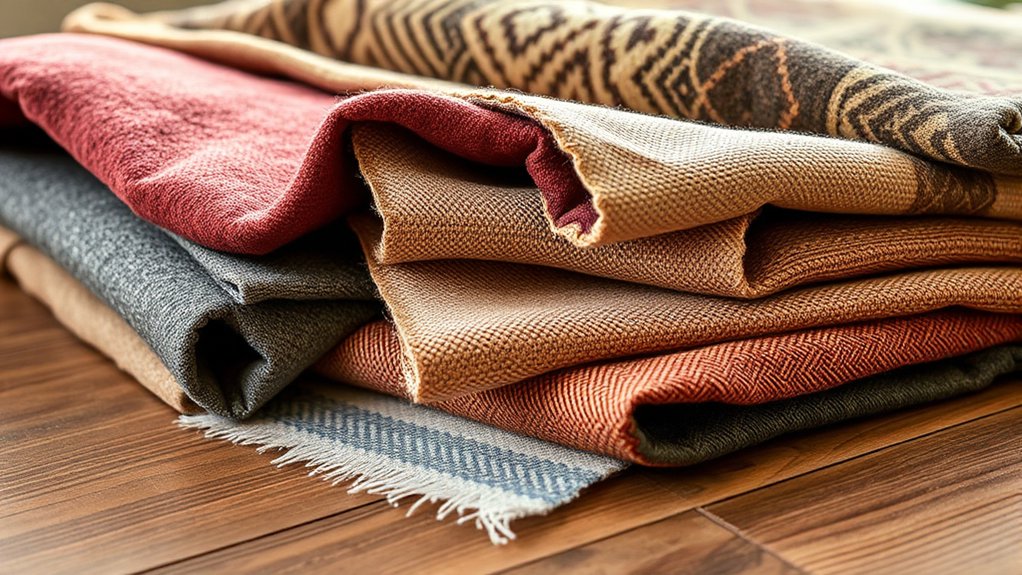
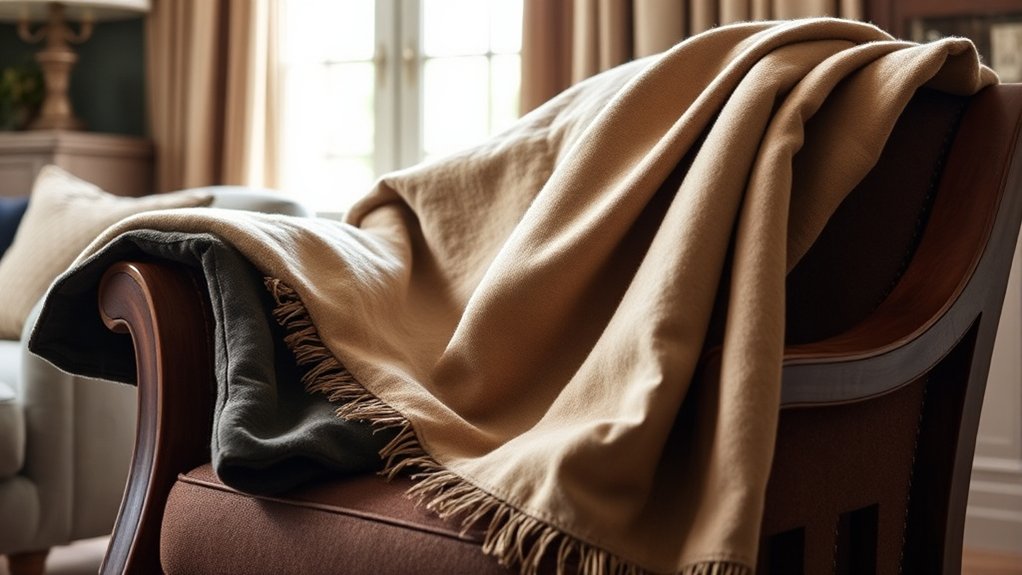
Upholstery fabric is the material you use to cover furniture like sofas, chairs, and ottomans, and it needs to do more than look good. You rely on it to add comfort, protect the frame, and support daily use.
It also shapes how a piece feels, wears, and fits your space, so you should treat it as both a design choice and a practical one. When you compare upholstery fabric types, you’re really weighing durability, maintenance, and appearance.
You’ll also want to think about fabric texture considerations, because smooth, soft, or coarse surfaces can change comfort and style. Some fabrics feel inviting but show marks quickly, while others resist wear but feel less plush. By understanding what upholstery fabric does, you can choose a covering that matches your lifestyle, your furniture’s purpose, and the look you want without sacrificing performance.
Common Upholstery Fabric Types
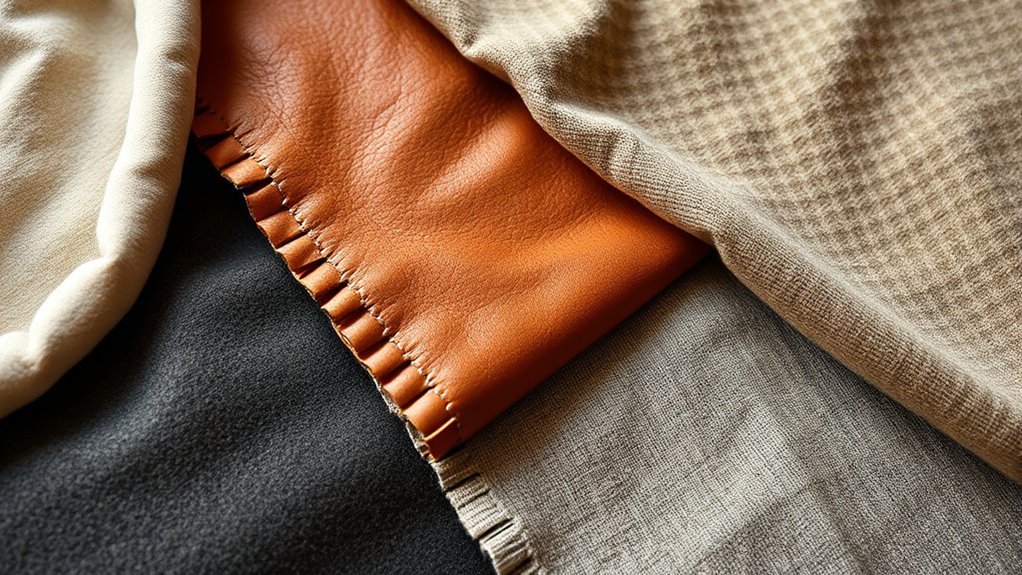
When you’re picking upholstery fabric, you’ll often find yourself comparing natural fibers like cotton, linen, wool, and leather with synthetic options such as polyester, nylon, and acrylic. Natural fabrics usually bring softness and breathability to the table. On the other hand, synthetic fabrics tend to offer extra durability and stain resistance.
It really helps to know how each type performs so you can choose the best fit for your furniture and lifestyle. That way, you’ll get something that not only looks good but also stands up to everyday use.
Natural Fiber Fabrics
Natural fiber fabrics bring a softer, more organic feel to your upholstery choices, and they often add warmth and texture that synthetics can’t quite match. You can choose organic cotton for everyday comfort, linen blends for a crisp, relaxed look, and hemp fabrics for sturdy, earthy appeal.
Silk varieties add sheen and elegance, while wool options offer natural resilience and a cozy touch. Bamboo fibers feel smooth and breathable, and jute textiles bring rustic character to accent pieces.
Ramie fabric works well when you want a refined, plant-based finish. When you compare these materials, think about how they’ll feel, wear, and age in your space. Natural fibers can create a welcoming look that suits both classic and casual interiors.
Synthetic Fabric Options
Synthetic upholstery fabrics give you durability, easy care, and a wide range of looks at a usually lower price point. You can choose materials that handle kids, pets, and daily use with less stress.
- Polyester blends resist fading and wrinkle well.
- Vinyl upholstery wipes clean fast and suits busy spaces.
- Acrylic fibers offer color retention and weather resistance.
- Microfiber options feel soft while providing strong stain resistance.
If you want extra toughness, look for nylon durability in high-traffic furniture. Faux leather gives you a sleek style without real hide. Many performance fabrics now mimic natural textures while improving stain defense. You can also find eco friendly synthetics that reduce environmental impact without giving up comfort.
Best Fabrics for High-Traffic Rooms
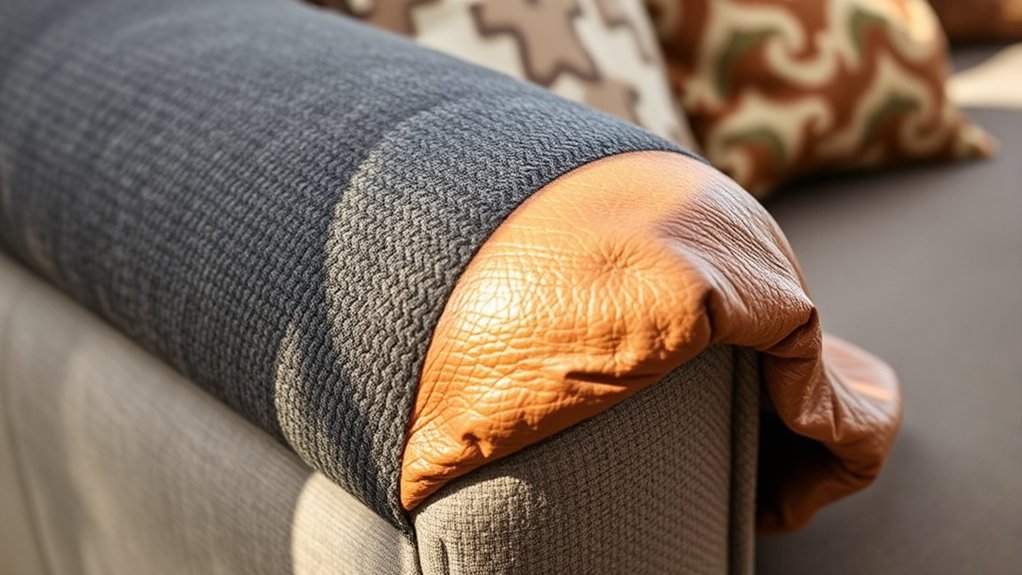
When you’re picking upholstery for high-traffic rooms, go for durable weaves that can stand up to daily use without wearing out too quickly. You’ll also want fabrics that resist stains, so spills wipe away easily before they have a chance to set in.
And don’t forget about easy maintenance—it’s important to choose materials you can clean quickly and keep looking fresh without too much hassle. That way, your furniture stays looking great even with lots of use.
Durable Weaves
For busy rooms, the weave matters as much as the fiber itself. When you choose durable weaves, you’re picking upholstery that can handle daily use without looking tired too soon. Tight woven patterns help the fabric keep its shape, while denser fabric textures resist fraying and sagging better than loose constructions. You’ll notice these weaves often feel substantial, yet they still look refined.
- Twill: strong, flexible, and dependable.
- Canvas: rugged and structured for frequent use.
- Basketweave: balanced texture with added stability.
- Jacquard: decorative, but still tough when woven well.
Pick a weave that matches your room’s traffic level and your comfort needs. If you want longevity, focus on construction first, then style.
Stain Resistance
A durable weave helps your upholstery hold up, but stain resistance matters just as much in rooms that see constant use. You should look for stain resistant materials like treated polyester, acrylic blends, and performance microfiber when spills are likely. These fabrics help liquids bead up instead of soaking in, giving you more time to act.
You can also choose darker colors or subtle patterns to disguise small marks between cleanings. For best results, compare fiber types and finish treatments before you buy, since some options resist common messes better than others.
If your home has kids, pets, or frequent guests, stain resistance techniques built into the fabric can save you stress and preserve your furniture’s appearance longer.
Easy Maintenance
If you want upholstery that’s easy to live with, choose fabrics that clean up quickly and don’t need constant babying. For high-traffic rooms, you’ll do best with tightly woven synthetics, microfiber, and treated blends because they handle spills, pets, and daily wear with less fuss.
Look for stain resistance so messes don’t sink in, and check the manufacturer’s cleaning methods before you buy.
- Pick durable weaves that resist pilling.
- Choose removable cushion covers when possible.
- Use vacuuming and spot-cleaning as your routine.
- Test any cleaner on a hidden area first.
With the right fabric, you’ll spend less time worrying and more time enjoying your space.
Best Fabrics for Comfort
When comfort is your top priority, you’ll usually want upholstery fabrics that feel soft, breathable, and inviting against the skin. Velvet often delivers that plush, sink-in feeling, making it a favorite among luxury textiles for sofas and chairs. Cotton blends can feel similarly welcoming, and they usually offer a lighter, cooler touch for everyday lounging.
Soft, breathable upholstery fabrics make every seat feel inviting, from plush velvet to cooler cotton blends.
Linen is another standout because it stays airy and relaxed, so it works well in rooms where you want breathable options without sacrificing style. If you prefer a cozy, tailored look, chenille adds warmth and a gentle texture you can feel right away.
Wool blends can also bring softness with a bit more structure, which helps you enjoy comfort without losing shape. For the best experience, choose fabrics with a smooth weave and medium weight, then test them in person whenever possible.
Your final choice should support how you actually sit, stretch, and unwind.
Best Fabrics for Pets and Kids
For homes with pets and kids, you’ll want upholstery fabrics that can handle messes, scratches, and constant use without losing their appeal. Choose durable, tightly woven materials that resist snagging and wipe clean easily. Microfiber, performance velvet, and treated canvas are smart pet-friendly options because they stand up to claws, crumbs, and spills.
If you need kid-proof materials, look for stain-resistant finishes and fabrics that don’t trap dirt or pet hair.
- Microfiber: soft, tough, and easy to clean
- Leather: wipes down fast and resists odors
- Performance fabric: built for stains and heavy use
- Outdoor-grade fabric: handles moisture and rough treatment
You’ll also want darker tones or textured weaves since they hide everyday wear better. Test samples at home, then check how the fabric feels after a quick spill.
How Fabric Changes Furniture Style
Once you’ve narrowed down fabrics that can handle daily life, the next step is thinking about style. Fabric can completely shift your furniture aesthetics, turning the same sofa from casual to polished, modern to traditional, or cozy to dramatic.
Smooth velvet adds depth and a luxe feel, while crisp linen keeps things light and relaxed. Leather reads structured and strong, so it suits clean lines and bold rooms.
You can also use fabric patterns to introduce personality without changing the frame at all. A small geometric print feels tailored, while large florals or stripes create more visual movement.
Color matters too: dark shades ground a piece, while pale tones make it blend in and feel airy. When you choose upholstery, you’re not just covering furniture, you’re shaping how the entire room looks and feels.
Pick the fabric that matches your style story.
Upholstery Fabric Care Needs
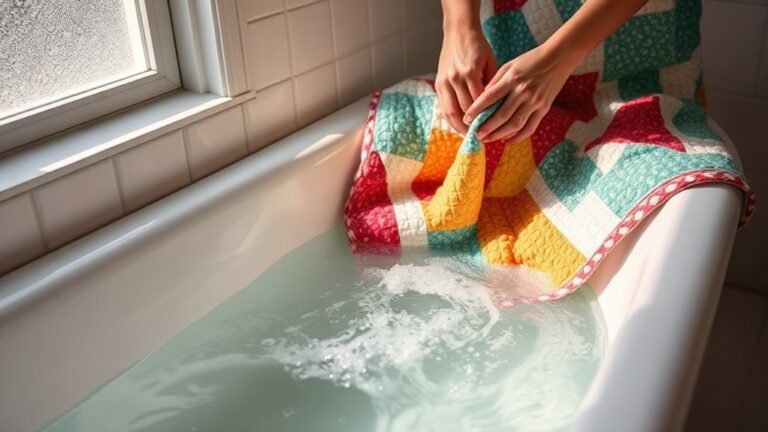
How much upkeep are you willing to take on? Your answer should guide your fabric choice. Some upholstery needs quick vacuuming and spot cleaning, while others ask for regular brushing, gentle washing, or professional care.
If you’ve got kids, pets, or heavy use, pick a fabric that fits your routine, not just your style. Use the maker’s label as your roadmap, and follow the recommended fabric cleaning techniques to avoid damage.
- Vacuum weekly to lift dust and crumbs.
- Blot spills right away; don’t rub.
- Test cleaners on hidden spots first.
- Rotate cushions and follow upholstery maintenance tips.
Low-care fabrics can save you time, but they may still need occasional deep cleaning. Delicate materials demand more attention, so think honestly about how much effort you’ll give.
When you match care needs to your lifestyle, you’ll keep your furniture looking fresh longer.
What Upholstery Fabric Weight Means
Upholstery fabric weight basically tells you how much a fabric weighs, and it often gives you a hint about how sturdy it feels. You can use that clue to get a sense of its durability.
This helps you decide if the fabric is right for daily use in a busy room. Lighter fabrics might work well for decorative pieces, while heavier ones usually hold up better on furniture you use all the time.
Fabric Weight Basics
Fabric weight tells you how heavy and dense a fabric is, which often affects how well it holds up on furniture. You can read it as a practical clue, not a perfect rule. Heavier upholstery often feels firmer, while lighter options may drape more softly.
When you compare samples, look at these details:
- fabric composition
- texture variation
- weave tightness
- hand feel
These factors shape how the material looks and behaves in your room. You’ll notice that two fabrics with the same weight can still feel different because fibers and finishing change the surface.
Durability And Use
Once you know how weight affects the feel of a sample, the next question is how that fabric will hold up in daily use. You should think about durability as part of the fabric lifespan, since denser constructions often resist rubbing, stretching, and seam stress better over time.
In real usage scenarios, a sofa in a busy family room needs more resilience than an accent chair in a quiet guest room. You also want to check how the material behaves when people sit, shift, and clean it often.
A fabric that keeps its shape and surface texture after repeated contact can stay attractive longer and reduce replacement costs. Choose with your routine in mind, not just appearance, so the fabric matches how you actually live.
Light Vs Heavy Fabrics
When you compare upholstery options, fabric weight gives you a quick clue about how the material will feel and perform. Light fabrics often bring lightweight benefits like easier sewing, softer drape, and better fabric versatility for casual pieces. Heavy fabrics offer heavyweight durability, so they handle daily use and resist wear better.
You should weigh usage considerations before you choose:
- Comfort levels change with weight and thickness.
- Texture differences affect touch and structure.
- Aesthetic appeal shifts from airy to substantial.
- Cost implications can rise with denser weaves.
If you want a sleek, relaxed look, lighter cloth works well. If you need long-lasting support, heavier fabric usually wins. Choose what matches your furniture, lifestyle, and style goals.
How to Balance Cost and Quality
Balancing cost and quality starts with knowing where the fabric will be used and how much wear it’ll need to handle. You can set budget considerations first, then compare fabrics that meet your needs without overspending.
A lower price doesn’t always mean a bargain if the material pills, fades, or tears quickly. Do a quick quality assessment by checking weave density, seam strength, and fiber content, because these clues often reveal how long the upholstery’ll last.
If you’re choosing between similar options, ask whether a slightly higher cost buys better durability, cleaner maintenance, or longer color retention. You don’t need the most expensive fabric; you need the one that gives you the best value for your project.
Focus on total performance over the purchase price alone, and you’ll make a smarter choice that fits both your wallet and your expectations.
How to Choose the Right Upholstery Fabric
Choosing the right upholstery fabric means matching the material to how you’ll use the furniture, not just how it looks. Start by thinking about traffic: choose durable weaves for daily use and softer options for occasional pieces.
Next, compare maintenance needs, since stain resistance and easy cleaning matter in busy homes. You should also consider color coordination, because the fabric needs to work with your walls, flooring, and existing decor.
Finally, look at texture variety, since different surfaces change how a room feels and looks under light.
- Match durability to use.
- Check cleaning requirements.
- Coordinate with your color palette.
- Test samples for comfort and texture.
Bring home swatches, view them in daylight, and sit on them before deciding. That way, you’ll avoid surprises and choose fabric that fits your style, budget, and lifestyle.
Frequently Asked Questions
Which Upholstery Fabrics Resist Fading in Direct Sunlight?
You’ll want acrylic, solution-dyed polyester, and olefin upholstery fabrics since they resist fading best in direct sunlight. You’ll also get better results with colorfast materials and fabrics treated with UV protection.
If you’re choosing indoor pieces near bright windows, look for tightly woven synthetics or performance blends because they hold color longer. You can also reduce fading by using curtains, blinds, or rotating cushions regularly.
Are Natural or Synthetic Upholstery Fabrics More Eco-Friendly?
Natural upholstery fabrics often seem more eco-friendly, but it isn’t always that simple. You should weigh the truth behind that theory: natural fibers can renew, yet sustainability concerns like pesticides, water use, and transport matter too.
Synthetic fabrics can last longer, so better fabric durability may reduce replacements and waste. If you choose certified organic natural fibers or recycled synthetics, you’ll make a smarter, greener decision overall.
Can Upholstery Fabric Be Reupholstered Over Existing Material?
Yes, you can reupholster over existing material if the frame, padding, and old fabric are sound. You’ll need to inspect for damage first, then use proper reupholstery techniques to avoid lumps, sagging, or trapped odors.
Choose a new fabric with strong durability, since the layers beneath can add stress. If the old covering is too thick or damaged, you should remove it instead for better results.
What Upholstery Fabrics Work Best in Humid Climates?
For humid climates, you’ll want fabrics that breathe like a window left open after rain. You should choose breathable materials such as cotton blends, linen, and performance weaves, since they help air move and reduce musty buildup.
Moisture resistant options like solution-dyed acrylic or polyester also work well because they repel dampness and dry faster. Avoid heavy velvets and thick natural fibers if you want furniture that stays fresher longer.
How Do Fabric Patterns Affect Small-Room Perception?
You’ll make a small room feel larger or cozier depending on pattern scale and contrast. Small, subtle patterns recede, while bold, busy prints can crowd the eye.
You can use light tones and repeated motifs to create visual balance, and color psychology helps you steer the mood. Cool hues open space, warm hues draw it in. Keep patterns consistent across upholstery, pillows, and accents so the room feels calm, not cluttered.
Conclusion
Choosing the right upholstery fabric helps you shape a room that feels as good as it looks. You want a fabric that can stand up to daily life, soften every seat, and keep its color through years of sunlight and spills.
When you balance comfort, durability, care, and cost, you create furniture that welcomes you in like a favorite chair by the fire. Trust your needs, and you’ll find the perfect fit for your upholstery fabric.