Types of Wool Fabric: Quick Guide
Finding the perfect wool fabric for your project can feel overwhelming. You want something warm, durable, and stylish, but with so many options out there, it’s easy to get lost. You’re not alone—many people struggle to choose the right type of wool that fits their needs and style.
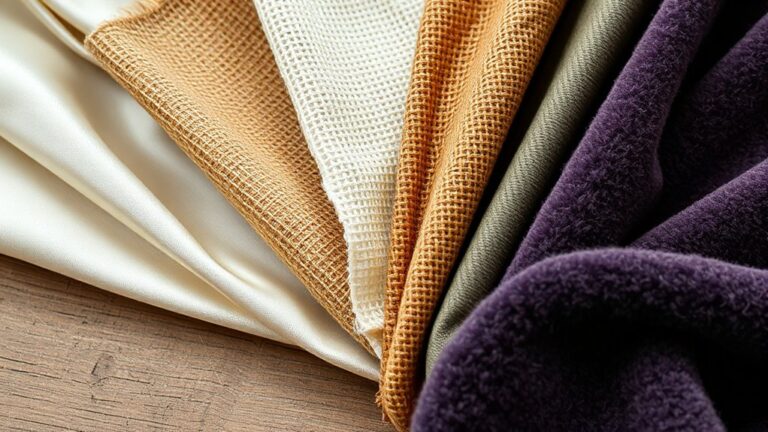
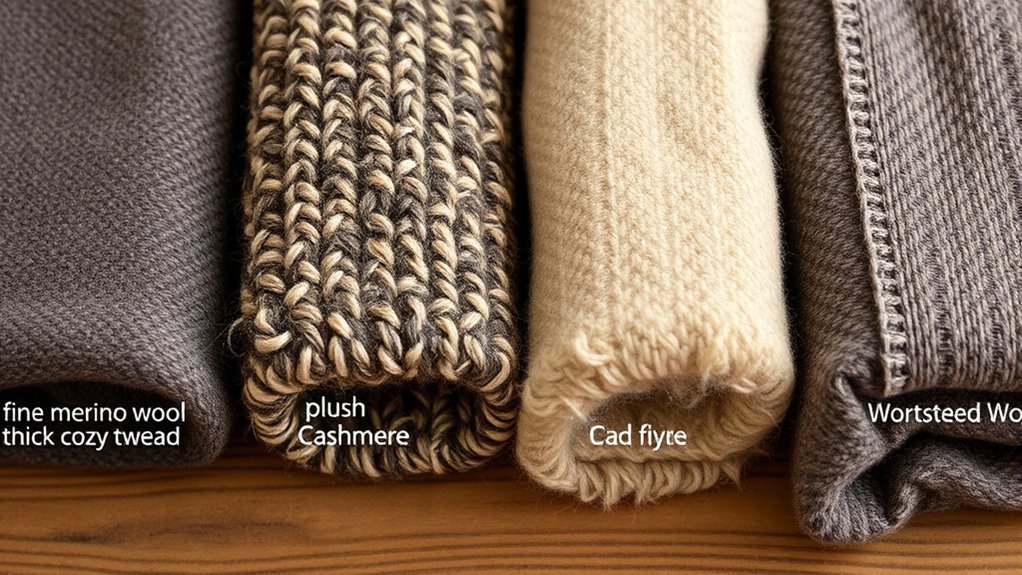
Wool fabrics each offer a different mix of warmth, texture, drape, and durability, so you can choose what suits your project best. Merino is soft, breathable, and great for base layers, sweaters, and socks. Lambswool feels smoother, while Shetland adds a rustic look.
Tweed gives structure, flannel feels soft, serge suits tailoring, and felted wool works well for crafts and warm accessories.
The right weight and weave can change everything, and there’s more to compare ahead.
Key Takeaways
- Wool fabric is warm, breathable, wrinkle-resistant, and naturally elastic because its crimp traps air.
- Merino wool is soft, lightweight, moisture-wicking, and ideal for base layers, sweaters, socks, and activewear.
- Lambswool is softer and smoother, while Shetland wool is more rugged and textured.
- Tweed, flannel, and Melton wool differ in texture: tweed is durable, flannel is brushed and soft, and Melton is dense and wind-resistant.
- Serge and felted wool offer tailored drape or dense warmth, so choose wool based on garment use and desired feel.
What Makes Wool Fabric Different?
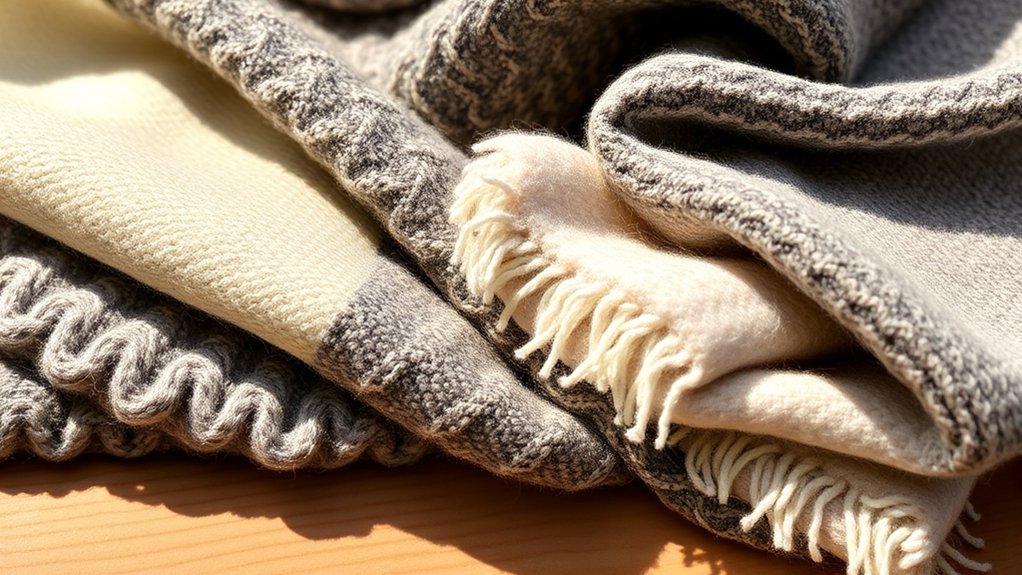
Wool stands apart because its natural crimp traps air, giving it warmth, resilience, and a soft, springy feel that many other fibers can’t match. You’ll notice these wool characteristics in how the fabric regulates temperature, resists wrinkles, and bounces back after stretching.
Because the fibers naturally absorb moisture without feeling clammy, you stay comfortable in changing conditions. Wool also has a scaly outer structure, so it can felt and hold shape differently from smooth plant fibers.
That gives you fabric versatility for clothing, blankets, outerwear, and tailored pieces that need structure. You can choose wool for durability, comfort, and a polished look, whether you want something cozy or more refined.
Its natural elasticity helps garments move with you, while its insulating power keeps the fabric practical across seasons.
Merino Wool Fabric and Its Uses
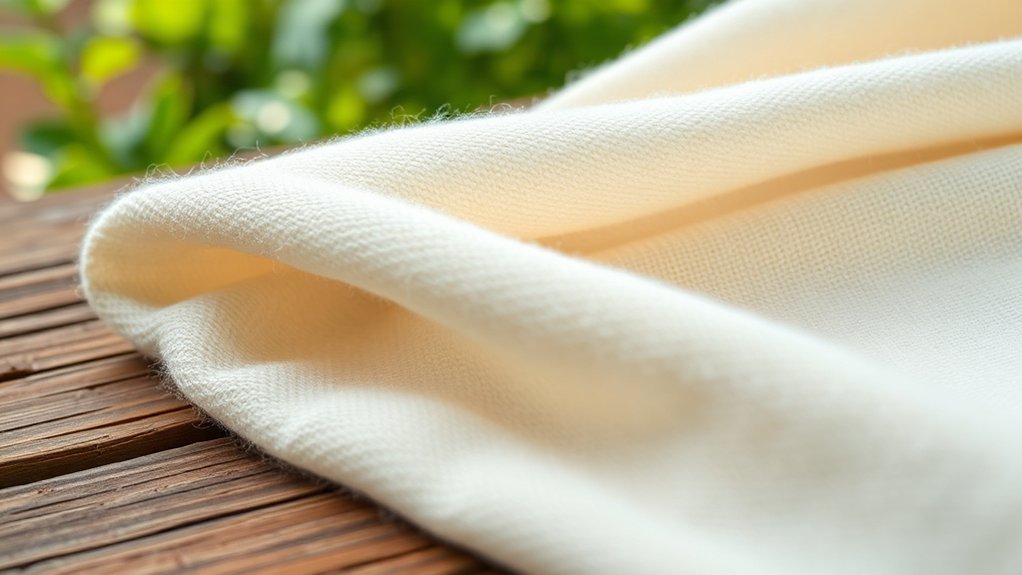
Merino wool feels soft, light, and breathable. So, you get warmth without the bulk. You’ll often see it used in sweaters, base layers, socks, and activewear because it handles temperature changes really well.
And if you take good care of it, it can last a long time. Plus, it keeps its shape and comfort over time.
Merino Wool Properties
Soft, fine, and surprisingly versatile, this premium wool comes from merino sheep and stands out for its natural temperature regulation, moisture-wicking ability, and gentle feel against the skin. You’ll notice merino softness right away, plus merino breathability that helps you stay comfortable in changing weather.
| Property | Benefit |
|---|---|
| Soft fibers | Feels smooth and less itchy |
| Breathable structure | Lets air circulate and reduce overheating |
| Moisture control | Pulls sweat away, then dries fast |
You can rely on this fabric for comfort in warm or cool conditions because it adapts to your body. Its lightweight texture also makes layering easy, while the fibers resist odor better than many other wools.
Common Garment Uses
Because merino feels light, breathable, and comfortable against the skin, it’s a popular choice for garments you wear close to the body. You can count on its wool fabric characteristics to suit many looks, from sleek basics to polished layers. Its garment style versatility lets you move easily from office wear to weekend outfits.
- T-shirts and base layers that sit smoothly
- Sweaters for lightweight warmth
- Dresses and skirts with soft drape
- Socks and underwear for everyday comfort
You can also choose merino for scarves, cardigans, and travel pieces when you want comfort without bulk. Because it drapes well, it works in fitted or relaxed silhouettes, so you get more options from one fabric.
Care And Durability
When you care for merino properly, it can stay comfortable and wearable for a long time. You should wash it gently in cool water, use mild detergent, and avoid harsh rubbing or hot drying. These wool maintenance tips help preserve the fibers’ softness and shape.
Air-dry it flat, and store it folded so it won’t stretch out. You’ll also extend wear by rotating pieces instead of overusing the same sweater or base layer.
Fabric longevity factors include how often you wear it, how you clean it, and whether you protect it from moths and abrasion. Merino resists odor well, so you can wear it more between washes.
With simple care, you’ll keep merino looking tidy, feeling soft, and performing well for years.
Lambswool and Shetland Wool Fabrics
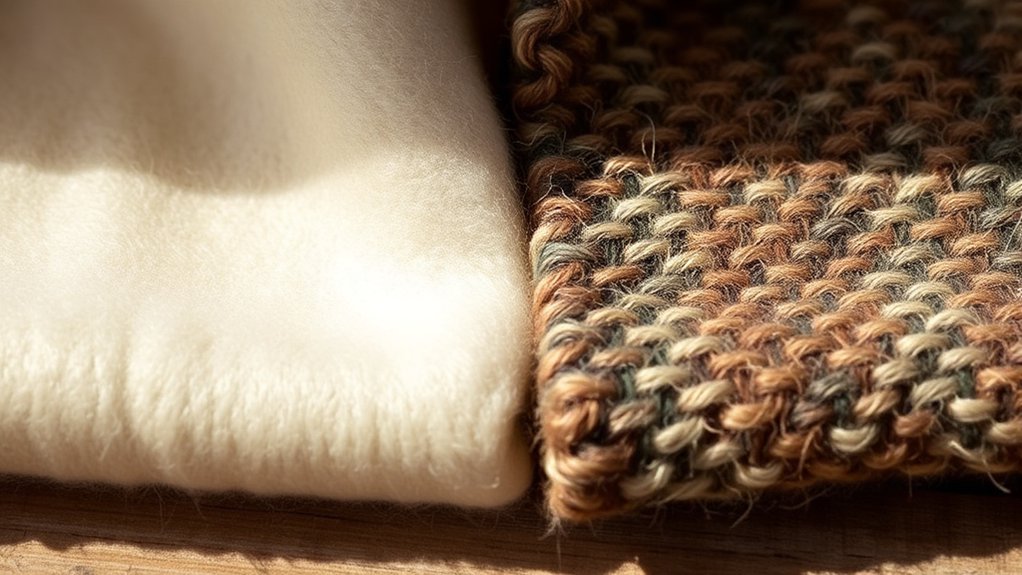
Lambswool and Shetland wool each bring a distinct character to fabric, and you’ll notice the difference in both feel and appearance. Lambswool comes from a young sheep’s first fleece, so you get a softer, smoother hand that feels gentle against your skin. The lambswool benefits include light warmth, easy drape, and a polished finish that works well in sweaters and scarves.
Shetland wool, by contrast, reflects rugged shetland characteristics: a lively texture, visible fiber definition, and natural resilience that gives garments more personality.
Choose lambswool when you want softness. Choose Shetland wool when you want texture. Expect lambswool to feel smoother. Expect Shetland wool to look more rustic.
If you’re comparing them, think about comfort first, then style. You can wear either one often, but each creates a different mood in your wardrobe.
Tweed Wool Fabric for Structure and Warmth
Tweed gives you a textured weave that adds instant character to any outfit. You’ll really appreciate its warmth and durability, especially when the weather cools down. Plus, it’s great for structured garments—helping jackets and coats keep a sharp, defined shape.
Tweed’s Textured Weave
With its coarse, uneven yarns and distinctive diagonal weave, this wool fabric gives garments and home textiles a sturdy feel that holds its shape well. You’ll notice how the surface catches light, adding depth without extra decoration.
In tweed history, makers valued this texture for practical tailoring and outdoor style, and you can still see that heritage today. Tweed patterns range from subtle checks to bold herringbones, so you can choose a look that suits you.
- Raised yarns create a tactile surface
- Diagonal weaving adds visual movement
- Pattern variations keep pieces interesting
- Texture works well in jackets and throws
When you wear or use it, you get a fabric that feels classic, grounded, and unmistakably tweed.
Warmth And Durability
When you need a wool fabric that stands up to regular wear, tweed delivers reliable warmth and structure without feeling overly delicate. You’ll appreciate its dense weave, which traps air and gives you strong insulating properties in cool weather.
Because the fibers resist everyday abrasion, you can wear tweed often without it looking tired quickly. It also supports moisture management by pulling dampness away from your body, so you stay more comfortable through changing conditions.
If you choose tweed for jackets, coats, or tailored layers, you get a fabric that balances comfort with long-term durability. You don’t have to baby it; tweed handles frequent use while keeping its shape and dependable warmth.
Styling Structured Garments
For garments that need a defined silhouette, tweed gives you structure without sacrificing warmth. You can use it to sharpen coats, blazers, and skirts while keeping a cozy feel. Its texture supports structured silhouettes, so your outfit holds shape and looks intentional.
For tailored aesthetics, pair tweed with clean lines and minimal extras.
- Choose fitted cuts to highlight the fabric’s body.
- Balance the texture with smooth shirts or knits.
- Keep colors classic for a refined finish.
- Add boots or loafers to ground the look.
When you style tweed well, you create pieces that feel polished, practical, and seasonally smart. It works especially well when you want warmth without losing a crisp, composed profile.
Flannel Wool Fabric for Soft Layers
Flannel wool fabric gives you a warm, brushed finish that feels soft against the skin and works well for lightweight layering. You’ll notice its flannel characteristics right away: a slightly fuzzy surface, gentle drape, and enough insulation to keep you comfortable without feeling bulky.
Because it breathes well, you can wear it indoors or outdoors in cool weather and still stay at ease.
Breathable enough for indoors or out, flannel keeps you comfortable in cool weather without feeling heavy.
When you choose flannel applications, think about shirts, overshirts, relaxed trousers, and unstructured jackets. You can also use it for scarves or lining pieces when you want extra softness near your body.
Pair it with cotton tees, fine knits, or tailored separates to balance texture and comfort. If you want everyday versatility, flannel gives you warmth, movement, and a polished but casual look.
It’s especially useful when you need a layer that feels cozy, looks refined, and doesn’t overpower the rest of your outfit.
Melton Wool Fabric for Outerwear
Melton wool fabric gives outerwear a dense, smooth finish that blocks wind and holds its shape well. You’ll notice its tightly felted surface feels sturdy, so it suits coats, pea coats, and capes you wear in cold, damp weather. Its melton durability helps the fabric resist pilling and fraying, while melton insulation traps warmth without adding much bulk.
You get a clean, polished look. You stay warmer in brisk conditions. You enjoy better resistance to wear. You keep a structured silhouette.
Because the weave is heavily milled, the cloth feels firm and slightly weighty, not flimsy. You can count on it to drape neatly and maintain crisp edges at hems, collars, and cuffs. It also sheds light wind and light moisture better than many softer wools.
If you want outerwear that balances warmth, strength, and a refined finish, melton wool’s a dependable choice for everyday cold-weather dressing.
Serge Wool Fabric for Tailored Garments
Serge wool fabric gives tailored garments a smooth, diagonal finish that looks sharp and wears well. You’ll notice its firm drape, medium weight, and clean surface right away. Those serge characteristics help you achieve crisp lines without extra bulk.
When you choose it for jackets, skirts, and trousers, you get reliable structure that supports seams, pressed edges, and pleats. You can also rely on it for tailored applications that need polish and movement because the twill weave resists looking flimsy while still flexing comfortably with your body.
If you want a fabric that reads professional and refined, serge works well in business suits and uniform pieces. It also takes pressing nicely, so you can shape garments with confidence and keep them looking neat through regular wear.
Felted Wool Fabric and Where It Works Best
When you need warmth and a dense, brushed surface, felted wool fabric delivers a soft yet sturdy option that works well in outerwear, hats, and winter accessories. You’ll appreciate how the fibers lock together, creating a smooth finish that resists fraying and adds structure.
Warm, dense felted wool offers a soft, sturdy finish that resists fraying and adds structure.
Among the main felted wool applications, you can use it for capes, mittens, slippers, and craft projects that need clean edges.
- It cuts neatly for simple shapes.
- It holds seams without unraveling.
- It feels comfortable against skin.
- It supports bold embroidery or appliqué.
These felted wool benefits make it a smart pick when you want dependable texture with a polished look. You can rely on it for pieces that need a refined surface and a handcrafted feel.
Whether you’re sewing for yourself or making gifts, felted wool helps your projects look intentional and last longer.
Wool Fabric Weight, Warmth, and Drape
Beyond felted finishes, wool fabric also varies a lot in weight, warmth, and drape, and those traits shape how it performs in sewing. You’ll notice that lighter wools feel airy and move easily, while heavier options add structure and body.
These wool fabric characteristics affect how your garment hangs, folds, and sways on the body. Midweight wool often balances shape and movement, so it works well when you want clean lines without stiffness.
Heavier wool usually offers stronger fabric insulation properties, which helps trap heat and makes the cloth feel cozy in cool weather. Softer draping wools glide more fluidly, so they suit pieces that need graceful motion.
Firmer wools hold a sharper silhouette and can look tailored. When you feel the fabric in your hands, pay attention to both density and recovery, because they’ll tell you a lot about how the finished item will wear and move.
How to Choose the Right Wool Fabric
When you’re picking out the right wool fabric, a good place to start is by checking the fiber weight. This helps you get a sense of how warm and durable the fabric will be. Then, think about the weave of the wool—each type has its own look and feel, so matching that to what you want really matters. Also, consider how you plan to use the garment. After all, a suit, a coat, and a sweater all call for different kinds of wool.
Check Fiber Weight
Fiber weight is one of the quickest ways to tell whether a wool fabric suits your project. You’ll want to feel the cloth and notice how much substance it has. Heavier pieces usually offer warmth and structure, while lighter ones drape more easily.
Use fiber characteristics to guide your choice, then compare them with common weight categories. Choose light wool for airy layers. Pick medium wool for everyday garments. Select heavy wool for coats and outerwear. Test a swatch to judge comfort and coverage.
When you check fiber weight first, you narrow options fast and avoid buying fabric that works against your design. Trust the feel, the loft, and the density before moving on.
Match Wool Weave
Weave is the next clue that helps you choose the right wool fabric. You’ll notice wool weave patterns change how the cloth feels, drapes, and holds shape. A tight weave gives you a smoother surface and firmer body, while a looser weave creates more movement and softer fabric texture variations.
| Weave type | Effect |
|---|---|
| Plain | Simple, stable |
| Twill | Diagonal, durable |
| Basket | Open, textured |
| Herringbone | Patterned, refined |
When you compare weaves, look at the yarn crossing and surface finish. That’s how you spot the right balance between structure and softness. Choose a weave that matches the look you want, and you’ll narrow your options fast.
Consider Garment Use
Now think about how you’ll wear the garment, because use should guide your wool choice just as much as weave or fiber. If you need a suit, choose a smooth wool that drapes well and resists wrinkles. For outerwear, pick a denser cloth that traps heat and adds structure. For sweaters, prioritize softness and fabric breathability so you stay comfortable all day.
Daily office wear favors lightweight worsted wool. Travel pieces benefit from wrinkle-resistant blends. Active layers need stretch and ventilation. Formal looks call for refined texture and clean drape.
Always weigh garment functionality first: a coat needs warmth, a shirt needs comfort, and trousers need durability. When you match wool to purpose, you’ll get better performance, better fit, and longer wear.
Frequently Asked Questions
How Do You Care for Wool Fabric Properly?
You care for wool fabric properly by washing it gently in cold water with a wool-safe detergent, then reshaping and drying it flat. Don’t wring, twist, or use high heat because that can shrink or damage the fibers.
For wool washing, spot-clean when you can and air it out between wears. Store it folded in breathable bags or boxes for proper fabric storage, and add cedar or lavender to deter moths.
Is Wool Fabric Suitable for Summer Clothing?
Yes, wool can suit summer clothing. Think of it like a cool breeze through a window: the right wool keeps you comfortable.
You’ll do best with lightweight, fine wool because its breathable properties help air move and its moisture wicking pulls sweat away from your skin. You shouldn’t choose heavy, dense wool for hot days, but airy wool shirts, dresses, or blends can work well when temperatures rise.
How Can You Tell Real Wool From Synthetic Blends?
You can tell real wool from synthetic blends by checking the feel, smell, and burn test. Real wool has wool characteristics like a springy texture, natural warmth, and a faint hairlike odor when burned.
Synthetic fibers usually feel smoother, melt instead of singe, and can smell plasticky. You should also look at the label because it’ll list the fiber content. When in doubt, compare the fabric against known wool pieces.
Does Wool Fabric Shrink After Washing?
Yes, wool can shrink after washing, especially if you use hot water or rough agitation. Think of it like a sweater that “tightens up” after a spin cycle; one warm wash can turn a roomy medium into a snug fit.
You can reduce wool shrinkage by following gentle washing techniques, such as cold water, mild detergent, and laying it flat to dry. If you’re careful, you’ll keep its shape.
What Causes Wool Fabric to Itch?
You itch because wool fibers can feel rough against your skin, especially if you’re sensitive to them. The tiny scales on wool and the fiber’s crimp can create friction, and that can trigger irritation.
Your wool properties matter too. Coarser fibers usually itch more than finer ones. If you have skin sensitivity, choose softer wool, like merino, or wear a smooth layer underneath to reduce contact and discomfort.
Conclusion
When you choose wool, you choose warmth, durability, and versatility. You can reach for merino when you want softness, pick lambswool when you want comfort, select tweed when you want structure, and trust flannel when you want a gentler drape.
You can also consider serge for polish and felted wool for strength. Know the weight, feel the difference, and match the fabric to your project. That way, you’ll choose wool with confidence and make the most of this amazing wool fabric.