Laundry Symbols Explained: How to Read Care Labels
Laundry care labels can feel like a secret code that’s impossible to crack. If you’ve ever ruined your favorite shirt by washing it wrong or felt overwhelmed by those tiny symbols, you’re not alone. Many people struggle to understand what those icons really mean and how to keep their clothes looking fresh and new.
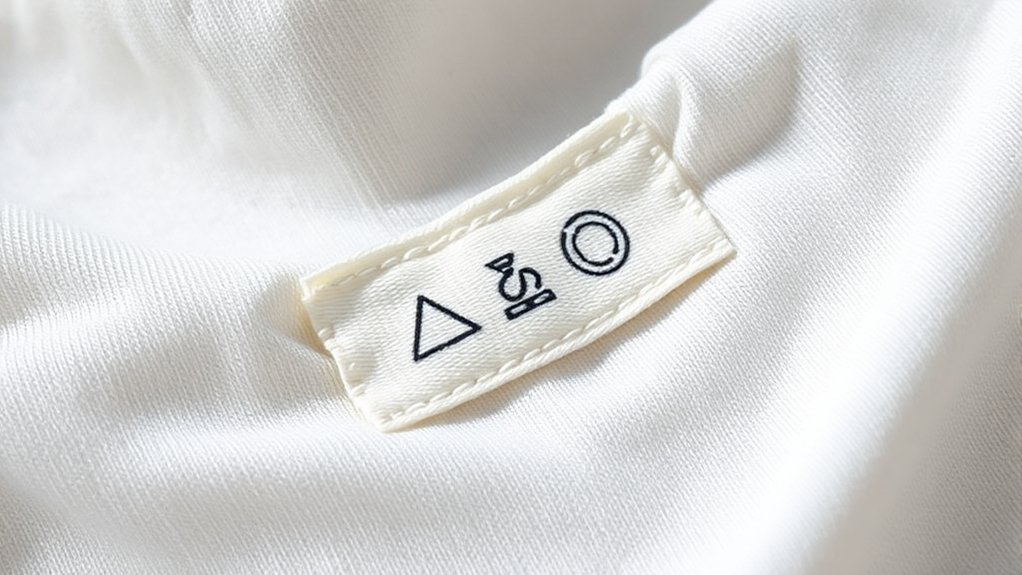
Laundry symbols show you how to wash, dry, bleach, iron, and professionally clean your clothes without causing damage. You read the label by checking each icon: a tub for washing, a square for drying, a triangle for bleach, and an iron for heat settings.
Lines, dots, and X marks tell you whether to use gentle cycles, low heat, or no bleach. Once you know the basics, you’ll spot fabric-specific tips that make care much easier.
Key Takeaways
- Laundry symbols show safe washing, bleaching, drying, ironing, and dry-cleaning instructions for each fabric.
- Check the care label’s fiber content first, then follow every symbol to avoid damage.
- Tub symbols control washing: plain for normal, one line for gentle, hand for hand wash, and X for do not wash.
- Drying symbols use a square and circle, with dots for heat levels and crossed-out icons for no dryer.
- Bleach and iron symbols show whether they’re allowed, with dots indicating iron heat and crossed-out icons meaning prohibited.
What Laundry Symbols Mean
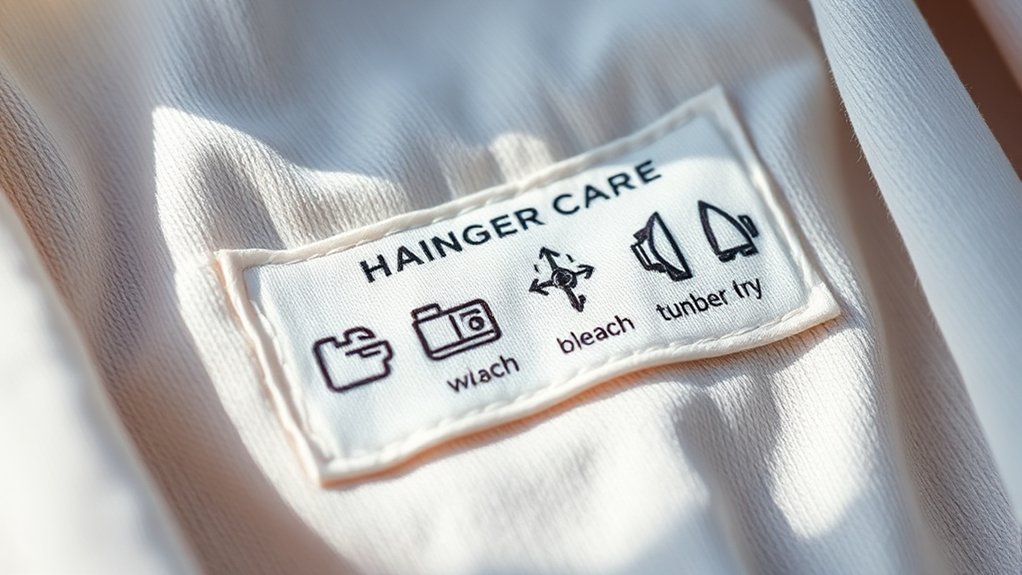
Laundry symbols tell you how to care for a fabric so it lasts longer and looks its best. You’ll usually see small icons for washing, bleaching, drying, ironing, and professional cleaning, and each one gives you a quick care rule.
The symbols grew out of care label history, when brands needed a universal way to guide you without long instructions. That’s why they rely on simple shapes instead of words. Many common misconceptions come from assuming a symbol means “special” or “hard to follow.”
In reality, it just tells you the safest treatment for that material. A tub, triangle, square, or iron isn’t decoration; it’s a warning or permission slip for a specific action. When you understand what each icon means, you protect color, shape, and texture, and you avoid damage that can shorten a garment’s life.
How to Read Laundry Care Labels

Once you know the symbols, reading a care label gets much easier because you can scan it from top to bottom and follow each icon in order. Start with the fiber content, then check the care instructions, and finally note any extra warnings. This order helps you understand fabric care without guessing, and it highlights laundry label importance for protecting clothes and saving time.
| Label part | What you do | Why it matters |
|---|---|---|
| Fiber content | Read the material list | It tells you how the item may react |
| Care icons | Follow each symbol | You avoid damage and shrinkage |
| Extra notes | Look for exceptions | You catch special handling instructions |
When you read labels this way, you build confidence and make smarter choices before washing, drying, or ironing. It also helps you compare garments quickly, so you can sort items by care needs instead of relying on memory alone.
Laundry Symbols for Washing
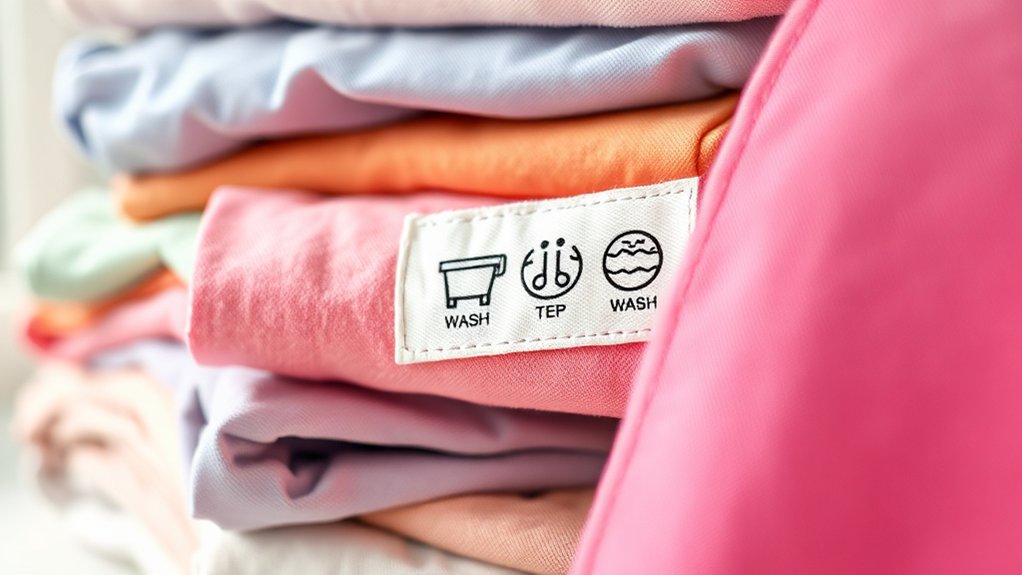
The washing tub icon is the first symbol to watch, and it tells you how to clean the fabric safely. If you see a plain tub, you can machine wash it normally. One line under the tub means use a gentle cycle, while two lines mean choose an extra gentle setting for delicate items.
A number inside the tub shows the maximum water temperature in Celsius, so you can match your washing techniques to the garment’s needs. A hand in the tub means you should hand wash it instead. If you notice an X through the tub, don’t wash the item at all.
Following these symbols protects fabric care and helps you avoid shrinking, stretching, and color loss. When in doubt, use cooler water and a softer cycle, then check the label again before adding detergent or mixing it with tougher loads.
Drying Symbols You’ll See Most
After you’ve checked how to wash a garment, look at the drying symbols next so you don’t undo all that careful cleaning. You’ll usually see a square with a circle for tumble drying, and dots inside tell you heat level: one dot means low, two means medium, and three means high. A crossed-out symbol means skip the dryer entirely.
If you see a horizontal line, air drying is safest; a curved line suggests hanging, while vertical lines point to drip drying. These drying methods help protect fabric types like wool, silk, and synthetics from shrinkage or stretching.
Use drying racks when the label calls for flat drying, and adjust drying times based on moisture levels and garment thickness. Following these symbols improves energy efficiency too, since line drying often uses less power than machine drying.
When you match the symbol to the fabric, you keep clothes looking good longer.
Bleaching Symbols Explained
When you look at bleaching symbols, you’ll usually spot one of three things: an empty triangle, a triangle with lines, or a crossed-out triangle. Each symbol tells you something different about what’s safe to use.
These bleach symbols help you figure out whether chlorine bleach, non-chlorine bleach, or no bleach at all is best for your fabric. Just follow the label closely, and you’ll avoid damage while keeping your clothes looking their best.
Bleach Symbol Types
Bleach symbols tell you whether a garment can handle chlorine bleach, non-chlorine bleach, or no bleach at all. This way, you can treat stains without ruining the fabric. You’ll usually see three basic symbols: a triangle for bleach allowed, a triangle with two diagonal lines for bleach alternatives only, and a crossed-out triangle for no bleach.
Read each one before you wash, since the icon tells you what the fabric can tolerate. For quick reference:
- Plain triangle: use bleach carefully.
- Triangle with lines: choose oxygen-based bleach alternatives.
- Crossed-out triangle: skip bleach entirely.
Knowing these marks supports bleach safety and helps you avoid costly damage. When in doubt, test a hidden spot or pick a gentler stain remover that matches the label.
Safe Bleaching Rules
Even if a symbol says bleach is allowed, you still need to use it carefully. Check the label first, then match the fabric to the right bleach types. Use chlorine bleach only on whites and only when the care tag permits it.
For colored items, choose oxygen bleach if the symbol allows bleaching and the dye is colorfast. Dilute bleach in water before adding clothes, and never pour it directly onto fabric. Test a hidden spot if you’re unsure.
Wear gloves, open a window, and keep bleach away from ammonia or vinegar. If the symbol shows a triangle with lines, follow the restrictions closely. When you can’t bleach safely, use safe alternatives like stain removers, soaking, or a color-safe detergent instead.
Ironing Symbols Made Simple
Ironing symbols tell you whether a garment can handle heat, steam, or no ironing at all, so you don’t risk scorching the fabric. The iron icon on a care label gives you a quick guide: one dot means low heat, two dots mean medium heat, and three dots mean high heat. If you see an iron crossed out, skip pressing completely.
Use these ironing techniques to match the fabric, and adjust your steam settings to avoid shine, shrinkage, or water marks. Start with the lowest heat first. Press on the reverse side when possible. Keep the iron moving to protect delicate fibers.
Cotton and linen usually tolerate more heat, while synthetics need a gentler touch. Check the symbol before you start, because a small mistake can damage the finish or distort the shape. When in doubt, test a hidden spot and use a pressing cloth for extra protection.
Dry Cleaning Symbols to Know
Dry cleaning symbols tell you when a garment needs professional care instead of a regular wash. This helps you avoid shrinking, fading, or fabric damage. You’ll usually see a circle, which signals dry cleaning basics.
A plain circle means you should take the item to a cleaner. Add letters inside the circle, and you get more guidance for solvents and safe methods. A crossed-out circle means don’t dry clean it.
| Symbol | Meaning | What you do |
|---|---|---|
| ○ | Dry clean | Use a professional cleaner |
| ○A | Any solvent | Tell the cleaner it’s flexible |
| ○X | Do not dry clean | Skip the cleaner |
| Symbol | Meaning | What you do |
| ○P | Perchloroethylene | Follow standard dry cleaning |
| ○F | Petroleum solvent | Use a gentler process |
| ○W | Wet clean | Ask for professional wet cleaning |
Don’t trust common misconceptions that all delicate fabrics need dry cleaning. Many can be washed carefully at home.
How to Handle Conflicting Care Symbols
When care symbols conflict, follow the most restrictive one so you don’t damage the fabric. If one symbol suggests warm washing and another limits heat, choose the cooler option. You’ll often see conflicting instructions when a garment has blended materials or special finishes, so don’t guess.
Check the full label, then compare the symbol interpretations carefully before you act. When in doubt, test a hidden area or skip the harsher treatment.
Use this simple approach:
- Identify every symbol on the label.
- Find the rule that limits water, heat, or agitation most.
- Follow that limit from washing through drying and ironing.
If two symbols still seem unclear, treat the item gently and avoid shortcuts. You protect the garment by choosing the safest setting, not the fastest one. Care labels aren’t trying to trick you; they’re giving you the lowest-risk path.
Laundry Symbols by Fabric Type
When you look at laundry symbols by fabric type, you’ll notice that cotton care symbols usually allow for more heat and stronger washing. On the other hand, delicate fabric symbols warn you to use gentler settings and lower temperatures. Paying attention to these cues helps you protect each fabric and avoid damage.
Cotton Care Symbols
Cotton care symbols usually point to the most forgiving laundry instructions, but you still need to check them carefully. You’ll often see a wash tub, iron, or dryer icon that tells you how to protect cotton shrinkage while keeping cotton durability strong.
Cotton usually tolerates warmer water than many fabrics, yet hot settings can still cause fading or shrinkage. Wash on normal or warm cycles when the symbol allows it.
Dry on medium heat unless the label says otherwise. Iron with a hot setting if the icon shows three dots.
If you follow the symbol instead of guessing, you’ll keep shirts, sheets, and towels looking good longer.
Delicate Fabric Symbols
Delicate fabric symbols usually signal a gentler approach, so you’ll want to slow down and read them closely before washing silk, lace, chiffon, or other fragile materials. These icons tell you when delicate fabrics need cold water, reduced spin, or hand washing to protect texture and shape.
You should choose gentle cycles and avoid harsh washing techniques that can stretch fibers or fade color. For stain removal, dab carefully instead of scrubbing, and test cleaners on hidden seams first.
Pay attention to fabric care instructions for drying methods, since many delicate pieces should air-dry flat or hang away from heat. By matching care symbols to fabric types, you’ll improve garment maintenance, extend wear, and keep every piece looking refined.
Laundry Symbols That Help Clothes Last Longer
If you want your clothes to last longer, the laundry symbols on the care label can help you avoid the small mistakes that cause big damage. Watch for wash tub icons, because the temperature and cycle guide your washing techniques and protect fabric longevity.
A square with a circle tells you which drying methods are safe, so you don’t shrink fibers or fade color. The triangle matters for stain removal and bleaching, since the wrong product can weaken fabric care.
Use these symbols as maintenance tips:
- Wash cold when the label allows it for better color preservation.
- Skip high heat if the tumble-dry icon shows low or no heat.
- Fold or hang items as directed for smarter garment storage.
When you follow the label, you extend wear, reduce stress on seams, and keep clothes looking newer. Small checks now save money later and make every load gentler.
Frequently Asked Questions
How Do I Identify Symbols on Faded Clothing Tags?
You can identify faded symbols by comparing the tag shape to common care icons and checking for leftover lines, dots, or circles. Use laundry tips like photographing the tag, zooming in, and matching it against a care-symbol chart online.
If the tag’s worn out, test the item on a gentle cycle first. You’ll also find size, fiber, or brand info elsewhere in the garment, which can help you confirm the symbols.
What Should I Do if the Care Label Is Missing?
If the care label’s missing, you’ll need to treat the garment like an unsolved puzzle. Check the fabric types first, then choose gentle laundry alternatives when you’re unsure.
Wash similar items together, use cold water, and air-dry to protect delicate fibers. Test a small hidden spot if stains need treatment, and avoid bleach unless you know the fabric can handle it.
When in doubt, choose the mildest cycle.
Are Laundry Symbols Standardized Across All Countries?
No, you can’t assume laundry symbols are identical everywhere. You’ll often see international standards guiding care labels, but symbol variations still appear by country, brand, and region.
You should check the label key or local guidance when you’re unsure, because a tub, triangle, or iron can mean slightly different things. If you’re traveling or buying imported clothes, don’t guess. Match the symbols to the local system first.
Can I Safely Remove Care Labels From Garments?
You can remove care labels, but you’ll want to think twice before snipping them away like a loose thread. Care label removal can make your closet neater, yet garment safety may suffer if you forget fabric instructions, washing limits, or dry-cleaning needs.
If you keep the tag, you’ll protect the item longer. If it itches, trim only the scratchy edge, not the whole label.
Why Do Some Clothes Have Multiple Care Labels?
You’ll see multiple labels because brands often add different care instructions for the shell, lining, trim, or decorative parts. Each piece may need its own washing, drying, or ironing guidance so you can protect the garment better.
Fabric composition also matters since blends and specialty materials can shrink, fade, or warp differently. When you follow all the multiple labels, you’ll reduce damage and keep clothes looking good longer.
Conclusion
Now you can read care labels like a pro and treat every garment with confidence. When you understand laundry symbols, you’re not just washing clothes; you’re giving them a longer life.
Think of those tiny icons as a map. Follow them, and you’ll avoid shrinkage, fading, and ruined fabrics. So next time you sort a load, don’t guess.
Decode the label, choose the right cycle, and let your laundry routine run smoothly. Understanding laundry symbols makes all the difference.