What Is Chenille Fabric?
Finding the perfect fabric that feels cozy yet looks luxurious can be a real challenge. If you’ve ever struggled with scratchy or dull materials, you’re not alone. Many people want something soft, warm, and visually appealing for their home or wardrobe.
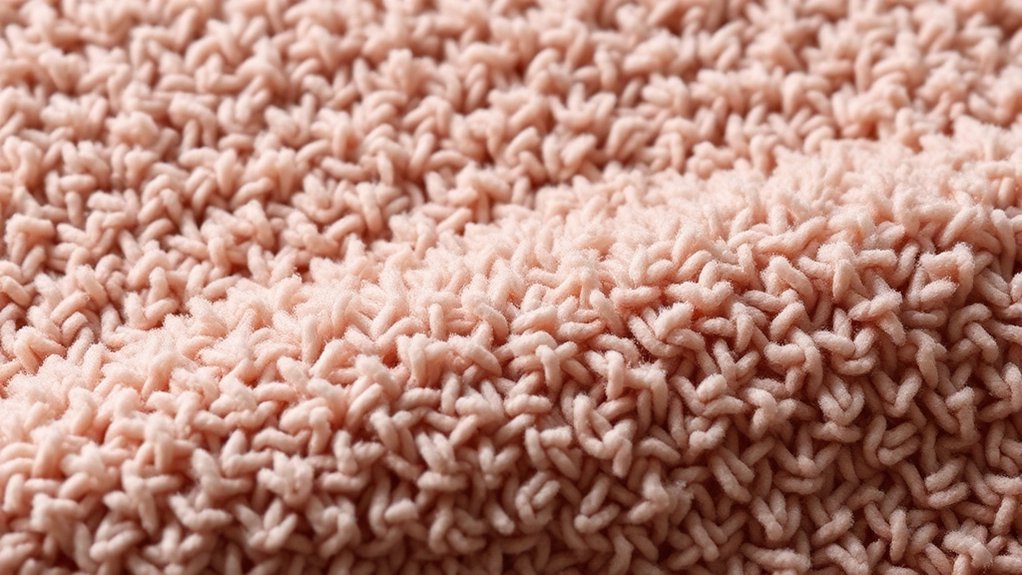
Chenille fabric is a soft, textured material known for its fuzzy pile and raised, tufted surface. You’ll notice it feels plush and cozy because its yarn is made with short fibers wrapped around a core, trapping air for warmth and comfort.
It’s often used for pillows, blankets, rugs, upholstery, and clothing because it adds visual depth and a luxurious look. If you keep going, you’ll uncover how it’s made and why it stands out.
Key Takeaways
- Chenille is a soft, textured fabric with a fuzzy pile and raised, tufted surface. It feels cozy and inviting to the touch.
- It is made from yarns with short fibers wrapped around a core thread, which gives it plushness and structure. This unique construction makes it stand out.
- Chenille has a warm, cushioned feel and a luxurious, light-diffusing appearance. That’s why it’s often chosen for comfort and style.
- You’ll commonly find chenille used for blankets, pillows, rugs, upholstery, and cozy clothing items. It adds a soft touch to any space or outfit.
- Just keep in mind, chenille needs gentle care. It can wear down in high-traffic areas and may fade if left in direct sunlight too long.
What Is Chenille Fabric?
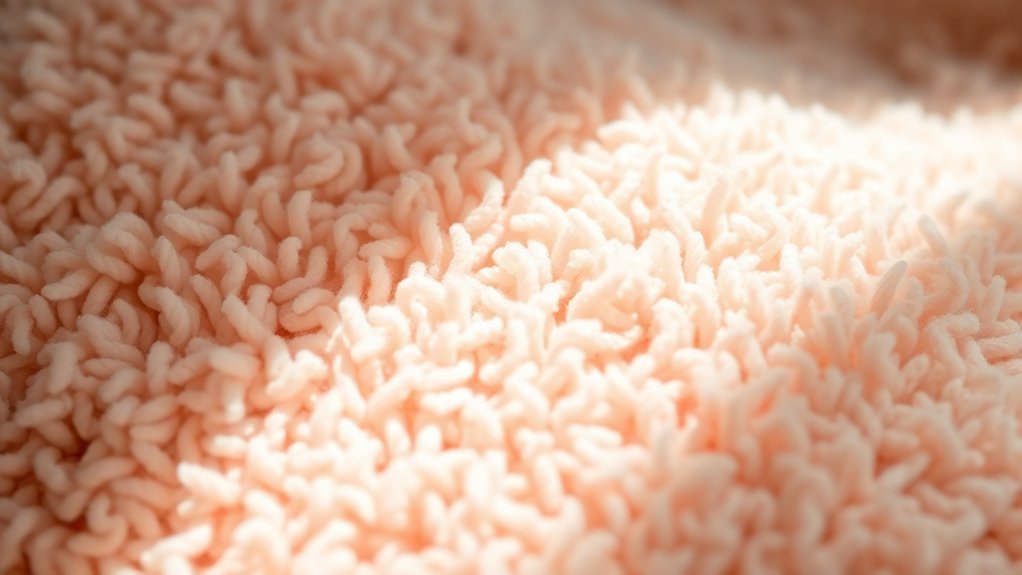
Chenille fabric is a soft, textured textile known for its fuzzy pile and velvety feel. You can recognize it by the raised, tufted surface that adds warmth and visual depth to upholstery, blankets, and garments.
When you touch it, you notice gentle texture differences that make it feel richer than smooth fabrics. You’ll also see color variations that can shift the look from subtle and muted to bold and vibrant, depending on the yarns used.
Chenille often feels plush and cozy, so you may choose it when you want comfort with a decorative finish. Its surface can catch light differently across the nap, giving it a slightly dimensional appearance.
You can use chenille in home décor or fashion when you want a material that combines softness, style, and a distinctive tactile quality.
How Chenille Is Made
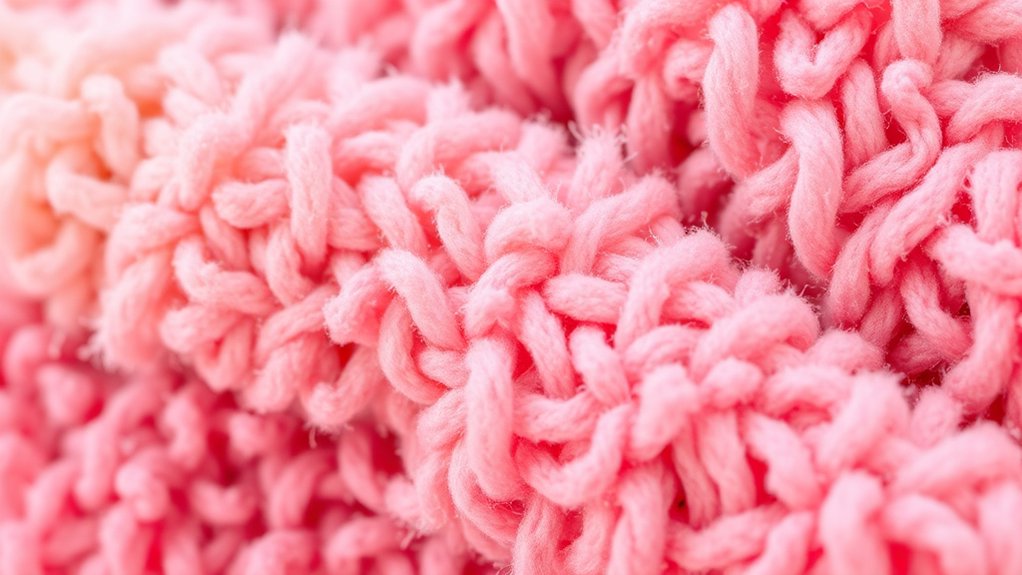
You can trace chenille’s unique feel back to how its yarn is made. Short fibers are wrapped around a core thread, which gives it that special texture. Then, during weaving, these yarns get tufted into the fabric, creating the soft, fuzzy pile you recognize. That whole process is what gives chenille its plush look and that wonderfully textured touch.
Chenille Yarn Construction
To create chenille yarn, manufacturers twist short lengths of fiber between two core threads, then cut the exposed pile so it stands out in a soft, fuzzy halo. You’ll notice that this construction lets you shape different yarn types and create rich texture variations, from plush and velvety to slightly more structured. The core threads hold everything together, while the cut fibers give chenille its signature depth and warmth.
- You get softness because the pile traps air.
- You see visual movement because the fibers reflect light unevenly.
- You choose chenille when you want comfort with a bold surface.
That balance makes chenille feel inviting in upholstery, throws, and clothing, while still offering a distinct look you can recognize at a glance.
Tufted Weaving Process
Under tension, the loom interlaces the backing threads while inserting loops or tufts that will later become chenille’s plush surface. You can watch the pile form as technicians guide the yarn through tufted techniques that lock fuzzy fibers into place.
After weaving, you cut the loops, then brush and twist the strands so they bloom into the fabric’s signature softness. Next, you inspect density, pile height, and evenness to make sure the cloth feels consistent across every section.
This process gives you a durable textile with a velvety hand and subtle sheen. Manufacturers often adjust yarn weight and stitch spacing to match tufted applications, from upholstery to throws and apparel, while preserving the fabric’s warm, textured look.
Why Chenille Feels So Soft

You can really feel chenille’s softness because its yarns form tiny loops that create a plush surface. Those loops build a raised pile texture, which cushions your touch. So, that structure is what gives chenille its cozy, velvety feel.
Looped Yarn Structure
Chenille’s signature softness comes from its looped yarn structure, where short fibers stand out from a central core and create a velvety, fuzzy surface. You feel that gentle touch because the loops trap tiny air pockets and soften contact against your skin.
This looped texture shapes the fabric’s comfort and gives it a plush look without needing extra weight. When you examine the yarn characteristics, you’ll notice each strand bends outward, so the material looks rich and inviting.
- The loops increase softness.
- The surface diffuses light.
- The structure adds warmth.
You’ll also see why chenille drapes smoothly while still feeling cozy. Its construction turns simple yarn into a tactile experience that feels luxurious in everyday use.
Raised Pile Texture
The raised pile gives chenille its signature softness by lifting fibers above the base yarn. So your hand meets a cushioned, velvety surface instead of a flat one. You feel that loft immediately because the yarn ends stand up and trap tiny pockets of air. This adds warmth and a plush touch.
| Feature | Effect | Benefit |
|---|---|---|
| Raised fibers | Softer feel | Comfort |
| Dense pile | Rich texture | Warmth |
| Varying yarns | Texture variations | Style |
This structure also opens up design possibilities. You can use different fiber blends, pile heights, and colors to change the look and feel. When you choose chenille, you’re choosing a fabric that balances tactile luxury with visual depth. It makes every touch feel inviting and refined.
Common Uses for Chenille
Soft and inviting, chenille shows up most often in home décor because it brings warmth, texture, and a cozy feel to a space. You’ll spot it in decorative pillows, cozy blankets, and throw rugs that make rooms feel more lived-in.
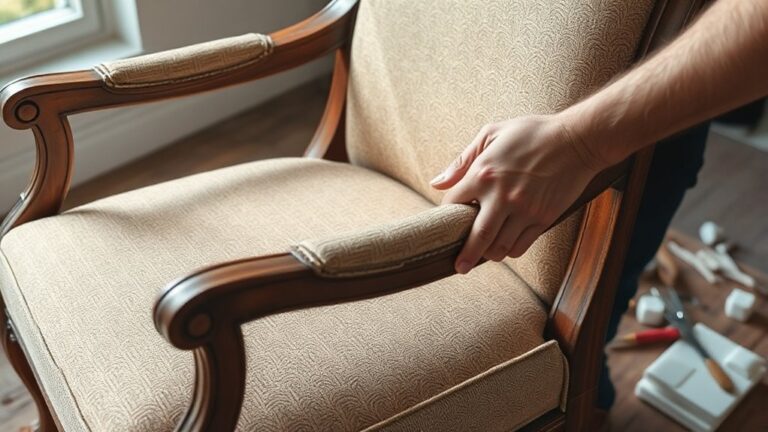
It also works well for upholstery projects, where you want a soft touch with visual depth. Beyond the house, chenille adds charm to fashion accessories and children’s clothing, giving everyday pieces a plush look. You can even find it in pet beds, where comfort matters most.
- Use chenille in home decor when you want softness and style together.
- Choose it for items you touch often, like blankets, pillows, or clothing.
- Pick it for accents that need texture without looking overly formal.
When you use chenille thoughtfully, you create spaces and pieces that feel inviting, practical, and a little more polished.
Chenille Fabric: Pros and Cons
You’ll love chenille for its soft, plush texture—it adds comfort and warmth to any space. That cozy feel makes it a favorite for sofas and cushions. But, on the flip side, you should keep in mind its durability. Chenille can snag or wear out faster than some tougher fabrics. Still, with the right care and a bit of attention, you can keep your chenille looking and feeling great for a long time.
Softness And Texture
Chenille’s plush pile gives it a distinctly velvety feel that makes sofas, throws, and bedding instantly more inviting. You’ll notice its soft texture right away, and it adds a luxurious feel without looking stiff or formal.
The fabric’s raised yarns create a tactile surface that feels gentle against your skin, while its thickness lends cozy warmth in cool rooms.
- You get comfort that encourages longer lounging.
- You add visual depth with a softly napped surface.
- You create a welcoming atmosphere that feels relaxed and refined.
Because chenille drapes easily, it can soften sharp lines in your decor and make a space feel more lived-in. If you want a fabric that prioritizes touch as much as appearance, chenille delivers both with ease.
Durability Concerns
Although chenille feels luxuriously soft, its raised pile can be prone to wear over time, especially in high-traffic areas. You may notice reduced fabric longevity if the yarns flatten or snag, since chenille usually has modest abrasion resistance compared with tighter weaves.
That doesn’t mean it lacks value, but you should expect lower wear resistance in busy rooms and some texture retention changes with regular use. Chenille can also show color fading more quickly under direct light, and its weave can increase stain susceptibility.
These issues can shorten usage lifespan and raise concerns about environmental impact if you replace pieces often. Smart maintenance tips and proper fabric care help, yet the material still needs gentler handling than sturdier upholstery options.
Care And Maintenance
To keep chenille looking its best, brush it gently and vacuum it with a soft attachment to lift dust before it settles into the pile. You should spot-clean spills quickly with a damp cloth and mild detergent, then blot instead of rubbing so the fibers don’t crush. For deeper cleaning, check the care label first; some chenille needs professional treatment. These cleaning tips support fabric longevity and help preserve the fabric’s plush texture.
- Rotate cushions or throws to reduce uneven wear.
- Keep chenille away from direct sunlight to limit fading.
- Use low-heat drying or air-dry methods to avoid shrinkage and pile damage.
With regular attention, you’ll protect both comfort and appearance, and your chenille will stay softer, cleaner, and more inviting for longer.
Chenille vs. Other Upholstery Fabrics
When you compare chenille with other upholstery fabrics, the main tradeoff is usually comfort versus durability. Chenille feels soft, plush, and inviting, while fabrics like leather, microfiber, and tightly woven synthetics often handle stains, wear, and frequent use better.
You’ll notice that chenille characteristics include a textured surface and a cozy hand, which can make a sofa feel more relaxed and welcoming. In fabric comparisons, chenille often stands out for visual depth and a luxurious look, but it may show crushing or snagging sooner than smoother options.
If you want a statement piece for a lower-traffic room, chenille can be a great choice. If you need something for kids, pets, or daily heavy use, you may prefer a tougher weave. Your choice depends on how much softness you want and how hard you expect the furniture to work.
How to Clean Chenille Fabric?
Chenille cleans best when you treat it gently, so start by checking the care label. Then vacuum the fabric with a soft brush attachment to lift loose dirt and dust. Use mild cleaning techniques and test any solution on a hidden spot before applying it more widely.
If you spill something, blot it right away with a clean, dry cloth. Don’t rub, or you may push the mess deeper into the fibers. For stain removal, mix a little gentle soap with cool water, dampen a cloth, and work from the outside of the stain inward.
- Vacuum regularly to keep grit from settling in.
- Blot spills fast to limit spreading.
- Let the fabric air-dry completely before using it again.
After cleaning, brush the nap lightly in one direction to restore its soft look and keep the surface neat.
What Makes Chenille Fabric Durable?
Its durability comes from the way its yarn is made: chenille uses tightly twisted fibers wrapped around a core, which gives the fabric a dense, sturdy structure. You’ll notice this construction helps chenille resist everyday wear while still feeling soft.
The pile stays resilient because the fibers bind closely, so you get strength without harshness.
| Feature | Why It Helps | Your Benefit |
|---|---|---|
| Twisted yarn | Reduces loosening | Lasts longer |
| Dense pile | Supports shape | Holds up well |
| Core wrap | Adds stability | Feels dependable |
When you compare it in texture comparisons, chenille often feels plusher than flat weaves, yet it handles friction better than you might expect. Color variations also look richer because the yarn structure catches light differently, which can hide minor marks and keep the surface looking fresh.
If you want fabric that balances comfort, appearance, and durability, chenille gives you a practical option.
Best Ways to Style Chenille at Home
A few well-chosen chenille pieces can instantly soften a room and make it feel more inviting. You can use decorative cushions to add texture to a sofa, then drape cozy blankets over chairs for a lived-in look. Stylish throws also work well across beds, benches, or reading nooks, especially when you want subtle warmth without visual clutter.
Well-chosen chenille pieces instantly soften a room, adding cozy texture and inviting warmth without visual clutter.
- Mix layered textiles to build depth; pair chenille with linen, cotton, or wool for balance.
- Choose vibrant colors when you want chenille to energize neutral rooms, or stick with muted tones for calm.
- Use accent pieces as modern accents, such as poufs or pillow covers, to refresh your space quickly.
When you rotate chenille with seasonal decor, you keep your home feeling current and comfortable. Keep the arrangement simple and let the soft texture do the work.
How to Choose Quality Chenille Fabric
To choose quality chenille fabric, start by checking the pile: it should feel soft, dense, and even, without thin patches or loose loops. Next, inspect the backing and stitching; strong weave support helps the fabric keep its shape and resist wear.
You should also compare fabric characteristics like weight, drape, and texture, since better chenille usually feels plush but not overly bulky. Look closely at color variations, too, because uneven dyeing can signal poor finishing.
| Check | What to Look For |
|---|---|
| Pile | Soft, full, and consistent |
| Backing | Tight weave with sturdy threads |
| Finish | Even color and smooth feel |
If you can, rub the surface gently to see whether fibers shed easily. Ask about fiber content and cleaning instructions before you buy. When you choose carefully, you’ll get chenille that looks rich, feels comfortable, and lasts longer in everyday use.
Frequently Asked Questions
Is Chenille Fabric Safe for Pets?
Yes, chenille fabric can be safe for pets, but you should check the weave and your pet’s habits. You’ll want to watch for loose loops that claws can snag, since they may affect fabric durability.
For better pet comfort, choose tightly woven chenille and keep nails trimmed. If your pet likes chewing or scratching, you’ll need a tougher option. Regular cleaning also helps it stay pet-friendly and looking good.
Does Chenille Fabric Pill Over Time?
Yes, chenille fabric can pill over time, especially with heavy use, like it’s under a tiny avalanche of wear. You’ll notice fuzz balls when pilling causes include friction, abrasion, and frequent washing.
To slow it down, use gentle care tips: wash on delicate, avoid rough surfaces, and trim pills carefully. If you protect it well, you’ll keep the fabric looking softer and fresher much longer, but it won’t stay perfect forever.
Can Chenille Be Used Outdoors?
Yes, you can use chenille outdoors, but you’ll need to be careful. Chenille durability usually isn’t ideal for constant sun, rain, or heavy moisture, so it’s best in covered spaces.
If you choose it, you should protect it from weather and clean it regularly. Good chenille maintenance helps it last longer, but outdoor use works best for occasional seating, screened porches, or sheltered patios rather than exposed areas.
Is Chenille Fabric Expensive?
Yes, chenille fabric can be pricey, but you’ll find options for many budgets. I once saw a sofa that felt like a warm cloud; that’s how chenille can charm you and why it often costs more than basic weaves.
Premium fibers and plush texture drive the price. When you compare chenille uses and think about chenille care, you’ll see the value often matches the comfort, style, and durability you’re paying for.
Does Chenille Shed Lint When New?
Yes, you’ll usually notice some lint shedding when chenille is new, especially during the first few uses. You can reduce it with gentle vacuuming and careful washing, which helps with chenille care and protects chenille durability.
Don’t rub it aggressively or overload the fabric, since that can worsen fuzz loss. After a little break-in period, most chenille sheds less and settles into a softer, more stable texture you’ll enjoy.
Conclusion
So, you’ve met chenille: the fabric that struts in like a velvet celebrity and then quietly demands your best care. You get the softness, the cozy look, and the smug satisfaction of owning something that feels expensive without shouting about it, well, mostly.
If you choose quality chenille and treat it kindly, it can outlast your impulse buys and keep your home looking polished, not like a thrift-store dare. That’s the charm of chenille fabric—it blends luxury with durability when you give it the attention it deserves.