What Is One Yard of Fabric?
If you’ve ever found yourself confused about how much fabric to buy for a project, you’re not alone. Many people struggle with understanding fabric measurements and end up with too much or too little material. Getting it right can save you time, money, and frustration.
One yard of fabric is a specific length measuring 36 inches, or three feet, usually cut widthwise from rolls that vary in width between 36 to 60 inches. You’ll measure it flat and straight, avoiding wrinkles, to get accurate cuts for your sewing projects.
Knowing this helps you buy just enough fabric, avoid waste, and plan efficiently for your creations. Keep going, and you’ll realize how fabric types and width affect your project choices.
Key Takeaways
- One yard of fabric is a length measuring 36 inches (91.44 cm), commonly used for sewing and crafting projects.
- Fabric is typically sold in widths ranging from 36 to 60 inches, which affects how much fabric you need per yard.
- To measure accurately, lay the fabric flat, follow the grain, and avoid stretching or wrinkles.
- One yard of fabric works well for small projects like cushion covers, tote bags, and basic garment patterns.
- Knowing what one yard means helps you plan fabric purchases efficiently, reducing waste and making sure you have enough material for your projects.
Defining One Yard of Fabric: What It Means
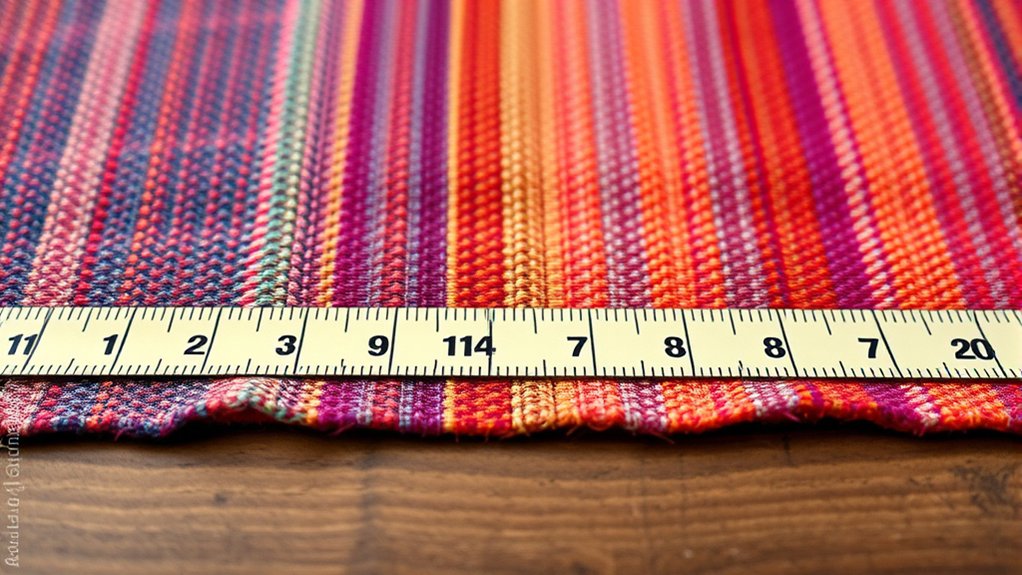
What exactly does one yard of fabric mean? When you hear this term, it refers to a specific length of material, usually 36 inches long, that you’ll use for various sewing projects. Understanding this measurement helps you plan your work efficiently, whether you’re crafting clothes or home décor items.
Knowing how much fabric you need is vital, especially when applying different sewing techniques that require precise amounts. You’ll also want to think about fabric care once your project is complete. Certain fabrics might shrink or change texture after washing, so buying the right amount of fabric upfront ensures you have enough to accommodate any adjustments.
How Is One Yard of Fabric Measured?

When you measure one yard of fabric, you’re basically working with a standard length of 36 inches. It’s pretty straightforward. You’ll often grab tools like measuring tapes or rulers to make sure you get it just right.
And here’s something to keep in mind—fabric width matters too. It can affect how much material you actually have, so don’t overlook that when you’re measuring.
Standard Yard Definition
How do you measure one yard of fabric accurately? A standard yard equals 36 inches or 91.44 centimeters, typically measured along the fabric’s length. When measuring fabric, you’ll want to:
- Lay the fabric flat to avoid wrinkles or folds.
- Use a consistent measuring edge following the fabric grain.
- Mark the start and end points clearly.
- Cut or note the measurement precisely without stretching.
Understanding this is vital, especially if you’re working with fabric dyeing or textile recycling projects. Accurate yard measurements ensure you get the right amount for dye absorption or fabric repurposing.
Keep in mind, the yard is a dependable unit that helps maintain consistency across various textile processes, making your crafting or manufacturing more efficient and sustainable.
Measuring Tools Used
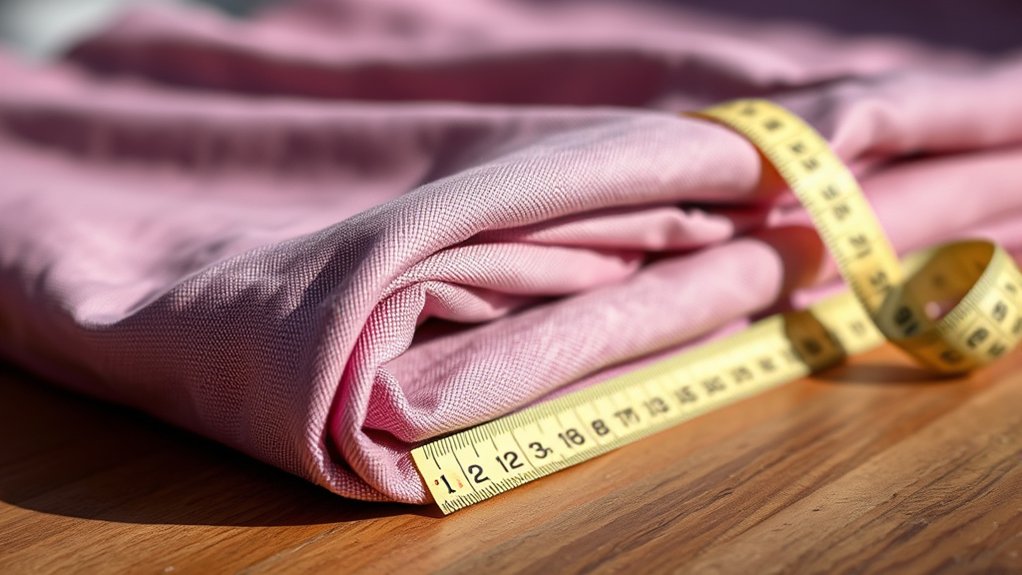
Although measuring one yard of fabric might seem straightforward, using the right tools guarantees accuracy and ease. You’ll want a flexible measuring tape or a clear ruler marked in inches to measure precisely. Lay your fabric flat, smooth out wrinkles, and measure one yard (36 inches) along the fabric’s length.
This precision is vital, especially when working with sewing patterns that demand exact fabric amounts. Using inaccurate measurements can lead to wasted fabric or incorrect cuts, affecting your final project, including how fabric dyes appear on different sections.
Some crafters also use cutting mats with grid lines to assist in measuring and cutting straight edges. By mastering these tools, you guarantee your fabric is measured correctly every time, setting a solid foundation for your sewing projects.
Fabric Width Considerations
Why does fabric width matter when measuring one yard of fabric? When you buy fabric, one yard refers to length, but the width varies based on textile weaving and fabric dyeing processes. This width influences how much usable material you get for your project.
Consider these fabric width factors:
- Standard widths range from 36 to 60 inches, but some specialty fabrics differ.
- Textile weaving techniques influence fabric width and durability.
- Fabric dyeing methods can slightly alter width due to shrinkage.
- Knowing width helps you calculate total fabric area accurately.
Understanding these points ensures you measure fabric correctly and avoid surprises during sewing or crafting. So, when measuring one yard, always ask about the width to get the precise amount of fabric you need.
What Does One Yard of Fabric Look Like?

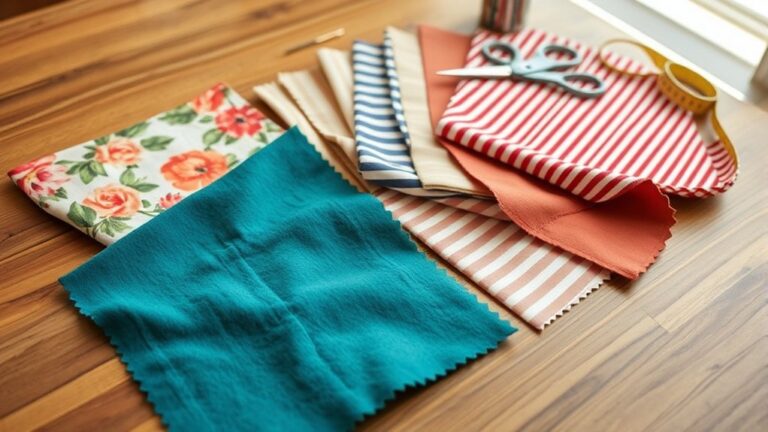
When you picture one yard of fabric, imagine a length that stretches three feet long and typically measures 36 inches wide. This standard size has roots in textile history, where fabric dyeing and production methods influenced how fabric was cut and sold.
Visualize a rectangular piece that’s easy to handle, perfect for small sewing projects or patchwork. Depending on the fabric’s weight and weave, one yard can feel lightweight like cotton or heavier like denim.
You might see vibrant colors or intricate patterns, often a direct result of fabric dyeing techniques passed down through generations. This yard gives you enough material to experiment with design details or practice sewing skills.
Whether it’s cotton, silk, or linen, this yard represents a manageable chunk of cloth, making it easier to estimate how much you need before starting a project. Understanding its size helps you appreciate fabric’s role in history and craft.
Why Knowing One Yard of Fabric Matters for Sewing
Understanding one yard of fabric helps you plan your sewing projects more efficiently and avoid costly mistakes. When you know exactly how much fabric you need, you can buy just the right amount, saving money and reducing waste.
Knowing your fabric yardage ensures efficient planning, saving both money and materials in your sewing projects.
This knowledge also helps you estimate how much fabric dyeing time and materials you’ll require if you want to customize your fabric. Plus, it guarantees your sewing machine maintenance stays on track since working with the right fabric size prevents unnecessary strain on your machine.
Here’s why knowing one yard of fabric matters:
- Accurate fabric purchasing prevents shortages or excess.
- Planning fabric dyeing becomes simpler and more precise.
- Efficient cutting reduces fabric waste and project costs.
- Protects your sewing machine by avoiding overhandling bulky fabric.
How Fabric Width Affects One Yard of Fabric Calculations
When you buy one yard of fabric, the width can vary—usually between 44 and 60 inches. This difference in width actually changes how much usable material you end up with. So, it’s important to know the standard fabric widths before you start your project.
That way, you can plan better and make sure you don’t run short of fabric when you really need it.
Standard Fabric Widths
Because fabric comes in various standard widths, calculating how much you need for a project depends on more than just the yardage. Understanding standard fabric widths helps you plan efficiently. Fabric dyeing and textile manufacturing processes often dictate these dimensions.
Here are common widths you’ll encounter:
- 36 inches – typical for quilting cottons and lightweight fabrics
- 44–45 inches – standard for many apparel fabrics
- 54 inches – common for home décor and upholstery textiles
- 60 inches or wider – used for large projects and specialty fabrics
Knowing these widths is essential because one yard of fabric at 36 inches wide offers less material than one yard at 60 inches wide. This difference impacts your project’s layout and fabric usage.
Impact on Yard Usage
How does fabric width change the way you calculate yardage for your project? When you buy one yard of fabric, the width determines how much usable material you actually get. A wider fabric means you get more surface area in that yard, so you might need less length overall.
Conversely, narrower fabrics require more yardage to cover the same space. This is especially important if you’re working with eco friendly textiles, where minimizing waste matters. Also, fabric dyeing processes often vary with width, affecting how much fabric you should order.
If the dyeing technique causes shrinkage, you’ll want to account for that in your yardage. Understanding fabric width helps you plan efficiently, reduce fabric waste, and stay eco-conscious throughout your sewing or crafting project.
How to Estimate One Yard of Fabric Needed for Projects
Estimating one yard of fabric for your projects requires understanding the dimensions and layout of your pattern pieces. Before cutting, measure each piece carefully and consider seam allowances. Fabric dyes can affect your choice, as some patterns may require extra fabric for color matching or pattern alignment.
Also, your sewing machine’s capabilities might influence how you handle fabric edges and seams, potentially impacting fabric needs.
Here’s how to estimate fabric efficiently:
- Measure each pattern piece, including seam and hem allowances.
- Lay out pieces on the fabric’s width to maximize space.
- Account for fabric direction and pattern repeats, especially with dyed fabrics.
- Add a small margin for mistakes or adjustments during sewing.
Using One Yard of Fabric for Different Projects
What can you create with just one yard of fabric? Surprisingly, plenty. One yard is perfect for small sewing projects like cushion covers, tote bags, or even a simple skirt.
If you’re into fabric dyeing, this amount lets you experiment with colors and patterns without wasting material. You can try tie-dye or shibori techniques, connecting to rich textile history that dates back centuries. Knowing how fabric was traditionally dyed and used can inspire your own projects and give them a unique, authentic feel.
One yard also works well for patchwork quilts or fabric accents in larger pieces. Since one yard typically measures 36 inches in length, it fits nicely with many crafting patterns designed for beginners and experts alike.
Common Fabric Types Sold by the Yard in One Yard Increments
Once you know what you can create with one yard of fabric, it helps to understand the types of fabric you can buy in these convenient increments. Fabric dyeing and textile manufacturing play key roles in producing various fabrics, each suited to different projects.
Here are four common fabric types sold by the yard:
- Cotton is versatile and breathable, perfect for clothing and quilting.
- Linen is known for its durability and cool feel, making it great for summer apparel and home decor.
- Denim is a sturdy fabric often used for jeans and jackets. It undergoes specific dyeing processes to achieve its classic blue shades.
- Silk is luxurious and smooth, ideal for elegant garments and accessories. It benefits from specialized dyeing techniques that enhance its shine.
Understanding these fabrics helps you choose the right one for your project when buying fabric in one-yard increments.
Easy Tips to Buy Just the Right Amount of Fabric
When you’re buying fabric, it’s a good idea to measure carefully so you don’t end up wasting material. You’ll want to think about your project’s specific needs—like the size and style—before deciding how much to get. And don’t forget to factor in any patterns or repeats, since those might mean you need extra fabric.
Measuring Fabric Accurately
Although measuring fabric might seem straightforward, getting an accurate amount requires some careful steps. Fabric dyeing and textile manufacturing can cause slight variations in fabric width, so always double-check before cutting.
To measure fabric accurately, follow these tips:
- Use a clear, flat surface to lay your fabric fully extended.
- Employ a flexible tape measure or a clear ruler for precision.
- Measure twice to avoid mistakes, especially when the fabric has patterns or nap.
- Account for shrinkage by adding extra fabric if dyeing or washing is planned.
Considering Project Requirements
Measuring fabric accurately helps guarantee you get the right amount, but understanding your project’s specific needs guides your purchase. Before buying, consider the sewing techniques you’ll use; some methods require extra fabric for seams, hems, or gathers.
Also, factor in fabric care. Materials needing special washing or handling might shrink or stretch, so add a bit more to your yardage. Think about the garment or item’s size and style, as bulky designs demand more fabric.
If you’re working with delicate fabrics, you might want extra to allow for mistakes or pattern matching. By aligning your fabric amount with your project’s demands and care instructions, you avoid waste and assure smooth crafting. This thoughtful approach saves time, money, and frustration in your sewing journey.
Accounting For Fabric Patterns
How do fabric patterns affect the amount of material you need? When working with patterned fabric, you must consider the repeat size and alignment to guarantee your design flows seamlessly. Ignoring this can lead to buying more fabric than necessary or ending up with mismatched seams.
Here are four tips to help:
- Measure the pattern repeat length before purchasing.
- Add extra fabric for matching stripes, plaids, or prints.
- Account for directional patterns that require consistent orientation.
- Store leftover fabric properly to preserve patterns for future use.
How to Convert One Yard of Fabric to Meters and Feet
When you need to convert one yard of fabric to meters or feet, knowing the exact measurements can make your project easier. One yard equals 36 inches, which converts to approximately 0.9144 meters or 3 feet. This conversion helps when dealing with international sewing patterns or when purchasing fabric from stores using different measurement systems.
If you’re organizing your fabric storage or planning a fabric donation, understanding these conversions ensures you measure and allocate your fabric accurately. For example, if a pattern calls for 2 meters, you’ll know to buy just over 2 yards, avoiding overbuying or running short. Similarly, if you have fabric measured in feet and need to calculate yards, remember that 1 yard equals 3 feet.
Frequently Asked Questions
Can One Yard of Fabric Be Returned if Unused?
You can usually return one yard of fabric if it’s unused, but it depends on the store’s return policy. When you’re dealing with fabric measurement and fabric purchasing, always check the rules beforehand.
Some stores accept returns only if the fabric is in perfect condition and has the original receipt. Others might not accept returns at all due to hygiene and quality reasons. So, make sure to ask before buying to avoid issues.
How Should I Store Leftover Fabric From One Yard?
Think of leftover fabric as a treasure chest holding future creativity. To keep it safe, roll or fold your fabric gently and use clear bins or zip bags for fabric storage.
Label each piece to simplify leftover organization. This way, you’ll find what you need without hassle. Store in a cool, dry place to protect from damage.
Your fabric stays fresh and ready for your next project, inspiring endless possibilities.
Does Fabric Shrink After Washing One Yard?
Yes, fabric can shrink after washing one yard, especially if it’s made from natural fibers like cotton or wool. To avoid surprises, you should follow proper fabric care instructions, like washing in cold water and air-drying.
Pre-washing your fabric before cutting helps with shrinkage prevention, ensuring your final project fits perfectly. Always check the care label, and consider testing a small swatch first to see how much it might shrink.
Are There Discounts for Buying Multiple Yards of Fabric?
You’d think buying fabric in bulk would cost a fortune, but actually, you can score amazing bulk discounts when you buy multiple yards! Many stores offer wholesale fabric prices if you purchase in larger quantities, saving you a bundle.
Can One Yard of Fabric Be Used for Upholstery Projects?
Yes, you can use one yard of fabric for small upholstery projects, but you need to take into account fabric weight and upholstery durability.
Heavier fabrics, like canvas or denim, offer better durability, making them ideal for furniture that gets frequent use. Lighter fabrics may not hold up well and could wear out quickly.
Conclusion
Think of one yard of fabric as your creative canvas, a strip of possibility stretching three feet long, ready to transform your ideas into reality. Understanding its true size helps you cut precisely, avoiding waste and ensuring your project fits just right.
Whether you’re quilting a cozy blanket or sewing a stylish dress, knowing your fabric’s measure is like having a trusty map guiding your hands. With this knowledge, you’re set to craft with confidence and flair, making the most of every yard of fabric.