What Are Woven Fabrics?
Finding the perfect fabric for your next project can be overwhelming, especially when you want something durable, comfortable, and easy to work with. You’re not alone—many people struggle to choose materials that hold up over time without sacrificing style or feel.
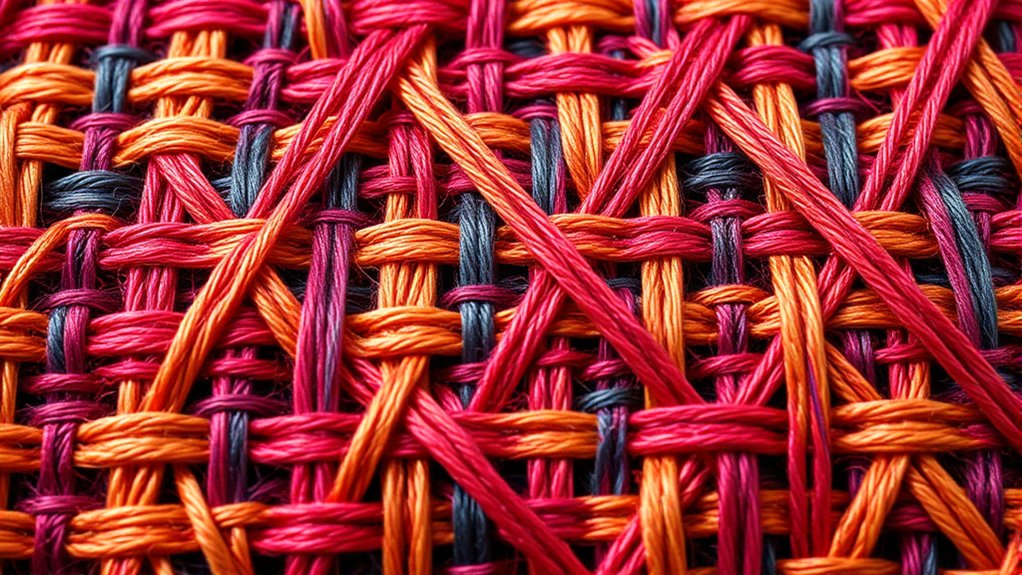
Woven fabrics are textiles you get by interlacing two yarn sets: warp and weft. This crisscross structure gives them a firm feel, clear grain, and good shape retention, though cut edges can fray.
You’ll find woven fabrics in shirts, jeans, drapes, and outdoor gear because they’re durable and sew neatly. Depending on the weave and fiber, they can feel smooth, crisp, textured, or drapey, and there’s plenty more to investigate about them.
Key Takeaways
- Woven fabrics are textiles made by interlacing two yarn sets: warp threads lengthwise and weft threads crosswise. This crisscross structure creates a stable, durable fabric with a clear grain and limited stretch.
- Common weave types include plain weave, twill, and satin. Each one gives the fabric a different texture and drape.
- Woven fabrics are used in clothing, home textiles, and outdoor gear because they hold their shape well.
- They usually fray at cut edges, so proper finishing and care help preserve their strength and appearance.
What Are Woven Fabrics?
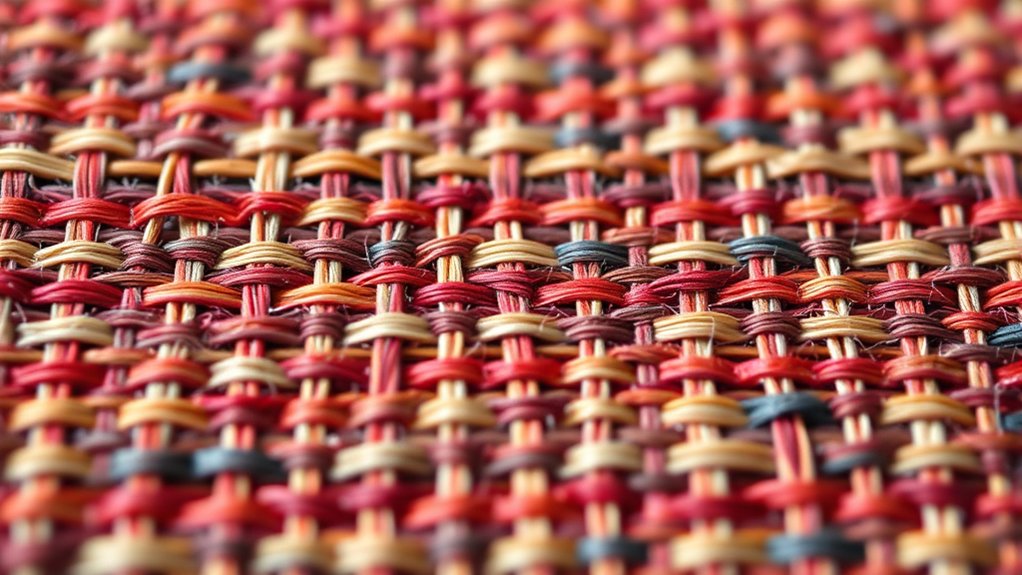
Woven fabrics are textiles made by interlacing two sets of yarns at right angles: the lengthwise warp and the crosswise weft. You recognize them by their stable structure, clear grain, and often crisp hand.
Because the yarns cross over and under each other, you get fabrics that can feel sturdy, smooth, or textured depending on the yarns and pattern. These woven fabric characteristics help you choose the right cloth for shirts, trousers, upholstery, and more.
Woven fabrics can feel sturdy, smooth, or textured, making them easy to match with the right project.
You’ll also notice that woven fabrics hold their shape well and usually fray at cut edges. Designers rely on fabric design techniques like simple plain weave, diagonal twill, and ornate satin to create different looks and performance qualities.
When you compare woven cloth with other textiles, you’ll see it offers dependable structure, versatility, and visual variety. That’s why woven fabrics remain a core material in clothing, home goods, and many technical applications.
How Woven Fabrics Are Made
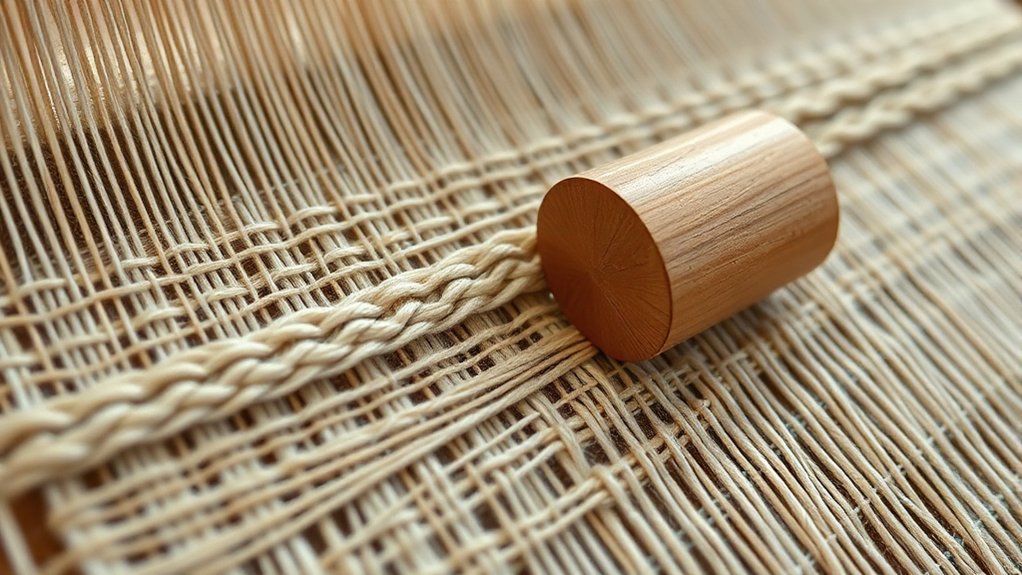
Before weaving starts, you get the yarn ready by spinning, twisting, and winding it so it’s all set for the loom. Once that’s done, you feed the yarn into the weaving process. Here, the threads cross over and under each other to make the fabric. By controlling how the threads cross, you can create woven fabrics with all kinds of different textures, strengths, and finishes.
Yarn Preparation
Yarn preparation starts with choosing the right fibers, then cleaning, carding, combing, and twisting them into continuous strands that can withstand weaving. You then match yarn types to the fabric’s purpose, whether you need softness, strength, or stretch.
Next, you control yarn thickness, because finer yarns create smoother cloth while thicker ones add bulk and durability. You also inspect the yarn for evenness, since irregular spots can weaken the finished textile.
Spinning adjusts twist and consistency, helping you balance performance and appearance. Proper preparation lets you produce yarn that feeds evenly, resists breakage, and supports a clean, reliable fabric structure.
Weaving Process
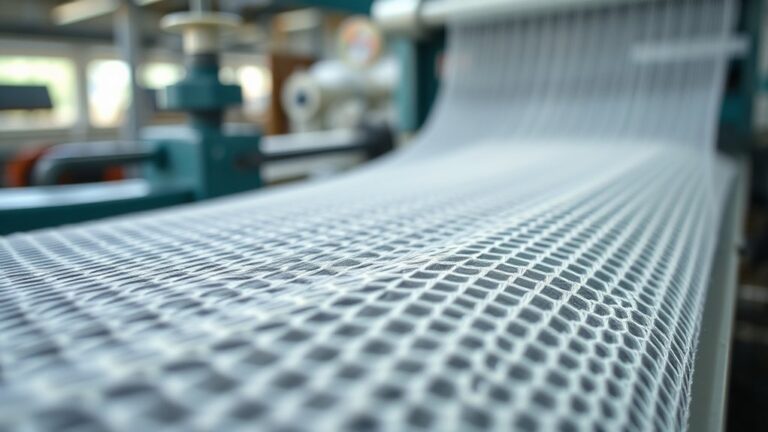
Once the yarn is ready, you move it onto a loom, where the warp threads are held under tension and the weft threads are carried across them to form the fabric. You then choose loom types based on the fabric you want, from simple hand looms to fast industrial machines.
As you weave, you control the pattern by lifting certain warp threads and passing the weft through the opening called the shed. Different weaving techniques, such as plain, twill, and satin, change the fabric’s look, feel, and strength.
You keep the tension even so the cloth stays smooth and balanced. When you finish, you remove the woven cloth, inspect it, and prepare it for finishing.
Woven vs. Knit Fabrics
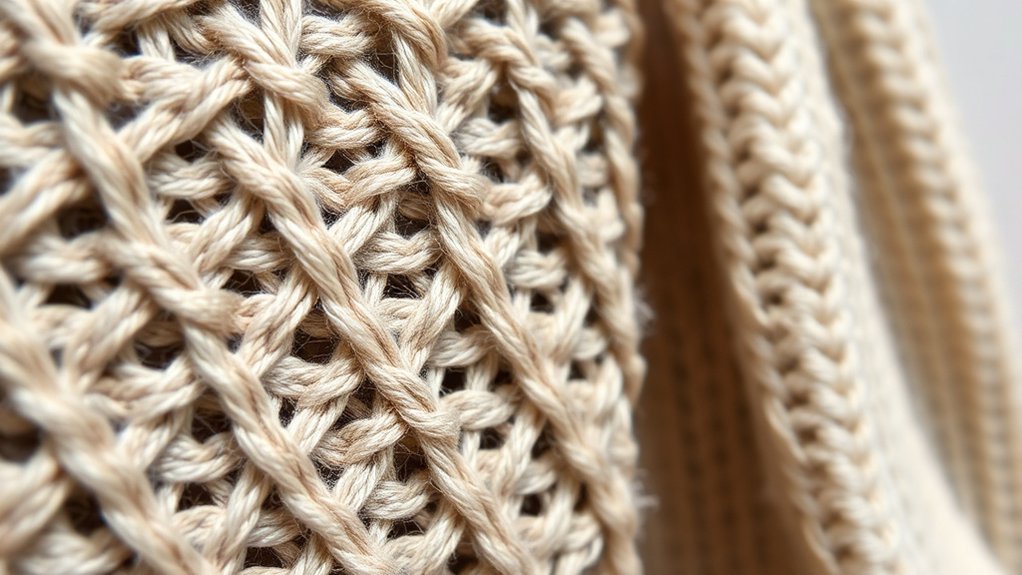
When you look at woven fabric, you’ll notice its tight, crisscrossed structure gives it strength and stability. It’s kind of like a sturdy grid that holds everything in place. On the other hand, knit fabric stretches more easily because it’s made up of loops that add flexibility. So, these key differences really change how each fabric feels, fits, and performs.
Woven Structure
Woven fabrics and knit fabrics differ most in how their fibers are built: woven cloth uses two sets of yarns that interlace at right angles, while knit fabric forms connected loops. You can see this grid-like structure in woven patterns, which helps create stable edges and dependable shape retention.
Because the yarns lock together tightly, you get strong structural integrity that supports crisp drape, clean seams, and a firm hand. Plain weave, twill, and satin each change how the yarns cross, but they still rely on the same interlaced foundation.
That structure gives you consistency across the fabric surface and makes woven cloth easy to cut, sew, and finish with precision in many garments and home textiles.
Knit Flexibility
Knit fabrics move with you because their looped structure stretches more readily than woven cloth. When you wear knit items, you’ll notice they follow your body’s motions instead of resisting them.
That flexibility comes from yarns forming interlocking loops, not tight crosswise threads, so the material can expand and contract with ease. You also get better stretch recovery in many knits, which helps garments spring back after wear.
Because of this movement, knit fabric drape often feels softer and more fluid, especially in tops, dresses, and casual layers. If you want comfort and ease, you’ll usually appreciate how knit fabric adapts while still holding its shape enough for daily use.
Key Differences
Compared side by side, woven and knit fabrics behave very differently because of how they’re made. You’ll notice woven fabric characteristics include a firmer hand, less stretch, and sharper structure, while knit fabrics feel softer and more elastic.
That matters when you choose woven fabric applications for shirts, jackets, upholstery, or bags, because woven cloth holds its shape better and resists distortion.
| Trait | Woven | Knit |
|---|---|---|
| Stretch | Minimal | High |
| Structure | Stable | Flexible |
| Common use | Crisp garments | Casual wear |
When you need durability and clean lines, you’ll usually reach for woven. When comfort and movement matter, knit often wins.
Main Types of Woven Fabrics
There are three main types of woven fabrics: plain weave, twill weave, and satin weave, each offering a distinct balance of strength, texture, and appearance. You’ll notice plain weave feels balanced and stable, so it works well when you need everyday durability.
Plain weave feels balanced and stable, making it a reliable choice for everyday durability.
Twill weave adds a diagonal look that can soften drape while staying sturdy, making it a smart choice for garments and heavier canvas types. Satin weave gives you a smoother surface and a subtle sheen, which can enhance formal pieces and refined home textiles.
When you compare these options, pay attention to fabric weight, textile finishes, and colorfast options, since they affect how the fabric performs and lasts. You may also see woven variations like jacquard patterns, herringbone style, and damask fabric, which build on the same structure but create richer visual effects.
Choosing the right weave helps you match feel, function, and appearance with confidence.
Common Woven Fabric Weaves
Once you understand the main weave families, you can look at the common woven fabric weaves that show up most often in clothing, interiors, and technical textiles. A plain weave gives you a balanced, stable surface that works well for shirts and linings.
When you need strength and drape, you’ll often choose twill. Its diagonal ribs explain many twill advantages, including better flexibility and less obvious wear. If you want luster, a satin finish creates a smooth face with a soft sheen, though it can snag more easily.
You’ll also see jacquard patterns, which build complex motifs directly into the cloth, and a houndstooth design, which uses a bold broken check. For tougher jobs, denim durability and canvas applications show how weave structure affects performance.
As you compare options, pay attention to fabric weight, since it changes feel, coverage, and how each weave behaves in use.
Common Fibers in Woven Fabrics
When you choose woven fabrics, you’ll often start with natural fibers like cotton, wool, linen, and silk. These fibers have been favorites for ages because they feel great and are breathable. But you can also find synthetic options like polyester, nylon, and acrylic. These add strength, durability, and make the fabric easier to care for.
Natural Fiber Types
Natural fibers give woven fabrics much of their comfort, breathability, and character. You’ll notice cotton varieties feel soft and versatile, making them ideal for shirts, bedding, and everyday textiles.
Linen characteristics include crisp texture and strong airflow, so it keeps you cool in warm weather. Silk properties bring a smooth sheen and elegant drape to special garments and home accents.
Wool types add warmth and resilience, helping you stay comfortable in cooler seasons. Hemp benefits include durability and a sturdy hand, while bamboo qualities offer a smooth, breathable feel.
Jute applications often suit rustic décor and heavy-duty use. When you choose natural blends, you can balance softness, strength, and texture for fabrics that perform beautifully and age gracefully over time.
Synthetic Fiber Options
Synthetic fibers add durability, consistency, and easy care to woven fabrics, giving you practical options that often resist wrinkles, shrinking, and everyday wear. You’ll often see polyester blends in shirts, trousers, and upholstery because they boost strength and improve cost efficiency.
Nylon advantages include abrasion resistance and lightweight performance, so you can count on it for activewear and bags. Spandex properties let fabrics stretch and recover, which helps fitted garments move with you.
You may also choose acrylic uses for warm, wool-like textures in blankets and sweaters. Many producers now include recycled fibers to reduce waste, while moisture wicking finishes help you stay drier.
When you compare durability comparisons, these synthetics often outperform delicate naturals.
Why Woven Fabrics Are Durable
Woven fabrics are durable because their interlaced yarns lock together to create a strong, stable structure that resists stretching, tearing, and everyday wear. You benefit from that tight grid because it spreads force across many threads instead of letting one point fail.
Smart construction techniques also support fabric longevity by controlling yarn tension, weave density, and edge stability.
| Factor | Effect |
|---|---|
| Tight weave | Improves resistance |
| Balanced yarns | Reduces distortion |
| Firm finishing | Extends wear |
When you choose a well-made weave, you get material that holds its shape and keeps its surface looking neat longer. The pattern itself limits slippage, so the cloth can handle repeated pulling and abrasion with less damage.
That’s why woven textiles often stay reliable after regular use and careful laundering.
Everyday Uses for Woven Fabrics
You encounter woven fabrics all the time because their strength, shape retention, and clean appearance make them useful in everyday items like shirts, pants, curtains, towels, and upholstery. In your home, you’ll see them in home textiles such as pillow covers, drapes, and table linens that stand up to frequent use.
In fashion apparel, woven shirts, skirts, jeans, and dress pants give you a crisp look and reliable fit. You can also count on them for work uniforms that need to look neat through long shifts.
Woven apparel like shirts, skirts, jeans, and dress pants offers a crisp look, reliable fit, and polished style.
For baby products, woven cottons often handle blankets, crib sheets, and burp cloths. Outside, woven materials support outdoor gear like tents, backpacks, and jackets.
They also show up in athletic wear, decorative items, and crafting projects, where you want fabric that cuts cleanly, holds its shape, and works well for sewing, layering, or simple embellishment.
How to Choose Woven Fabric
When you’re choosing woven fabric, start with how the item will be used and what kind of performance it needs. A shirt, curtain, tote, and upholstery project all call for different fabric types, so match the weave to the job.
Check fabric weight, too: lighter options drape well and feel breathable, while heavier ones offer structure and durability. Feel the cloth if you can, since texture affects comfort and appearance.
Look at the fiber content for stretch, breathability, and strength, and think about how much body or softness you want. If you need crisp lines, choose a firmer weave; if you want flow, pick a softer one.
Color, pattern, and sheen matter as well, but they should support the fabric’s purpose. By comparing fabric types, fabric weight, and feel, you’ll narrow your choices quickly and pick a woven fabric that works beautifully.
How to Care for Woven Fabrics
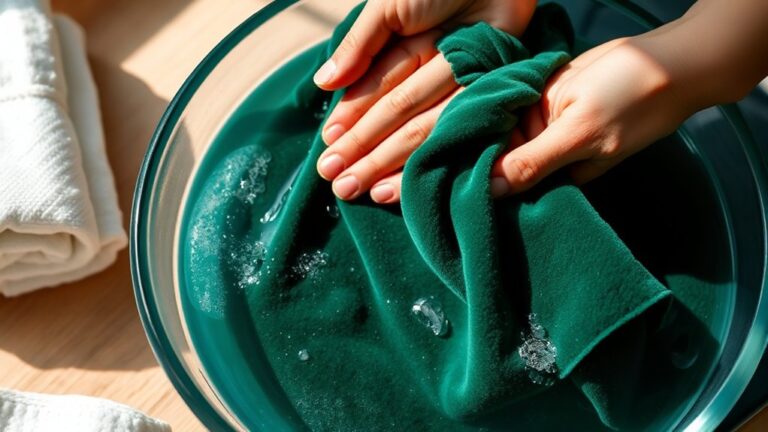
Caring for woven fabrics starts with checking the care label, since different fibers and weaves need different treatment. You should sort items by color and weight, then wash them in cold or lukewarm water to reduce shrinkage and fading. Use a gentle detergent, and skip bleach unless the label allows it.
For delicate woven pieces, turn them inside out and choose a mild cycle or hand wash. These fabric maintenance tips help preserve texture and shape.
Treat common fabric stains quickly by blotting, not rubbing, so you don’t push them deeper into the fibers. Pre-treat the spot with a stain remover or a little detergent before washing.
After cleaning, reshape the fabric and air dry when possible; heat can weaken fibers and set stains. If you iron woven fabrics, use the right temperature and press on the wrong side. Store them in a cool, dry place to prevent wrinkles, mildew, and damage.
Frequently Asked Questions
Can Woven Fabrics Shrink After Washing?
Yes, woven fabrics can shrink after washing, especially if you use hot water or high heat drying. You can reduce that risk with pre-shrink treatment before sewing or buying. Also, you should follow gentle washing techniques to protect the fibers.
Always check the care label, wash in cool water, and air dry when you can. If you handle the fabric carefully, you’ll keep its size, shape, and quality longer.
Are Woven Fabrics Good for Hot Weather?
Yes, you can wear woven fabrics in hot weather if you pick the right ones. You’ll want fabric types with strong breathability factors, like lightweight cotton, linen, or rayon blends. These let air move and help you stay cooler.
Avoid dense weaves and heavy materials, since they trap heat. When you choose looser weaves, you’ll feel more comfortable, even on humid days, without sacrificing style or structure.
Do Woven Fabrics Fray Easily at the Edges?
Yes, woven fabrics can fray at the edges like a loose rope unraveling. You’ll notice more fraying with cut edges, especially on open weaves.
You can reduce it with fraying prevention methods such as hemming, pinking shears, or applying fabric sealant. Good edge finishing helps keep threads in place and makes your project last longer. If you handle the fabric carefully, you’ll slow the wear and keep edges neat.
Can Woven Fabrics Be Stretched for Clothing?
Yes, you can stretch woven fabrics for clothing, but you’ll usually rely on woven elasticity from fiber choice, weave structure, or a small amount of added spandex. You’ll get better garment fit when you cut the fabric on the bias or choose stretch wovens.
Pure woven cloth won’t stretch much on its own, so you should test recovery before sewing and expect less give than knit fabrics.
Are Woven Fabrics More Expensive Than Knit Fabrics?
Usually, you’ll pay more for woven fabrics than knit fabrics, but it depends on the woven fabric types you choose and the woven fabric quality you need. You’ll often spend extra on tighter weaves, durable finishes, and premium fibers.
Knits can cost less because they’re easier to produce and use less labor. Still, you can find budget woven options, so your final price really depends on material, construction, and brand.
Conclusion
Now you know what woven fabrics are, how they’re made, and why they stand the test of time. When you choose a woven fabric, you’re picking strength, structure, and style that can go the distance.
From clothing to home decor, these fabrics fit a wide range of everyday needs. Keep their weave and care in mind, and you’ll make smart choices with confidence.
In the fabric world, woven fabrics really hold their own.