What Are the Types of Fleece Fabric?
Finding the perfect fleece fabric can feel overwhelming, especially when you want something warm, soft, and just right for your needs. You’re not alone—many people struggle to pick the right type that balances comfort and practicality without sacrificing style.
Whether you’re layering up for winter or looking for cozy loungewear, understanding the options can make all the difference.
Fleece fabric comes in several types, and you can choose based on warmth, softness, and weight. Polar fleece gives you strong insulation and breathability, while microfleece feels thinner and works well for layering.
Sherpa fleece adds a plush, wool-like texture, and coral fleece offers extra softness for blankets and loungewear. Anti-pill fleece stays smooth longer, and recycled fleece gives you an eco-friendly option.
French terry feels different, and the right choice depends on what you need.
Key Takeaways
- Polar fleece is a lightweight, warm fabric with tiny air pockets that trap heat and dry quickly.
- Microfleece is a thin, soft fleece ideal for lightweight layering, packing, and comfortable next-to-skin wear.
- Sherpa fleece has a plush, wool-like texture that adds cozy warmth and works well for linings and blankets.
- Coral fleece is velvety and dense, offering extra softness and warmth for robes, blankets, and apparel.
- Specialized fleece types include cotton fleece, anti-pill fleece, and recycled fleece for breathability, durability, and sustainability.
What Is Fleece Fabric?
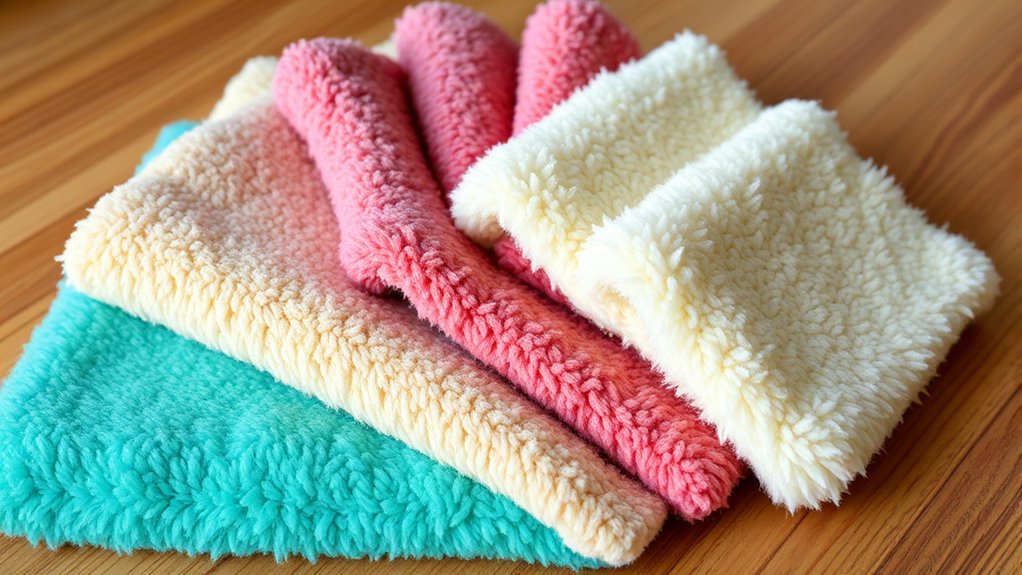
Fleece fabric is a soft, lightweight textile made to trap warmth while still feeling breathable and comfortable. You’ll often choose it when you want a cozy layer that doesn’t feel heavy or stiff.
Soft, lightweight fleece traps warmth while staying breathable, cozy, and comfortable for everyday layering.
Makers usually knit or weave synthetic fibers, then brush the surface to create a fuzzy finish that feels gentle against your skin. In fleece history, manufacturers developed it as a practical alternative to wool, giving you easy-care comfort for everyday wear.
Today, fleece applications range from jackets and hoodies to blankets, hats, and outdoor gear. You can rely on it for casual clothing, athletic layers, and home textiles because it resists fraying and dries quickly.
Different finishes and weights let you match the fabric to your needs, whether you want something plush, stretchy, or more structured. Understanding fleece helps you pick the right version for comfort, function, and style.
Why Polar Fleece Feels So Warm
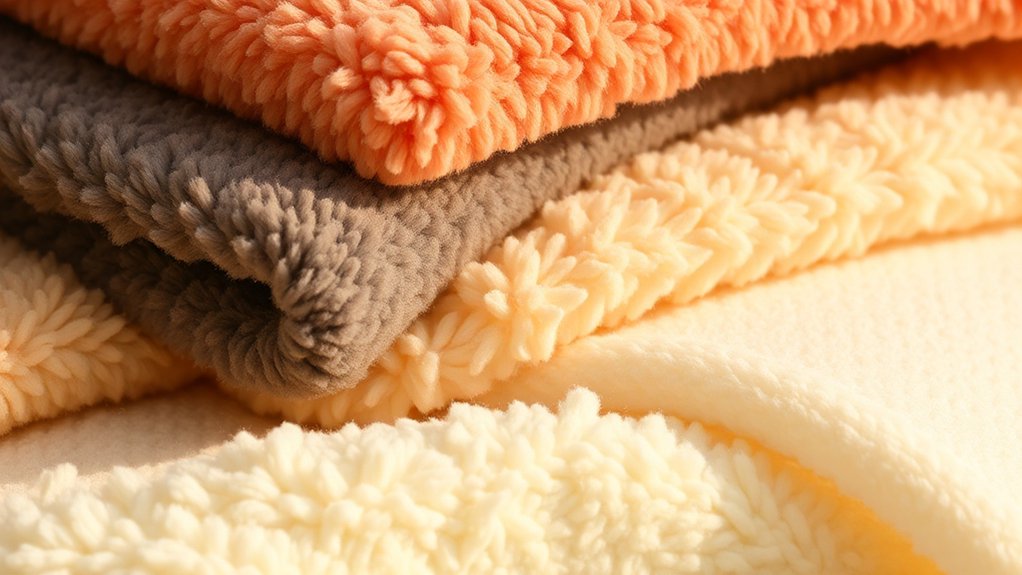
You feel the warmth of polar fleece because its tiny air pockets trap heat close to your body. That trapped air creates a thin heat retention layer, so warmth stays in without weighing you down. It’s like having a cozy little barrier that keeps you warm.
Plus, you get insulation that’s light, soft, and easy to wear. So, you stay comfortable without feeling bulky or heavy. It’s pretty much the perfect combo for staying warm and feeling good.
Tiny Air Pockets
Polar fleece feels so warm because its structure traps thousands of tiny air pockets close to your body. Those pockets slow moving air, so your warmth doesn’t escape quickly.
Because air is a poor conductor, the fabric’s thermal properties improve, and you get effective air insulation without extra weight. You feel comfort because the lofty fibers create space between your skin and the cooler outside air, yet the material still stays soft and breathable.
When you wear it, you’re benefiting from a design that uses volume, not bulk, to help you stay cozy. That’s why polar fleece works well for outdoor layers, loungewear, and blankets when you want warmth with lightness.
Heat Retention Layer
Those tiny air pockets do more than add loft. They create a heat-retention layer that helps keep your body warmth close. You feel the difference because polar fleece traps warmed air against your skin, slowing heat loss when the temperature drops.
Its thermal properties work by limiting how quickly warmth escapes, so you stay comfortable longer without extra bulk. When you wear it, the fabric forms a soft barrier that supports steady heat retention during chilly mornings, windy walks, or layered outfits.
You don’t need to overthink it. The structure simply helps your own warmth stay where you need it. That’s why polar fleece feels so cozy, even when the weather turns cold, damp, or blustery.
Lightweight Insulation
One of the biggest reasons polar fleece feels so warm is its lightweight insulation. It holds plenty of heat without weighing you down. You get cozy warmth because the fabric traps air in tiny pockets, and that helps with thermal regulation when temperatures drop.
For outdoor activities, that means you can move freely without bulky layers slowing you down.
| Feature | Benefit | Result |
|---|---|---|
| Air pockets | Trap heat | Extra warmth |
| Low weight | Less bulk | Easier movement |
| Breathable knit | Manages moisture | Better comfort |
| Soft texture | Feels pleasant | Frequent wear |
| Quick dry | Handles sweat | Practical layering |
You’ll appreciate how fleece balances warmth and comfort, so you stay protected without feeling overheated or restricted.
Microfleece for Lightweight Layers
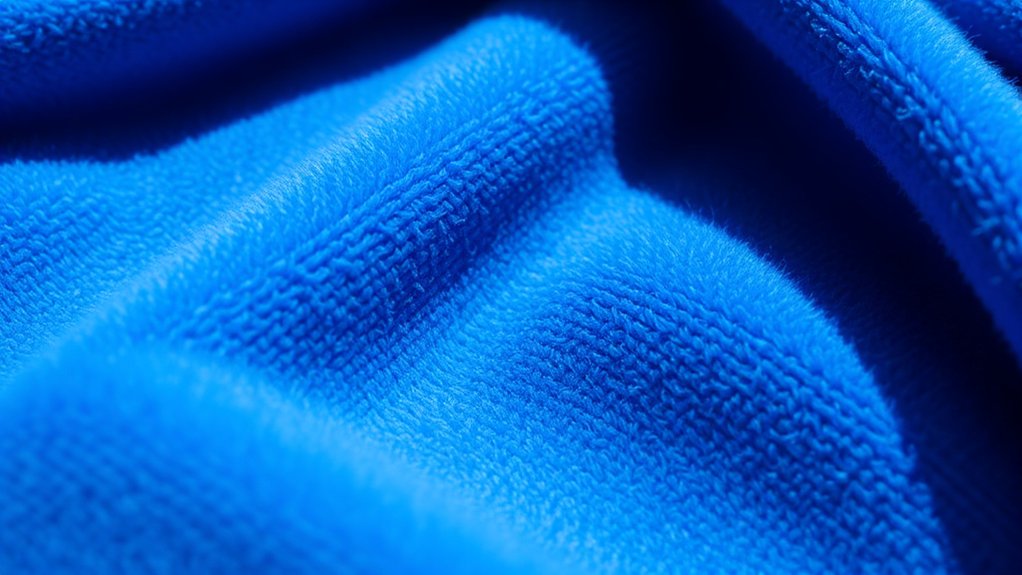
Microfleece is a thin, soft fleece that gives you warmth without much bulk, making it ideal for lightweight layers. You’ll like how it traps heat close to your body while still letting you move freely.
Among the main microfleece advantages are quick drying, easy packing, and a smooth feel against your skin. That makes it a smart pick for hikes, travel, and cool mornings when you need comfort without overheating.
Quick-drying, packable, and soft against the skin, microfleece is a smart choice for hikes and cool mornings.
You can wear it under a shell, over a base layer, or on its own when the weather is mild. Smart layering techniques help you adjust fast: add microfleece when temps drop, then shed it when your activity level rises.
Since it’s breathable, you won’t feel weighed down during long outings. If you want dependable warmth in a slim profile, microfleece gives you a practical, versatile option for everyday layering.
Sherpa Fleece’s Plush Texture
Sherpa fleece feels like a soft, fluffy lining that brings instant coziness to jackets, pullovers, and blankets. You’ll notice its plush pile mimics wool, yet it stays lightweight and easy to wear. These sherpa characteristics make it a smart choice when you want warmth without bulk. Its fuzzy surface traps air, so you get a comfortable barrier against cool weather.
| Feature | Benefit | Best Use |
|---|---|---|
| High pile | Feels cushiony | Linings |
| Airy texture | Adds warmth | Outerwear |
| Soft hand | Feels gentle | Blankets |
You can use sherpa applications in casual layers, home textiles, and cold-weather accessories. It also adds a cozy look that enhances simple designs. Because the fabric holds its loft, you’ll enjoy a welcoming feel each time you put it on or wrap up in it.
Coral Fleece for Extra Softness
Coral fleece gives you a plush, velvety feel that adds extra comfort to blankets, robes, and loungewear. It keeps you warm without feeling heavy, so you can stay cozy without bulk.
To keep it soft, just wash it gently in cold water and avoid using harsh heat when drying. That way, your coral fleece stays as comfy as ever!
Plush Texture Benefits
A plush fleece can feel like a small luxury in everyday use, and coral fleece stands out for its extra-soft, velvety texture. You’ll notice how it adds plush comfort to blankets, robes, and loungewear without feeling stiff or scratchy. Its surface creates a soft, cloudlike touch that makes you want to keep it close.
With good texture durability, coral fleece keeps that inviting feel after repeated use and careful washing.
- Imagine a blanket that feels like a gentle hug on a chilly night.
- Picture a robe that brushes your skin like soft petals.
- Envision throw pillows that invite you to sink in and relax.
Warmth Without Weight
Beyond its plush feel, coral fleece also gives you warmth without the bulk. You can layer it under jackets or wear it solo when you want comfort that won’t weigh you down. Its fine, dense fibers trap air efficiently, so you stay cozy without feeling stuffed.
That balance makes coral fleece ideal for lounging, travel, and cooler evenings. You’ll also appreciate its fleece versatility since it works well for blankets, robes, and apparel alike. Even with repeated use, it holds its shape and softness, supporting fleece durability in everyday pieces.
If you want fabric that feels gentle, looks inviting, and performs across many settings, coral fleece gives you lightweight warmth you can count on.
Gentle Care Tips
To keep coral fleece extra soft, wash it on a gentle cycle with cold water and a mild detergent. Then skip bleach and fabric softeners that can damage the fibers. You’ll protect the plush nap and help the fabric stay cozy longer.
These fleece maintenance tips work best when you turn items inside out before washing. Dry them on low heat or air-dry them flat. Follow these washing instructions, and you’ll reduce pilling while keeping the surface smooth.
- Picture a cloudlike blanket tumbling softly in cool water.
- Imagine a bright hoodie drying beside an open window.
- See the fleece emerging fluffy, warm, and ready for another snug evening.
Cotton Fleece and Breathability
Cotton fleece gives you a softer, more breathable option when you want warmth without feeling overly insulated. You’ll notice its cotton breathability when you wear it in mild weather or layer it under a jacket. The fiber structure lets air move more freely than denser fleeces, so you stay cozy without trapping as much heat.
That also helps with moisture management because the fabric can wick and release dampness better during light activity. If you run errands, lounge at home, or walk on cool mornings, cotton fleece can keep you comfortable without feeling stifling.
You can pair it with tees or long sleeves for easy temperature control, and you won’t need heavy bulk to get that soft, familiar fleece feel. Choose cotton fleece when you want everyday comfort, a gentler touch, and breathability that works with your body.
Anti-Pill Fleece for Everyday Wear
If you want fleece that holds up to regular wear, anti-pill fleece is a smart choice. You’ll notice it keeps its smooth finish after repeated washing, so your favorite hoodie, blanket, or joggers stay neat longer. The anti-pill advantages show up fast: less fuzz, cleaner lines, and a polished look that doesn’t fade after a few outings.
You also get everyday comfort without sacrificing durability, which makes it easy to wear from morning errands to relaxed evenings.
- Picture a soft sweatshirt that still looks fresh after a week of use.
- Imagine a throw blanket that stays sleek on your couch, not fuzzy and worn.
- Think of lounge pants that feel cozy while keeping a tidy appearance.
When you want dependable fleece for daily life, this fabric gives you comfort, easy care, and lasting style without extra effort.
Recycled Fleece and Eco Benefits
Recycled fleece gives you the same cozy feel while making better use of existing materials, which can lower waste and reduce demand for new fibers. You support sustainability practices when you choose it, because manufacturers often turn plastic bottles, textile scraps, or post-consumer waste into soft yarns through controlled recycling processes.
That means you can enjoy warmth while helping conserve energy and resources compared with making fabric from virgin inputs. You’ll also help keep discarded materials out of landfills and reduce reliance on fossil-based feedstocks. Many recycled fleece options still offer good durability, easy care, and light weight, so they fit everyday layers, blankets, and activewear.
If you want a lower-impact fabric choice, check for transparent sourcing and certification details. By selecting recycled fleece, you make a practical decision that aligns comfort with environmental responsibility, without sacrificing the soft touch you expect from fleece.
French Terry vs Fleece: What’s the Difference?
Beyond recycled options, you may also compare fleece with French terry when choosing a fabric for everyday comfort. Fleece feels plush, fluffy, and insulating, so you’ll notice it traps warmth and softens the chill.
Fleece feels plush, fluffy, and insulating, making it ideal for cozy warmth and everyday comfort.
French terry, by contrast, has characteristics like a smooth outer face and looped back, giving you a lighter, more breathable feel. You might reach for fleece fabric uses when you want cozy layers, blankets, or loungewear that wraps you in heat.
French terry works better for sweatshirts, joggers, and casual pieces that move with you without feeling heavy.
- Imagine fleece as a cloud-like lining on a winter jacket.
- Picture French terry as a soft towel-backed sweatshirt on a breezy morning.
- Think of fleece as a snuggly blanket; French terry feels like an easygoing tee.
How to Choose the Right Fleece Fabric
Choosing the right fleece fabric starts with how you want it to feel and perform. If you need warmth without bulk, look at lighter fleece types for layering, activewear, or baby items.
For cozy blankets or jackets, choose a heavier option that traps more heat and feels plush. Pay attention to fabric weight, since it affects drape, insulation, and drying time.
Lightweight fleece works well when you want breathability and easy movement, while midweight balances softness and versatility. Heavyweight fleece gives you maximum comfort for cold weather, but it can feel thick and less flexible.
You should also think about stretch, pill resistance, and care needs. If you sew, test how the fabric cuts and stitches before committing.
Compare fleece types by touch, then match them to your project, climate, and comfort goals. When you align performance with purpose, you’ll get a fleece that looks good and works exactly the way you need.
Frequently Asked Questions
How Should Fleece Garments Be Washed Without Damaging Them?
Wash your fleece garments in cold water on a gentle cycle, and turn them inside out to protect the fabric. Use mild detergent and avoid bleach or fabric softener since they can break down fibers.
For better fleece care, skip high heat and air-dry or tumble dry low. These washing tips help keep fleece soft, fluffy, and durable so you can wear it longer without pilling, shrinking, or fading.
Does Fleece Fabric Shed Fibers During Laundering?
Yes, fleece fabric can shed fibers during laundering, especially when you wash it often or with rough items. You’ll usually notice more lint from lower fleece durability and certain fiber composition blends, like looser polyester knits.
To reduce shedding, you should wash fleece inside out, use cold water, and avoid high heat. You can also skip fabric softener, since it can weaken fibers and increase lint over time.
Can Fleece Be Safely Used for Baby Clothing?
Yes, you can use fleece for baby clothing if you choose carefully. Don’t you want softness that still meets safety standards? You should pick baby-rated fleece, check that it’s free from harmful finishes, and avoid overly thick styles that trap heat.
Fleece can work for sleepers, blankets, and jackets, but you’ll want to watch fabric breathability and layer lightly. Always follow care labels and test for comfort against your baby’s skin.
Is Fleece Suitable for Outdoor Winter Sports Gear?
Yes, fleece can work well for outdoor winter sports gear if you choose the right weight and layer it properly. You’ll get strong insulation properties that help trap warmth, while its moisture management lets sweat move away from your skin.
For high-output activities, you’ll want a breathable fleece that dries fast and layers easily under a shell. It’s not fully windproof though, so you should pair it with protection.
How Long Does Fleece Fabric Typically Last?
Fleece fabric typically lasts 3 to 7 years, and you can stretch that longer with good care. You’ll see better fleece durability when you wash it cold, skip high heat, and avoid rough surfaces.
You should follow simple fleece maintenance tips like air-drying, using mild detergent, and storing it clean and dry. With frequent wear, cheaper fleece pills sooner, while quality fleece keeps its softness and shape much longer.
Conclusion
Choosing the right fleece fabric can feel like picking the right jacket for a windy day. You want warmth, comfort, and the right weight. I once grabbed a heavy sherpa hoodie for a quick jog and ended up overheating, which taught me that fabric matters.
Polar fleece, microfleece, coral fleece, and anti-pill options each serve a different need. When you match the fleece to your activity, you’ll stay cozy, practical, and comfortable all day. Understanding the types of fleece fabric helps you make the best choice for your lifestyle.