10 Types of Silk Fabric You Should Know
Choosing the perfect silk fabric for your project can feel overwhelming. You’re not alone—many people struggle to understand the differences between silk types and how each one affects the final look and feel of a garment.
But knowing which silk works best can make all the difference.
You should know that silk comes in several types, and each one changes the way a garment looks and feels.
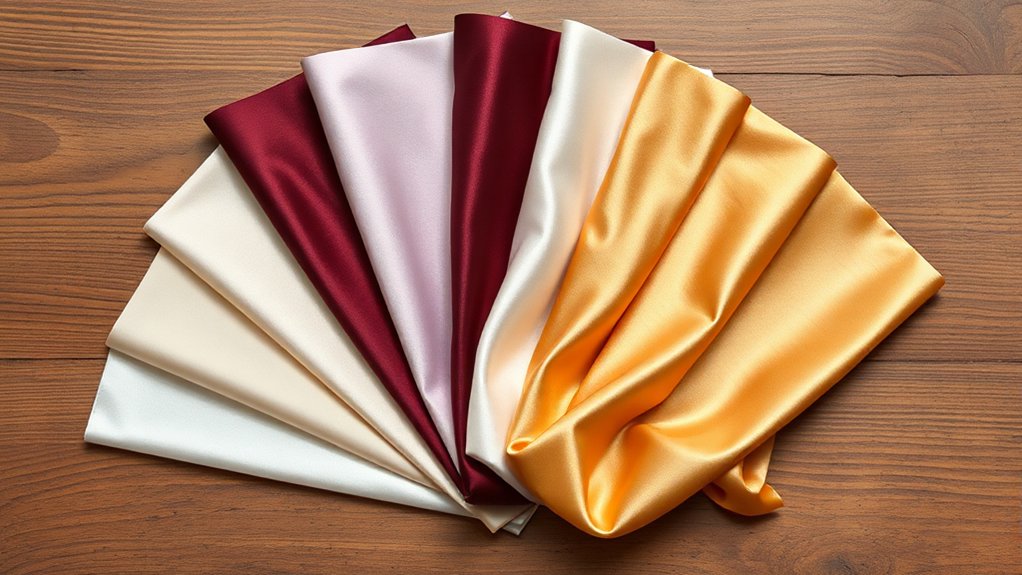
Charmeuse is smooth and shiny, chiffon is light and sheer, satin is lustrous, georgette has subtle grip, organza adds crisp volume, and dupioni brings texture and structure.
You’ll also see mulberry, tussah, taffeta, twill, and plain weave silk, each with its own strengths.
Keep going, and you’ll uncover which silk works best for your project.
Key Takeaways
- Silk varies by weave and finish, affecting shine, drape, texture, and overall garment performance.
- Mulberry, tussah, charmeuse, dupioni, georgette, and organza are widely recognized silk types.
- Charmeuse and mulberry silk feel smooth and luxurious, making them ideal for elegant clothing.
- Dupioni, taffeta, and twill-based silks offer more structure, crispness, and body.
- Proper care, gentle handling, and fabric testing help preserve silk quality and match the right fabric to each project.
What Makes Silk Fabric Unique
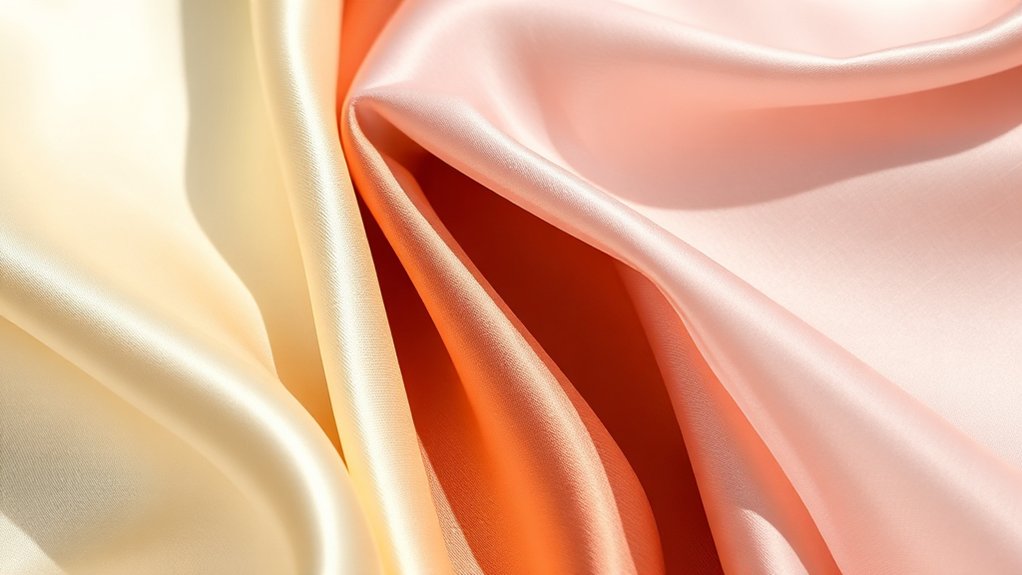
Silk stands out because it combines a smooth, lustrous finish with a natural strength that’s rare in textiles. You notice its soft drape right away, and you feel why it carries such strong luxury appeal.
The fibers reflect light beautifully, so your garments gain depth and elegance without heavy embellishment. Silk also breathes well, helping you stay comfortable in warm or cool conditions.
Silk reflects light with quiet elegance, while its breathability keeps you comfortable in any season.
When you wear it, the fabric moves with you instead of fighting your shape, which adds to its refined look. You can appreciate silk more when you consider sustainable sourcing, since responsible production supports better farming and thoughtful material use.
This balance of beauty, comfort, and durability makes silk different from ordinary fabrics. You get a textile that feels indulgent yet practical, and that combination explains why silk remains a favorite in premium clothing and home décor.
Silk Types at a Glance

When you look at silk types, the first thing you’ll probably notice is the weave. That’s because the weave really shapes how the fabric feels, shines, and drapes. You’ll also come across common varieties like charmeuse, chiffon, satin, and habotai. Each one has its own unique look and use. Knowing these basics makes it easier to compare silk options with more confidence.
Silk Weave Basics
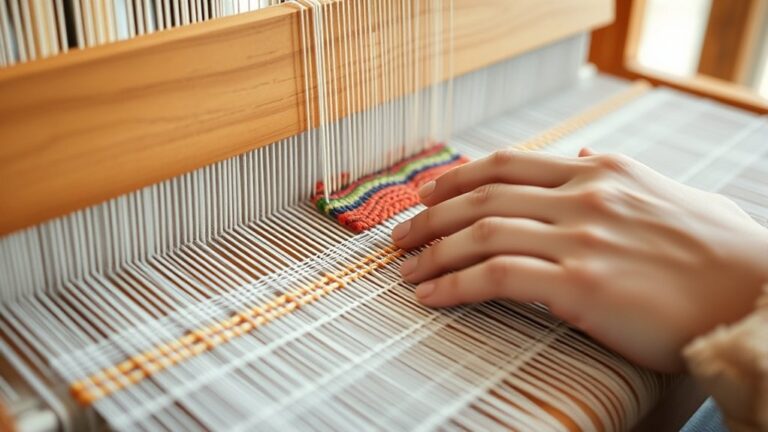
At a glance, silk fabrics differ less by fiber than by how the threads are woven, which shapes their sheen, drape, weight, and texture. When you understand silk production, you can spot how weaving techniques change the fabric’s behavior before it ever reaches your hands.
A plain weave gives you a balanced, stable cloth, while a twill weave adds diagonal texture and a slightly heavier feel. Satin weaves expose more thread surface, so you get a smoother, brighter finish.
Other structures can tighten or loosen the cloth, affecting breathability and structure. You don’t need to memorize every pattern right away; focus on how the weave controls shine, durability, and movement. That’s the key to reading silk confidently.
Common Silk Varieties
Now that you know how weave changes a fabric’s look and feel, you can sort the most common silk varieties by their signature traits. You’ll notice that each type reflects silk history and modern silk production in a different way.
| Variety | Key trait |
|---|---|
| Mulberry | Smooth, fine, and widely used |
| Tussah | Slightly coarse, naturally golden |
| Charmeuse | Lustrous face, soft drape |
| Dupioni | Crisp texture, subtle slub |
Mulberry silk feels the most refined, so you’ll often see it in luxury clothing and bedding. Tussah suits casual pieces when you want a more organic look. Charmeuse gives you shine and fluid movement, while dupioni adds structure for dresses and decor.
When you compare them, think about texture, sheen, and use case first. Then choose the silk that fits your project best.
Silk Charmeuse: Smooth, Shiny, and Elegant
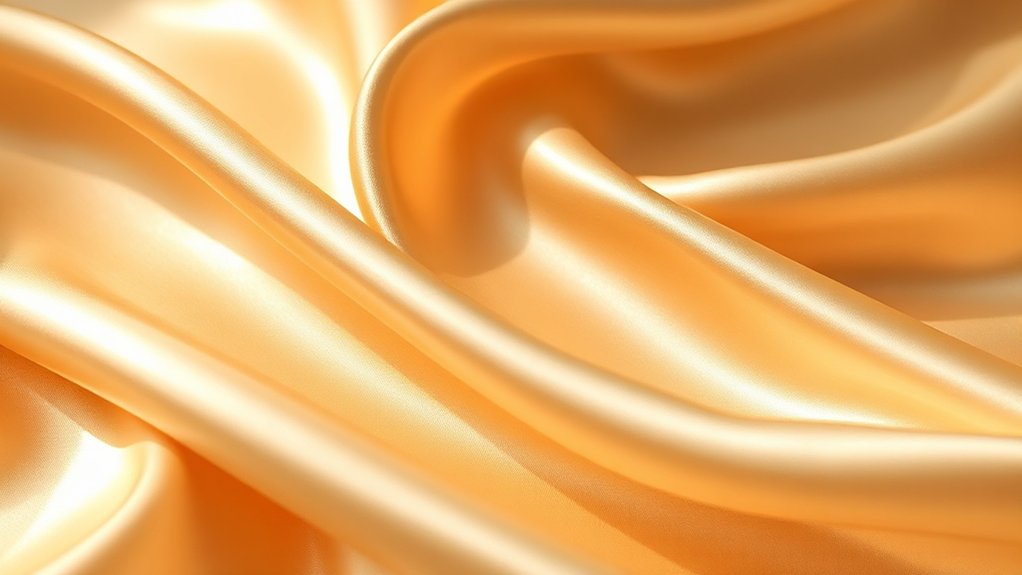
Silk charmeuse glides like liquid over the skin, with a glossy front and a matte back that give it its signature elegant drape. You’ll love how it catches light without feeling stiff, which makes it a favorite for dresses, blouses, lingerie, and scarves.
Silk charmeuse glides with a liquid sheen, draping elegantly while remaining soft, light-catching, and beautifully fluid.
Its smooth surface feels luxurious against your body, while the back side helps the fabric move beautifully and rest softly. When you choose charmeuse, you get a polished look that can enhance both simple and formal designs.
That’s where charmeuse versatility really stands out. You can dress it up for evening wear or use it for refined everyday pieces. For charmeuse care, handle it gently, wash it according to the label, and avoid harsh heat so the sheen stays intact.
If you want fabric that looks elegant and feels indulgent, charmeuse delivers.
Silk Chiffon: Light, Sheer, and Airy
With its airy weave and barely-there feel, chiffon brings a soft, floaty elegance that’s hard to miss. You’ll notice how silk chiffon drapes in delicate layers, letting light pass through for a sheer effect.
Its chiffon characteristics make it ideal when you want movement without bulk, whether you’re choosing scarves, blouses, or overlays. It feels cool and graceful, but it can snag easily, so you’ll want to handle it with care.
| Feature | Benefit | Best Use |
|---|---|---|
| Sheer texture | Adds dimension | Layered looks |
| Lightweight drape | Moves beautifully | Flowing tops |
| Delicate weave | Elegant finish | Special details |
For proper chiffon care, wash gently by hand or use a mesh bag on a delicate cycle. Skip harsh wringing, and dry it flat or hang it away from heat.
If you treat it kindly, chiffon stays beautifully light and fresh.
Silk Satin: Lustrous Fabric for Formalwear
When you want a fabric that catches the light, silk satin delivers a smooth, glossy finish that feels instantly polished. You’ll love how it drapes over your body, giving gowns, evening tops, and special-occasion pieces a refined look with little effort.
Its sleek surface reflects light beautifully, so your outfit stands out without extra embellishment. Because the weave is delicate, you should handle it with care during wear and cleaning.
Good silk care means checking labels, using gentle detergents, and avoiding harsh rubbing or high heat. For fabric maintenance, hang it properly, store it away from rough textures, and press it on a low setting with a cloth barrier if needed.
When you choose silk satin, you get elegance, comfort, and a timeless finish that makes formalwear feel luxurious.
Silk Habotai: Soft Silk for Linings and Blouses
Lightweight and smooth, silk habotai gives you a soft, breathable fabric that works beautifully for linings and blouses. You’ll notice its fine weave, gentle sheen, and fluid feel right away.
These habotai characteristics make it comfortable against your skin and easy to wear under tailored jackets, dresses, and coats. Because it drapes neatly without adding bulk, you can use it when you want a polished finish inside garments or a refined look in simple tops.
Habotai applications also include scarves, camisoles, and delicate sleepwear, where softness matters most. You’ll appreciate that it takes dye well, so rich colors and prints often look vivid on it.
If you need a silk that feels light, looks elegant, and supports clean construction, habotai is a smart choice. It balances luxury and practicality, giving you versatility without sacrificing comfort.
Silk Georgette: Drapey Texture With Subtle Grip
Silk georgette gives you a graceful drape that moves easily and skims the body. You’ll notice its subtle texture and slight grip, which help it hold shape without feeling stiff.
That balance makes it a versatile choice for dresses, blouses, and flowing layers. It’s perfect when you want something that feels light but still keeps its form.
Drapey Drape and Flow
Though it feels airy, silk georgette has a distinctive drape that lets it fall in soft, fluid folds without looking limp. You’ll notice how its silk drape skims the body and creates graceful movement as you walk, turn, or layer it with other pieces.
The fabric flow feels effortless, so your dresses, blouses, and scarves can look polished without seeming heavy or stiff. Because it hangs with natural ease, you can use it for silhouettes that need motion and elegance.
It also works well when you want soft gathers, gentle ripples, or a floaty hemline. When you choose georgette, you’re choosing a silk that adds movement first, then keeps every line refined, light, and beautifully fluid.
Subtle Texture and Grip
Georgette’s surface has a fine, slightly pebbled texture that you can feel as soon as you touch it, giving the fabric subtle grip instead of a slick, slippery hand. You’ll notice this texture helps your dress, blouse, or scarf stay in place while still moving beautifully.
It softens light, adds depth, and makes each fold feel alive. When you choose georgette, you get elegance with a little traction, which can make sewing and styling easier. That practical feel also supports silk sustainability because you’re more likely to wear and cherish it longer.
For fabric care, handle it gently, wash carefully, and avoid rough friction.
- Confident movement
- Effortless elegance
- Gentle security
- Lasting beauty
Silk Organza: Crisp Structure for Volume
With its sheer finish and taut hand, silk organza gives you the crisp structure needed to build volume without heavy weight. You can use it when you want sleeves to stand away from the body, skirts to hold shape, or overlays to add airiness without bulk.
Silk organza offers crisp structure and airy volume, letting silhouettes stand away from the body without added weight.
Its firm drape helps you create sculptural layers that still feel refined and elegant. For many silk organza applications, designers rely on it in bridalwear, evening pieces, and delicate accents that need lift.
You should handle it carefully because its fine yarns snag easily. Good silk organza care means dry cleaning when possible, storing it away from rough seams, and pressing it with a cool iron and a pressing cloth.
When you choose this fabric, you get a polished look that reads light, formal, and controlled.
Silk Dupioni: Textured Silk With Natural Slubs
Silk dupioni brings a crisp feel and a subtle irregular texture that gives garments character. You’ll notice its natural slubs right away, and they’re part of the charm. These dupioni characteristics create depth, so the fabric catches light in a lively, refined way.
When you want structure with personality, dupioni delivers without looking stiff. Its texture benefits make it ideal for pieces that need presence, because the surface adds interest and a handwoven feel.
- You feel instantly polished.
- You see dimension in every fold.
- You enjoy a fabric that stands out.
- You add warmth to formal looks.
Because the weave stays firm, you can shape it into dresses, jackets, and decor accents that hold their form beautifully. If you love fabric with subtle drama, silk dupioni gives you that balance of elegance and texture.
How to Choose the Best Silk Fabric for Your Project
To choose the best silk fabric for your project, start by thinking about how you want the finished piece to look and feel. If you want something smooth and flowing, charmeuse is a great choice for that beautiful drape. On the other hand, if you need more structure, crisp taffeta will do the trick. And for a bit of texture and added depth, textured dupioni is perfect. When you match the fabric to your project’s needs like this, you’ll get better results and avoid any unexpected surprises.
Silk Weave Selection
The right silk weave can make or break your project, since each weave changes the fabric’s sheen, drape, weight, and durability. You’ll notice silk weave variations instantly: charmeuse feels lush, crepe looks softly textured, and organza holds crisp structure.
When you study traditional weaving, you can see how thread count and pattern shape the final result. Choose a tighter weave when you want a smoother finish and more strength. Pick a looser weave if you crave movement and airy elegance.
Feel the thrill of silk that sways beautifully.
Trust a weave that supports your vision.
Avoid disappointment by matching texture to your goals.
Enjoy the confidence of a fabric you love.
Project Fabric Match
Finding the best silk for your project starts with your end use: a flowing dress needs a different fabric than a structured blouse, lined jacket, or delicate scarf. You should match weight, drape, sheen, and durability to the garment or accessory you’re making.
Choose charmeuse for fluid movement, habotai for light layers, dupioni for body, and organza when you want crisp shape. Check how the fabric behaves under light, because some silk colorways show depth and luster better than others.
If you need a specific finish, test swatches before you buy. Smart silk sourcing also matters: confirm fiber content, weave quality, and dye stability so your finished piece looks polished and lasts longer.
Frequently Asked Questions
How Should Silk Fabric Be Stored to Prevent Damage?
Store silk in a cool, dry, dark place to protect it from moisture, sunlight, and pests. You should use breathable cotton bags or acid-free tissue for silk storage, and never seal it in plastic.
Fold it loosely to avoid creases, and keep heavy items off it. Clean pieces before storing them since dirt attracts damage.
Good fabric preservation means checking silk regularly and refolding it occasionally to prevent permanent lines.
Can Silk Fabric Be Washed at Home Safely?
Yes, you can wash some silk fabric at home safely, but you’ve got to move like a careful sailor in a storm. Use cool water, a gentle detergent, and skip wringing. For silk washing, always test a hidden spot first.
Home care works best when you hand wash lightly or choose the delicate cycle only if the label allows it. Air-dry flat, away from sunlight, to protect the sheen.
Which Silk Fabric Wrinkles the Least?
Silk blends usually wrinkle the least, so you’ll want to choose them if you need easier care and better wrinkle resistance. You’ll also find that silk charmeuse and heavier silk weaves hold their shape better than lightweight, airy silks.
If you’re shopping for clothing or bedding, check the fabric content closely. The more silk is blended with other fibers, the more likely it’ll resist creasing and stay smoother longer.
Is Silk Fabric Suitable for Hot Weather Clothing?
Yes, you can wear silk in hot weather, and it often feels like a cool whisper against your skin. You’ll enjoy its breathability benefits, which help air move freely, and its moisture management, which can keep you drier when temperatures climb.
Choose lighter silk weaves for the best comfort. Still, you may want to avoid heavy silk layers since they can trap heat and leave you feeling sticky.
How Can You Tell Real Silk From Synthetic Alternatives?
You can tell real silk from synthetic alternatives by checking the feel, shine, and drape. Real silk characteristics include a soft, smooth touch, a subtle sheen, and a natural temperature change in your hand.
In a synthetic alternatives comparison, fake silk often feels slicker, looks shinier, and wrinkles less naturally. You can also do a burn test carefully: silk smells like hair, while synthetics melt and smell plastic.
Conclusion
Now that you know the main silk fabrics, you can choose the right one with confidence. If you want a dress that skims your body, pick charmeuse or satin. If you need soft drape, try georgette or chiffon.
For structure, organza or dupioni works best. For example, if you’re making a wedding scarf, chiffon gives you that airy, romantic finish. The right silk can transform your project from simple to stunning.
Choosing the right silk fabric is key—it can elevate your design and bring your vision to life.