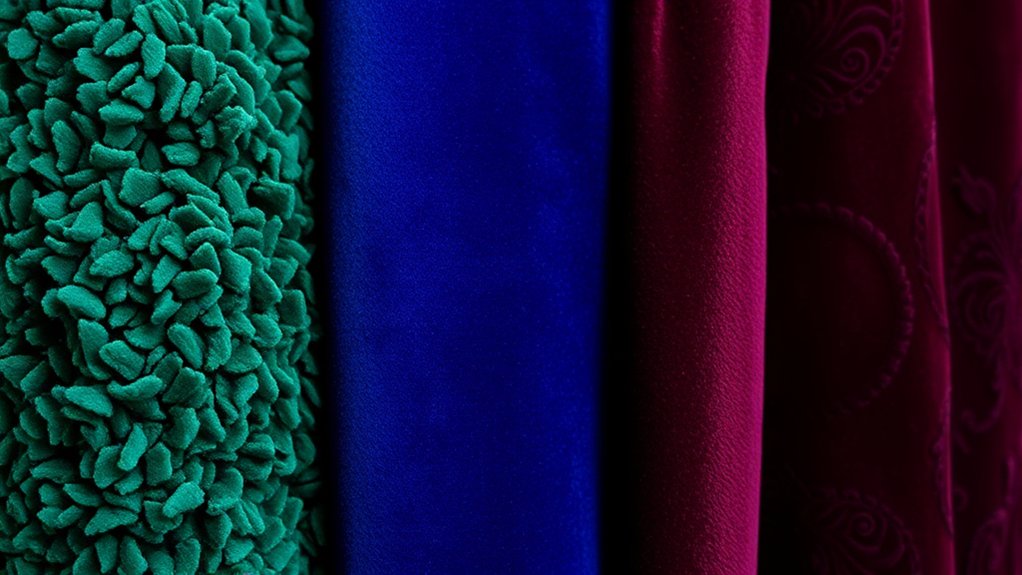
3 Types of Velvet Fabric
Choosing the perfect velvet fabric can feel overwhelming, especially with so many options out there. If you’ve ever struggled to find the right type that balances luxury, durability, and style—you’re not alone. Many people face this challenge when shopping for velvet, whether it’s for fashion, décor, or crafts.
Velvet fabric comes in three main types: silk, cotton, and crushed. If you want the most luxurious feel and elegant drape, silk velvet is a top choice. Types of Velvet Fabric.
Cotton velvet is sturdier, with a softer matte finish that works well for everyday use. Crushed velvet has a textured, reflective look that adds drama and depth.
You should choose the type based on your project, care needs, and desired finish, and there’s more to explore about each one.
Key Takeaways
- Silk velvet is luxurious, soft, and drapes beautifully, with a rich sheen and vivid color.
- Cotton velvet is sturdier, slightly heavier, and has a more matte finish than silk velvet.
- Crushed velvet has an irregular, reflective surface that creates a dramatic, textured look.
- Velvet types differ in luster, feel, and drape, which affects how they look and perform.
- Choose the velvet type based on use, durability, softness, and care needs.
What Is Velvet Fabric?
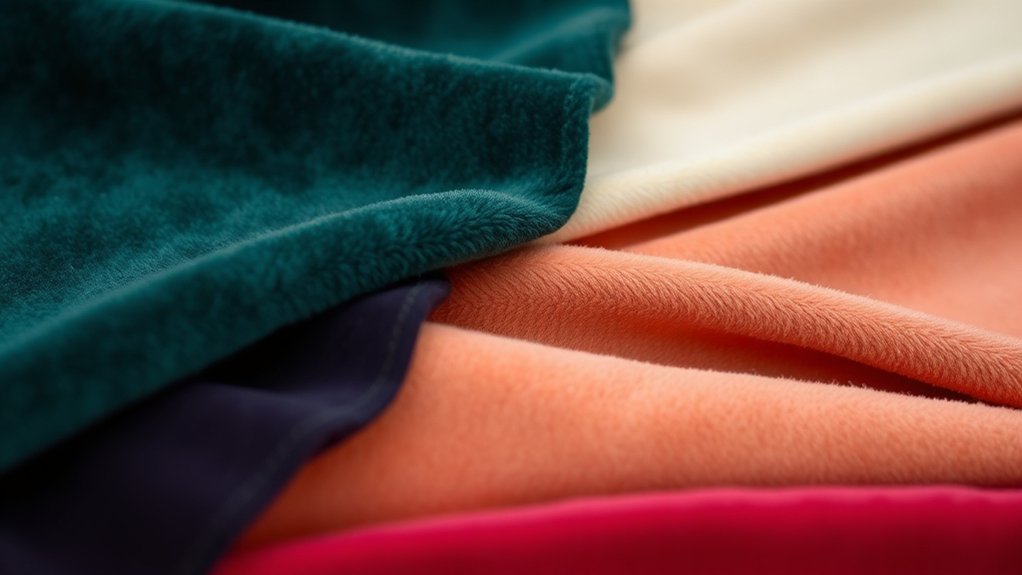
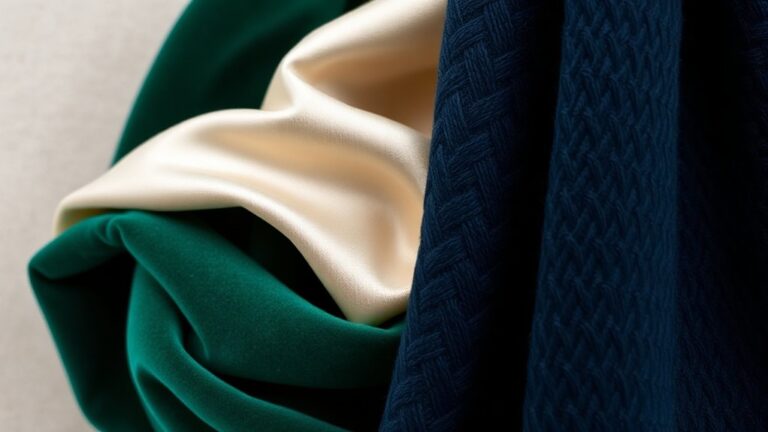
Velvet is a soft, plush fabric known for its rich texture and elegant sheen. You recognize it by its dense pile, which gives it a smooth feel and catches light beautifully.
Velvet is a soft, plush fabric with a rich texture and elegant sheen that beautifully catches the light.
When you touch velvet, you notice how it adds depth and luxury to clothing, upholstery, and decor. Its history overview reaches back centuries. You can trace it through royal garments and elegant interiors that valued its opulent look.
Today, you still choose velvet for pieces that need warmth, style, and a refined finish. Because the pile can crush or mark easily, you should follow care instructions carefully.
You’ll often need gentle handling, careful storage, and cleaning methods that protect the fabric’s surface. If you respect its delicate structure, velvet keeps its beauty and continues to look distinctive in your home or wardrobe.
Types of Velvet: Silk, Cotton, and Crushed
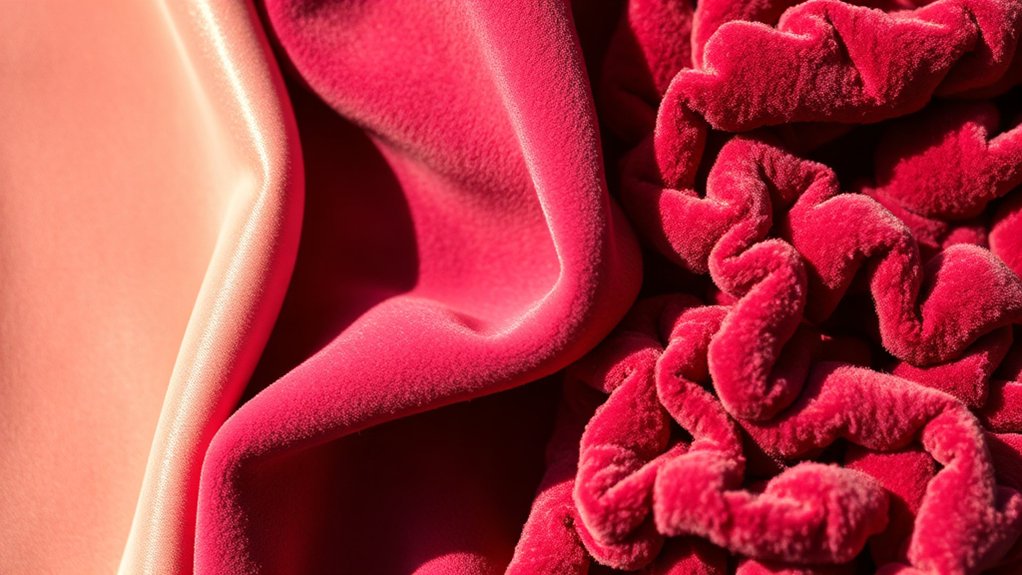
You can find velvet in several forms, but silk, cotton, and crushed are among the most common types. Silk velvet feels luxurious and drapes beautifully, so you’ll notice its soft sheen and fluid movement right away. It highlights rich color and smooth texture, making it ideal when you want elegance.
Cotton velvet gives you a sturdier option with a matte finish and a slightly heavier hand. It shows less shine than silk velvet, but it still delivers classic depth and comfort.
Crushed velvet stands out because makers twist or press the pile, creating an irregular, reflective surface. That texture adds drama and catches light from different angles.
When you compare these fabrics, you’ll see distinct velvet characteristics in luster, feel, and drape. Each type brings a different visual effect, so you can match the fabric to the mood you want.
How to Choose the Best Velvet
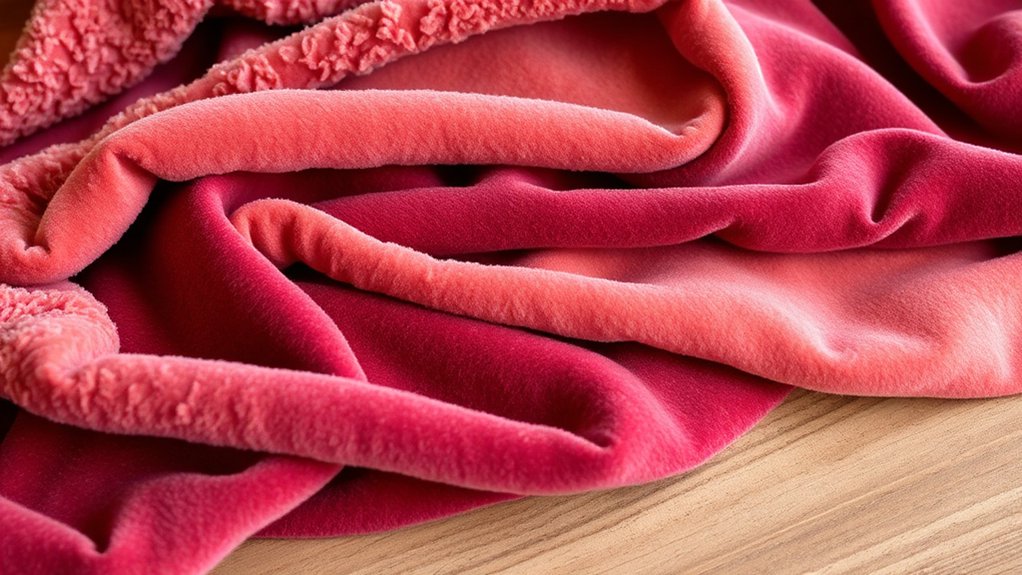
Choosing the best velvet starts with how you plan to use it, because durability, texture, and appearance can vary a lot from one type to another. If you’re upholstering a sofa, you should prioritize considering durability. For curtains or clothing, you can lean more toward softness and drape.
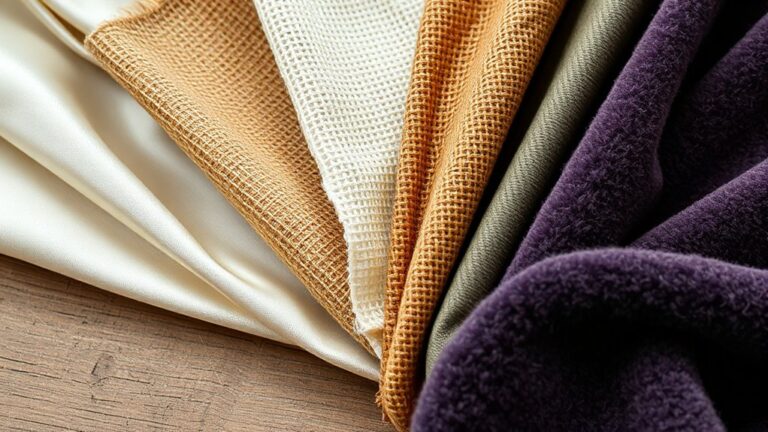
When you’re choosing textures, run your hand across swatches and note how the pile reflects light. Also, check cleaning needs, since some velvets demand delicate care.
| Factor | What to look for |
|---|---|
| Use | Match fabric to the project |
| Feel | Test softness and pile |
| Wear | Check resistance to crushing |
| Care | Review cleaning instructions |
| Look | Compare color depth and sheen |
You’ll get the best result when you balance beauty with function. Choose a velvet that fits your space, lifestyle, and maintenance habits, and you won’t regret the choice.
Frequently Asked Questions
How Should Velvet Be Cleaned Without Damaging the Pile?
You should clean velvet gently to protect the pile. Start with a soft brush or vacuum using a fabric attachment to lift dust, then spot-clean with a damp microfiber cloth and mild soap. Don’t rub; blot instead.
Test any cleaner on a hidden area first. For deeper velvet maintenance, use steam lightly from a distance and let it air-dry completely. These cleaning techniques help preserve texture and prevent crushing the fibers.
Does Velvet Stretch Over Time?
Yes, velvet can gently loosen its grip over time, especially if you wear or use it often. You’ll notice some give depending on the fiber blend, weave, and how much stress it takes.
Velvet durability matters here because sturdier fabrics hold shape better. Velvet elasticity can make slight stretching more likely. If you treat it kindly and avoid overpulling, you’ll help it keep its polished look longer.
Is Velvet Suitable for Upholstery in High-Traffic Areas?
Velvet can work for upholstery in high-traffic areas, but you’ll want to choose carefully. You should compare durability, since performance velvet usually handles wear much better than traditional velvet.
If you need even tougher options, you can look at alternative fabrics like microfiber, leather, or tightly woven synthetics. You’ll get better results by checking abrasion resistance, stain protection, and maintenance before you buy.
Can Velvet Be Ironed Safely?
Yes, you can iron velvet safely, but you’ve got to be careful. For smart velvet care and smooth velvet maintenance, you should never press the iron directly onto the fabric.
Instead, use a steamer or place a thick towel underneath and keep the heat low. If you must iron, hover lightly and test first. That way, you’ll protect the pile, prevent crushing, and keep velvet looking rich and refined.
What Causes Velvet to Appear Crushed or Shiny?
You’ll notice velvet looks crushed or shiny when you press, rub, or fold the pile, which changes how the fibers catch light. Heat, friction, and pressure flatten the nap and create a reflective surface.
That’s why crushed velvet has a textured, glossy look instead of a soft, even finish. If you want to reduce the shine, you should steam it lightly and brush the pile back gently.
Conclusion
Choosing the right velvet comes down to how you want it to feel, look, and wear. Silk velvet gives you a rich, luxurious drape, cotton velvet offers softness and strength, and crushed velvet adds texture and shine.
Think about your project, care needs, and budget before you decide. With the right choice, your fabric can feel as smooth as a whisper and bring your design to life beautifully. Remember, understanding the types of velvet fabric is key to making the best selection for your needs.