Fabric Care Symbols Meaning: A Quick Guide
Struggling to keep your clothes looking fresh and lasting longer? You’re not alone. Many people find fabric care symbols confusing, leading to accidental damage or premature wear. Understanding these symbols can save you time, money, and frustration.
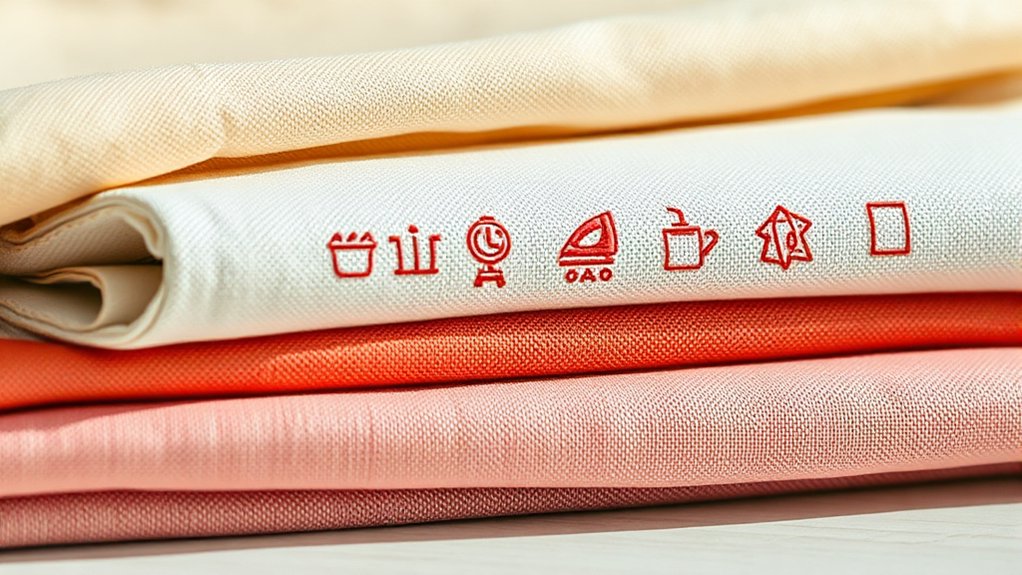
Fabric care symbols tell you how to wash, dry, bleach, iron, and dry clean your clothes without damaging them. You’ll see a tub for washing, a triangle for bleach, a square with a circle for drying, an iron for heat settings, and a circle for dry cleaning.
Lines, dots, and Xs add more detail. If you follow them, you help clothes last longer and fit better. Keep going, and you’ll decode them with ease.
Key Takeaways
- Fabric care symbols tell you how to wash, dry, bleach, iron, and dry-clean garments safely.
- A tub means washing instructions; dots and lines show temperature and cycle gentleness.
- A square with a circle shows tumble-dry settings. An X means do not tumble dry.
- A triangle shows bleach guidance. An X means do not bleach.
- An iron or circle symbol shows ironing or dry-cleaning requirements and allowed heat levels.
What Do Fabric Care Symbols Mean?

Fabric care symbols tell you how to wash, dry, bleach, iron, and dry-clean a garment so you can keep it in good condition. When you read them correctly, you protect fabric durability and avoid shrinking, fading, stretching, and damage.
These small icons act like a care roadmap, showing you the safest way to treat each item based on its fibers, finish, and construction. If you ignore them, you may shorten a garment’s life or ruin its fit and texture. If you follow them, you improve fabric maintenance and help your clothes look better for longer.
You’ll often see symbols for water temperature, drying method, bleach use, ironing heat, and professional cleaning. Each one gives you a practical instruction, not a guess. By learning what fabric care symbols mean, you make smarter laundry choices, save money, and keep your wardrobe in better shape.
How to Read Washing Symbols

Once you know what care labels mean, the wash symbol is the first one to check. It looks like a tub, and the marks inside or below it tell you how to wash the item. Use these laundry tips to protect fabric maintenance and avoid shrinkage or fading.
| Symbol clue | What you do | Why it matters |
|---|---|---|
| Plain tub | Machine wash normally | Safe for standard cycles |
| Number inside | Use that max temperature | Prevents damage |
| Hand in tub | Hand wash only | Keeps delicate fibers intact |
| One line under tub | Use gentle cycle | Reduces agitation |
| Two lines under tub | Use very gentle cycle | Best for fragile fabrics |
Read the symbol from top to bottom, then match it to your washer settings. If you see a crossed-out tub, don’t wash it in water. When you follow the icon exactly, you extend garment life and keep your clothes looking their best.
Decoding Bleaching Symbols
Bleaching symbols use triangle shapes to show what’s safe for your fabric. A plain triangle means you can use bleach. But if you see a triangle with lines or an X, it’s a sign to go for gentler methods or avoid bleach altogether. When you understand these symbols, you’ll be able to protect your clothes and clean them the right way.
Bleach Triangle Symbols
- Empty triangle: bleach allowed
- Triangle with lines: non-chlorine bleach only
- Triangle with X: do not bleach
Always read the symbol before treating stains.
Safe Bleaching Methods
Knowing the bleach symbol on a care label helps you choose the safest way to treat stains. If you see an empty triangle, you can use chlorine bleach when needed, but dilute it exactly as directed.
A triangle with two diagonal lines means you should only use oxygen bleach or color-safe formulas. A crossed-out triangle means skip bleach entirely and protect the fabric from damage. For delicate items, test any solution on a hidden seam first.
You can also try sustainable bleaching by soaking fabrics in sunlight, baking soda, or gentle enzyme cleaners. These alternative whiteners brighten clothes without harsh chemicals. Always rinse thoroughly, avoid mixing bleach with ammonia, and wear gloves when handling stronger products.
Following the symbol keeps your laundry safer and your fabrics lasting longer.
Understanding Drying Symbols
When you check drying symbols, you’ll find out if your item can go in the tumble dryer or if it needs gentler air drying. Tumble dry icons actually show you different heat levels and cycle limits, which is super helpful to avoid shrinkage or damage.
On the other hand, line dry symbols mean you should hang your items up instead. This is great for protecting delicate fabrics and keeping them in good shape. So, paying attention to these symbols can really make a difference!
Tumble Dry Icons
Tumble dry icons tell you whether you can safely use a dryer and, if so, which setting to choose. A plain square with a circle usually means you can tumble dry, while dots inside the circle show heat level. One dot means low heat, two dots mean medium, and three dots mean high.
If the symbol has an X, skip the dryer because the fabric may shrink, fade, or weaken. These icon variations help you protect clothes and avoid damage.
- Circle: dryer allowed
- One dot: low heat
- Two dots: medium heat
- X through symbol: no tumble dry
Line Dry Symbols
Line dry symbols show you how to dry clothes without using heat, which is often gentler on delicate fabrics. When you see a horizontal line, you should lay the item flat to keep its shape.
A vertical line means you can hang it on a line or hanger and let air do the work. If the symbol includes two slanted lines, dry the garment in shade to reduce fading. You’ll protect fibers by avoiding direct sun on bright colors and wool.
Good line drying techniques also help prevent shrinking and save energy. For better results, shake out wrinkles, space items apart, and secure hems. These fabric drying tips make care easier and help your clothes last longer while staying fresh and wearable.
What Ironing Symbols Tell You
Ironing symbols show you whether a garment can safely handle heat, steam, or any ironing at all. You’ll usually see an iron icon with dots inside. One dot means low heat for delicate fabrics, two dots mean medium heat, and three dots mean high heat for sturdier materials.
If the iron has an X through it, don’t iron the item. A crossed-out steam mark tells you to skip steam and use dry heat only. These symbols help you choose the right ironing techniques and steam settings without guessing.
- One dot: low heat
- Two dots: medium heat
- Three dots: high heat
- X over iron: no ironing
Always check the label before you press, especially on blends, prints, and embellishments. Using the wrong temperature can scorch fabric, flatten texture, or leave shiny marks. When you read the symbol correctly, you protect the garment and keep it looking sharp longer.
Dry Cleaning Symbols Made Simple
Dry cleaning symbols tell you whether a garment needs professional cleaning or can handle a gentler home method. You’ll usually see a circle, sometimes with letters that guide dry cleaning methods.
A plain circle means dry clean only. If you spot a letter inside, it helps the cleaner choose the right solvent and process. A crossed-out circle means you shouldn’t dry clean it at all.
| Symbol | Meaning |
|---|---|
| ○ | Dry clean |
| ○ with letter | Use specified method |
| ○ with X | Do not dry clean |
| W | Wet cleaning may be possible |
| P/F | Professional cleaner chooses solvent |
Use fabric cleaning tips on the care label first, then match the symbol before you act. When in doubt, ask a cleaner, because the right choice protects color, shape, and texture.
What Does Hand Wash Only Mean?
When you see the hand wash symbol, it’s telling you to clean the item gently by hand instead of throwing it in the washing machine. You’ll want to use cool water and a mild detergent. Just be sure to use light, gentle motions to protect the fabric.
This simple care step really helps your clothes keep their shape and last longer. So, taking a little extra time to hand wash can make a big difference!
Hand Wash Symbol
The hand wash symbol tells you that this garment needs gentle cleaning by hand, not a machine cycle. You should treat it as a warning for items that can lose shape, color, or texture if you scrub them too hard. When you see this mark, choose hand wash techniques that protect delicate fabrics and minimize stress on seams and fibers.
- Use cool or lukewarm water
- Handle the fabric softly
- Avoid twisting or wringing
- Rinse until the water runs clear
This symbol helps you keep special pieces looking their best. If you ignore it, you may damage the garment faster than necessary. By respecting the label, you extend wear and preserve the original fit.
Gentle Cleaning Steps
To keep a “hand wash only” item in good condition, wash it gently in a basin or sink with cool or lukewarm water and a mild detergent. You’ll protect delicate fabrics by moving them slowly, not scrubbing or wringing.
Use these cleaning techniques to lift dirt without stretching fibers, then rinse until the water runs clear. Press out excess water with a towel, and reshape the garment while it’s damp. Air-dry it flat or on a padded hanger, away from heat and sunlight.
| Step | What you do | Why it helps |
|---|---|---|
| Soak | Briefly swirl item | Loosens soil |
| Wash | Use soft motions | Preserves shape |
| Dry | Lay flat | Reduces damage |
Common Laundry Mistakes to Avoid
Even if you know your fabric care symbols, a few common laundry mistakes can still ruin clothes fast, like ignoring care labels, using too much detergent, overloading the washer, or tossing delicate items into the dryer on high heat. You can avoid most damage by checking laundry temperature before you start because hot water can trigger fabric shrinkage and fading.
Pick detergent selection carefully too. The wrong formula can leave residue or weaken fibers. Match each load to the right wash cycle so garments move freely and clean evenly.
Don’t guess when a symbol looks unfamiliar. Pause and verify it first. Small habits make a big difference, especially when you sort clothes by color, weight, and soil level.
- Use cold or warm water when the label allows.
- Measure detergent instead of pouring extra.
- Leave space in the drum for movement.
- Air-dry items that shouldn’t face heat.
Care Symbols for Cotton, Wool, Silk, and Synthetics
Once you’ve avoided the common laundry mistakes, the next step is reading how different fabrics should be treated. For cotton care, you’ll usually see a wash tub symbol, which means the fabric can handle regular machine washing. A higher number inside the tub means warmer water, while a hand or crossed-out tub means you should skip machine washing.
For wool washing, look for the tub with a hand or a wool-marked cycle. That tells you to use gentle agitation, cool water, and mild detergent so the fibers don’t shrink or felt.
Silk handling often calls for the handwash symbol or a dry-clean icon. Treat silk gently, avoid twisting it, and use cool water if you wash it yourself.
Synthetic maintenance often shows the same wash tub, but with lower temperatures. These fabrics usually dry quickly, resist wrinkles, and need less heat, so following the symbol helps them keep their shape and finish.
Quick Reference for Fabric Care Symbols
A quick-glance cheat sheet can save you from laundry guesswork: the wash tub tells you how to clean, the triangle shows whether bleach is safe, the square with a circle means tumble dry, the iron icon indicates heat level, and the circle points to dry cleaning. When you scan labels, you’ll make smarter fabric care choices and avoid costly mistakes.
Use these laundry tips: match the symbol to your washer setting, check for dots or lines that limit temperature, and skip bleach when the triangle has an X.
- Wash tub: choose machine wash, hand wash, or no wash
- Triangle: use bleach only if allowed
- Square with circle: dry on low, medium, or high
- Iron/circle: set heat or leave the item to a pro
Keep this reference handy, and you’ll treat clothes right every time.
Frequently Asked Questions
How Can I Tell if a Fabric Is Machine Washable?
You can tell if a fabric is machine washable by checking the care label for a tub symbol or the words “machine wash.” You’ll also want to notice the fabric types, since cotton, polyester, and many blends usually handle machines well, while wool and silk often need extra care.
Follow the listed washing temperatures, too, because hot water can shrink or damage some fabrics, even if they’re machine washable.
Do Care Symbols Vary by Country or Region?
Yes, care symbols can vary by country or region, so you’ll sometimes feel like you’re reading different dialects of the same message. You should look for international standards, but expect regional variations in symbol design, wording, or sequence.
That means you can’t assume one label works everywhere. When you travel or buy imported clothes, check the tag closely, because a familiar icon might carry a slightly different instruction.
What Should I Do if a Care Label Is Missing?
If a care label’s missing, you’ll need to identify the fabric first and choose the safest wash method. Use fabric identification tips like checking texture, stretch, weight, and burn tests only if you’re confident.
Then try alternative cleaning methods such as hand washing in cool water, spot cleaning, or using a gentle cycle. When in doubt, air dry and avoid heat, bleach, or harsh detergents until you’re sure.
Can Fabric Care Symbols Change After Repeated Washing?
Yes, fabric care symbols don’t usually change, but repeated washing can make them fade or become unreadable. About 60% of clothing damage comes from washing mistakes, so you should check labels often. This is especially important as fabric deterioration increases with washing frequency.
If a symbol looks worn away, you can’t trust it, so follow the gentlest care method for that fabric. You’ll protect color, shape, and texture longer that way.
Are Care Symbols the Same for Blended Fabrics?
No, you can’t assume care symbols stay the same for blended fabrics. You should check the label because blended fabric characteristics can change how the garment reacts to heat, agitation, and drying.
Manufacturers often set washing recommendations based on the most delicate fiber in the mix. So if cotton is blended with polyester or wool, you’ll follow the safest symbol to protect the item and keep it looking good.
Conclusion
You’ve seen the tiny symbols that can save your favorite clothes, and now they’re no longer a mystery. A crossed-out tub warns you to stay out of hot water, while a simple iron invites a careful press.
One label can mean either gentle care or costly damage. When you read fabric symbols correctly, you protect color, shape, and texture.
Understanding these signs makes laundry feel less like guesswork and more like control. That’s the power of knowing fabric care symbols.